In reaction to the Industrial Revolution, social theorists such as William Morris articulated a philosophy that embraced handcraftsmanship, honesty of materials, and the dignity of labor. As industrialization and mass production reshaped society, they produced both alienated factory workers and a growing middle class seeking meaning, quality, and authenticity in the built environment.
These ideas found wide expression in the Arts and Crafts movement through artisan entrepreneurs and publishers such as Elbert Hubbard and Gustav Stickley. Through influential publications including The Craftsman magazine, they promoted well-designed, handcrafted furnishings and architecture, helping establish what is now widely recognized as the Arts and Crafts bungalow and Craftsman-style home.
Craftsman Mouldings and Interior Millwork
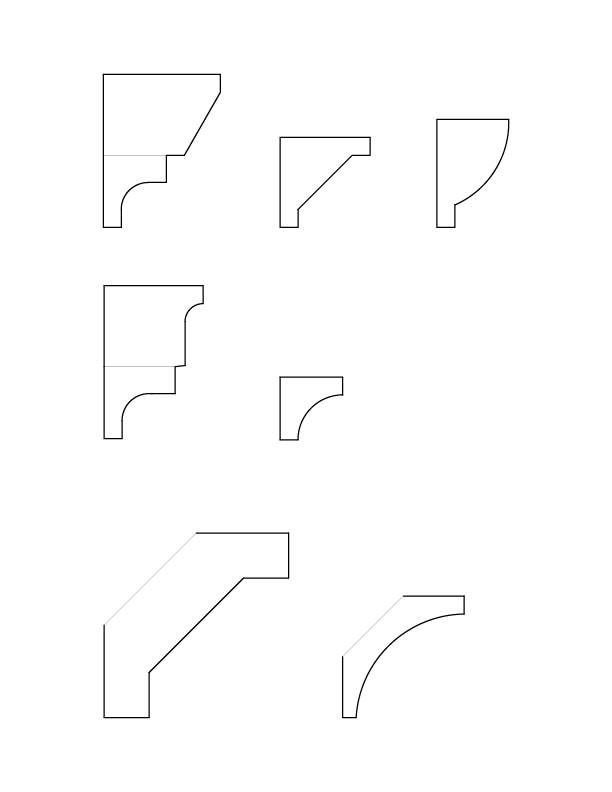
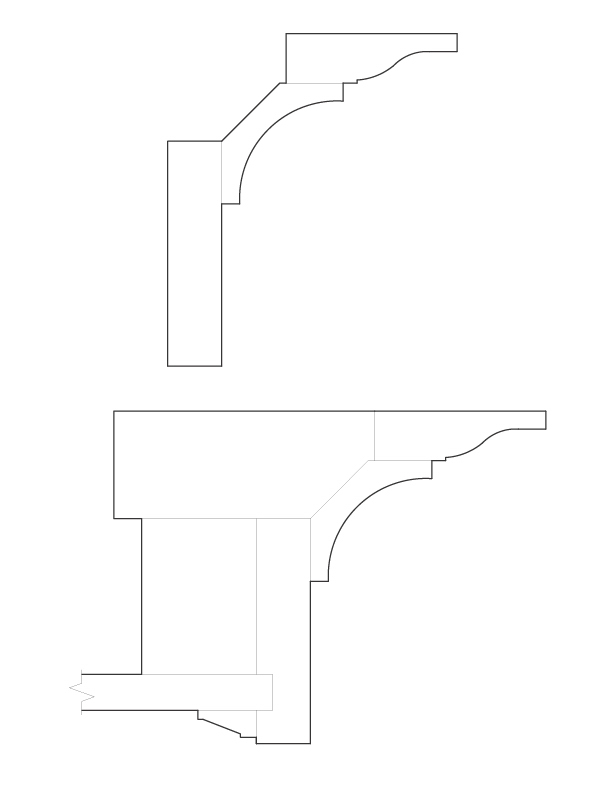
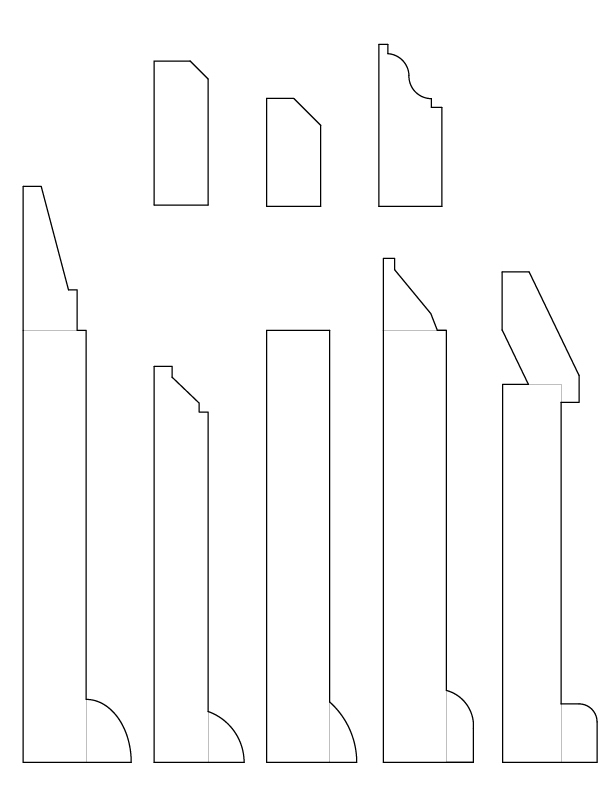
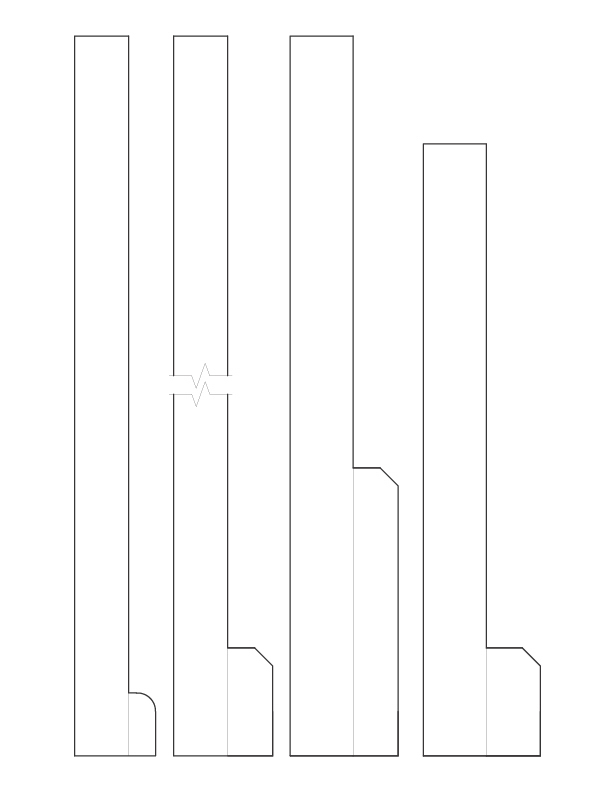
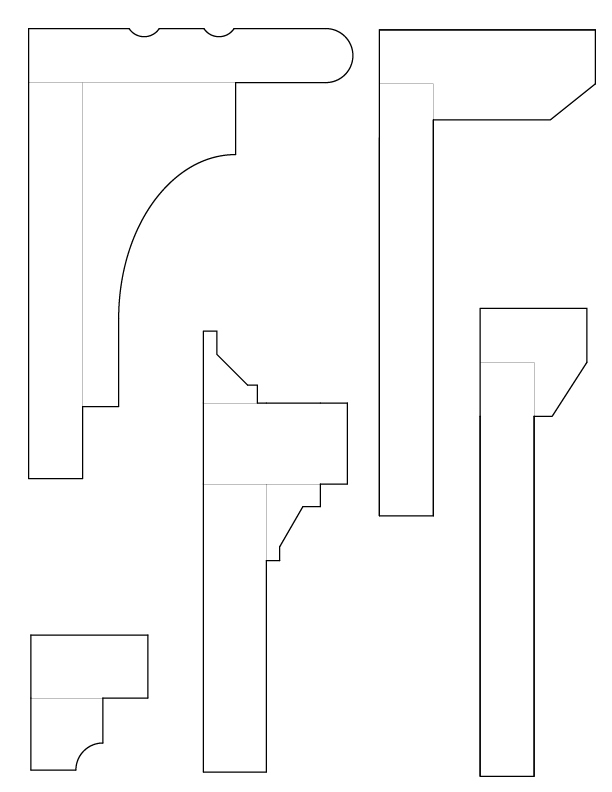
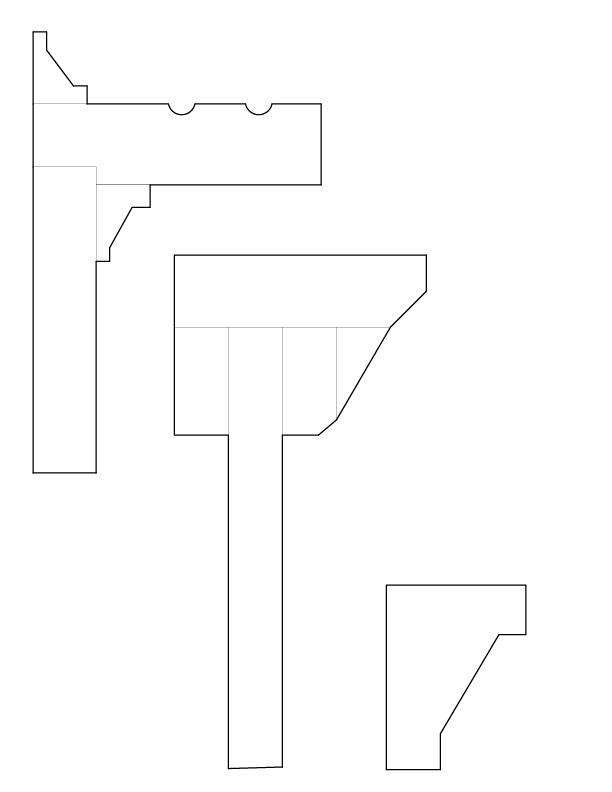
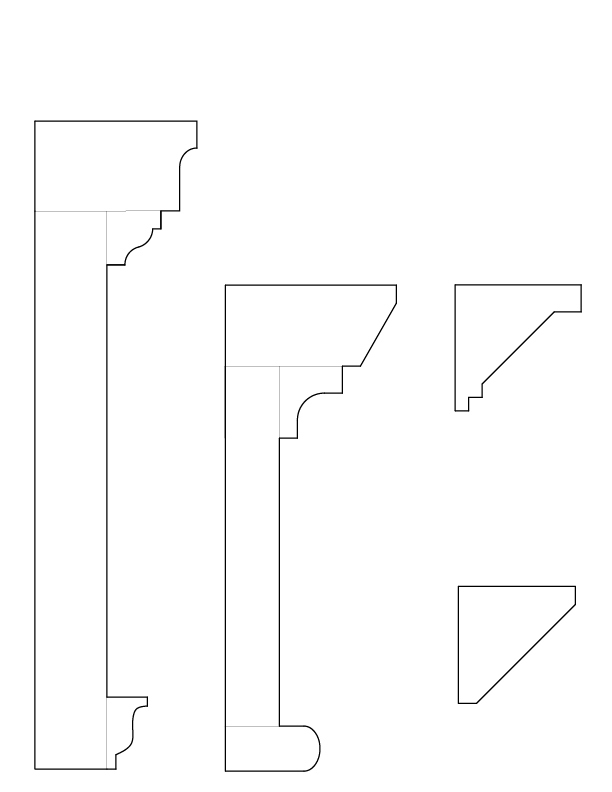
The Craftsman style became associated with simple forms, exposed structure, and a rejection of classical ornament in favor of details that could be made by the skilled hand. Mouldings were typically restrained and functional, emphasizing flat planes, square edges, and carefully proportioned profiles rather than applied decoration.
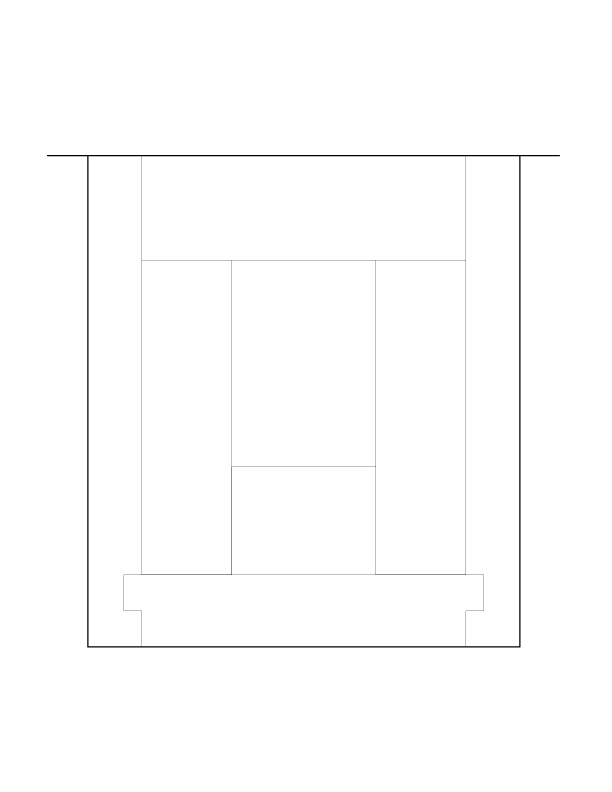
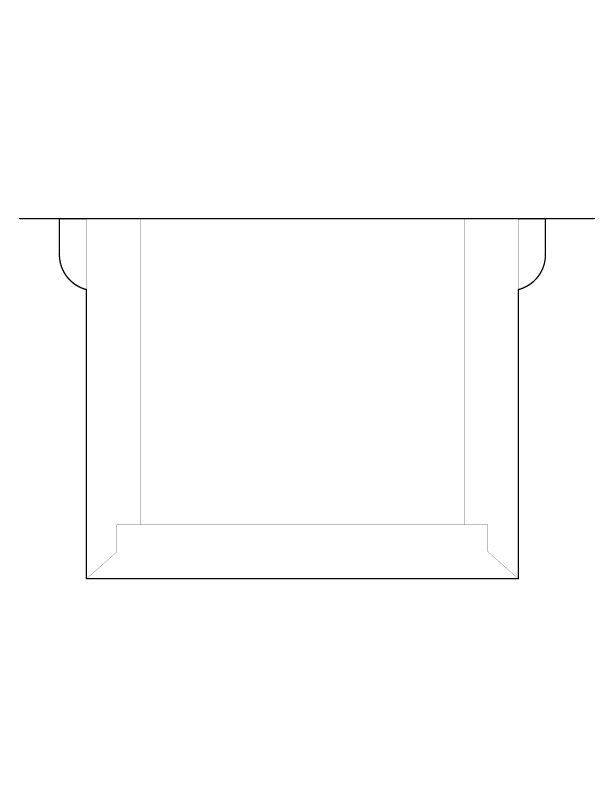
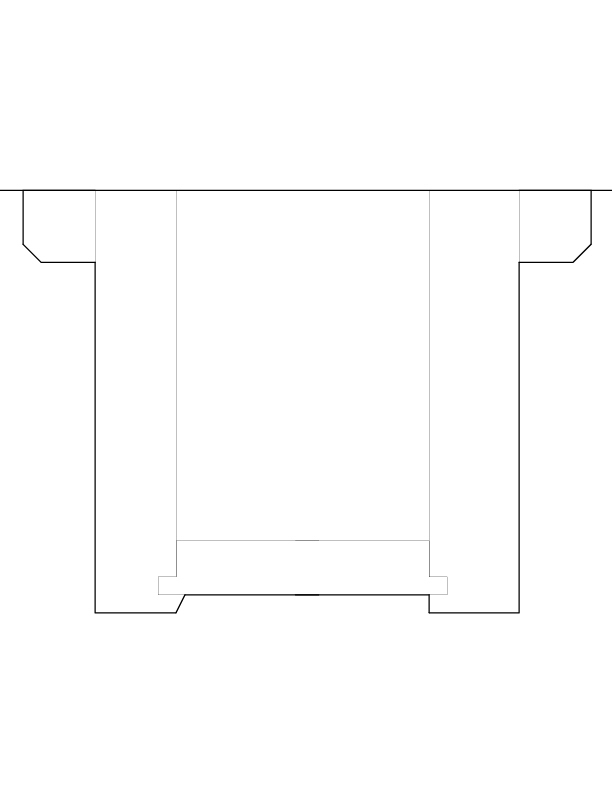
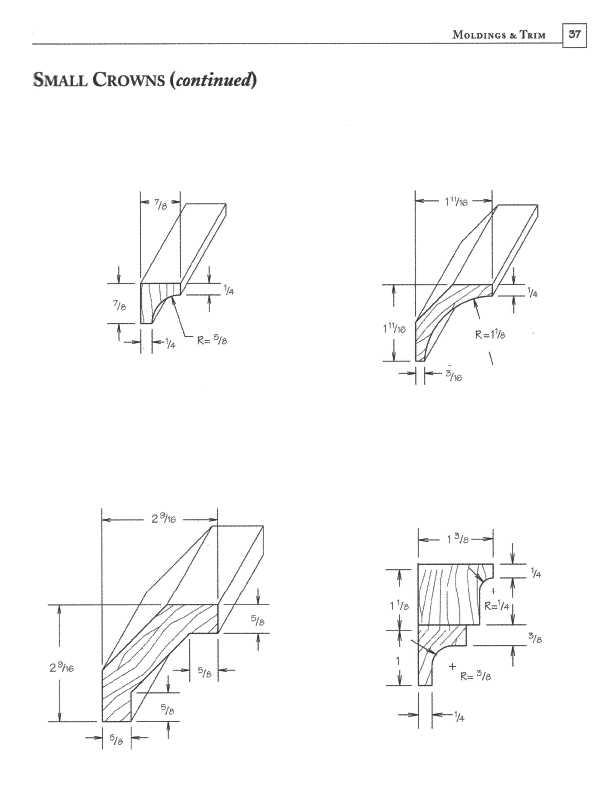
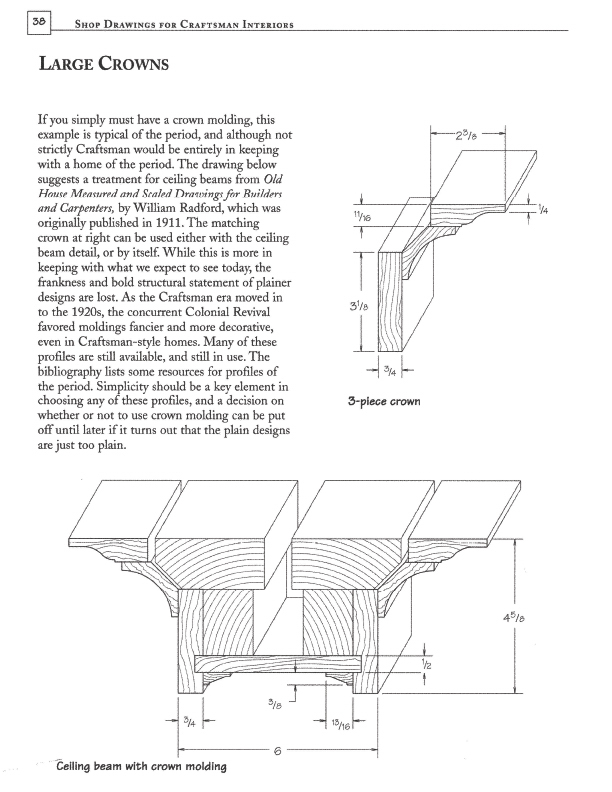
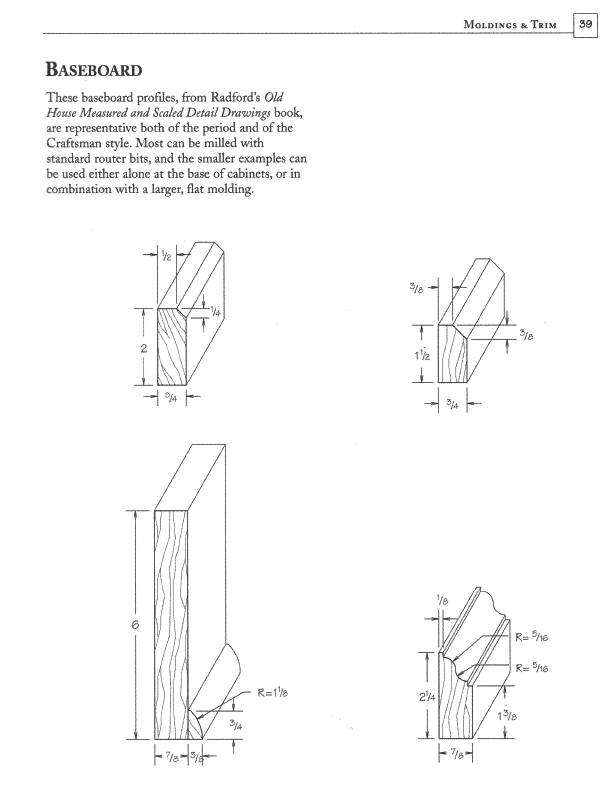
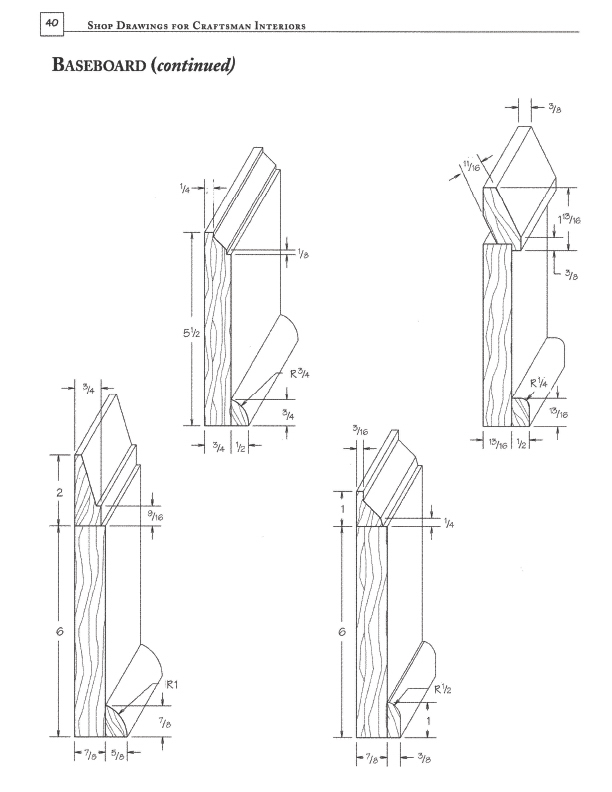
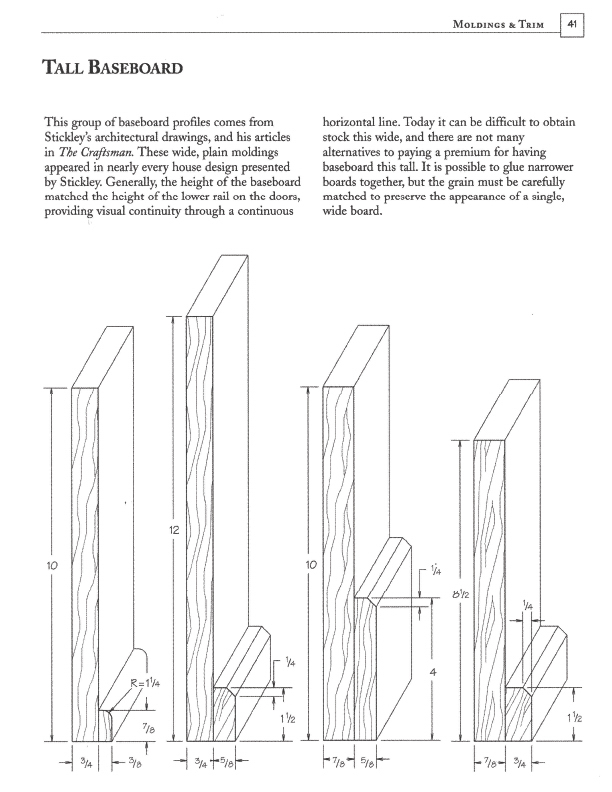
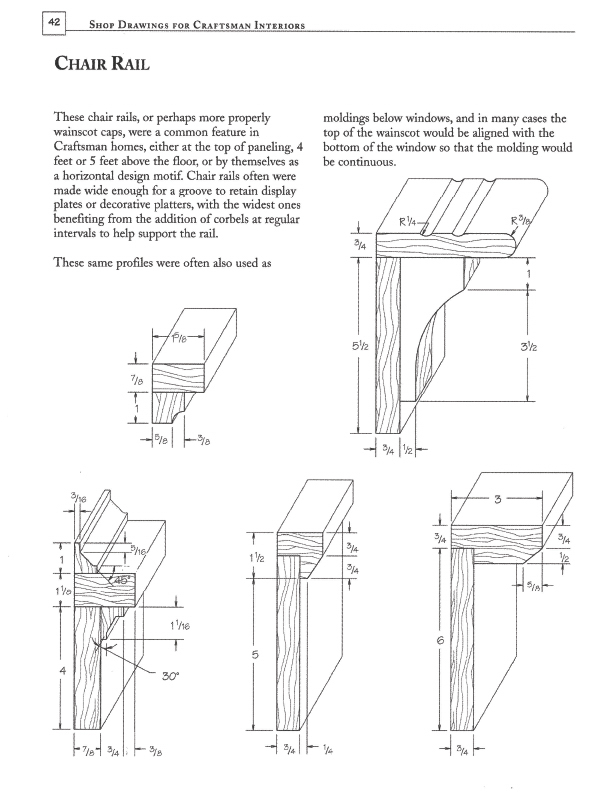
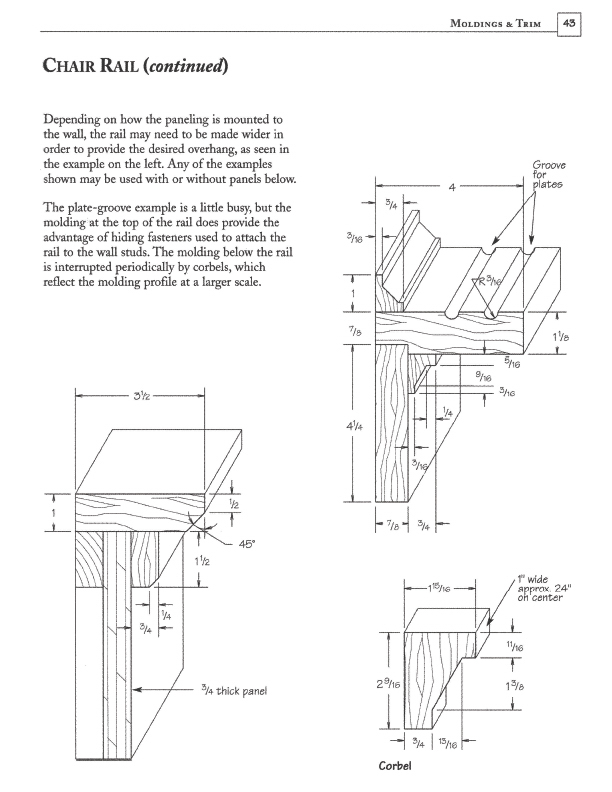
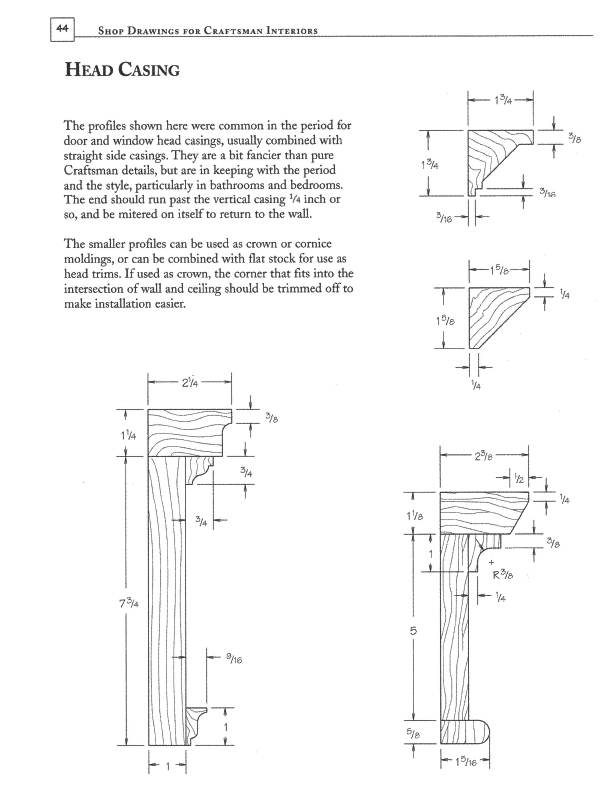
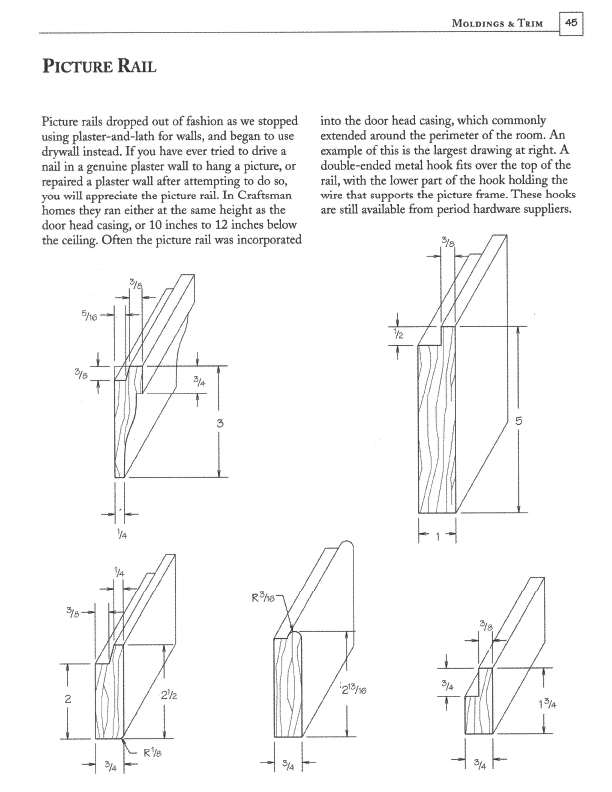
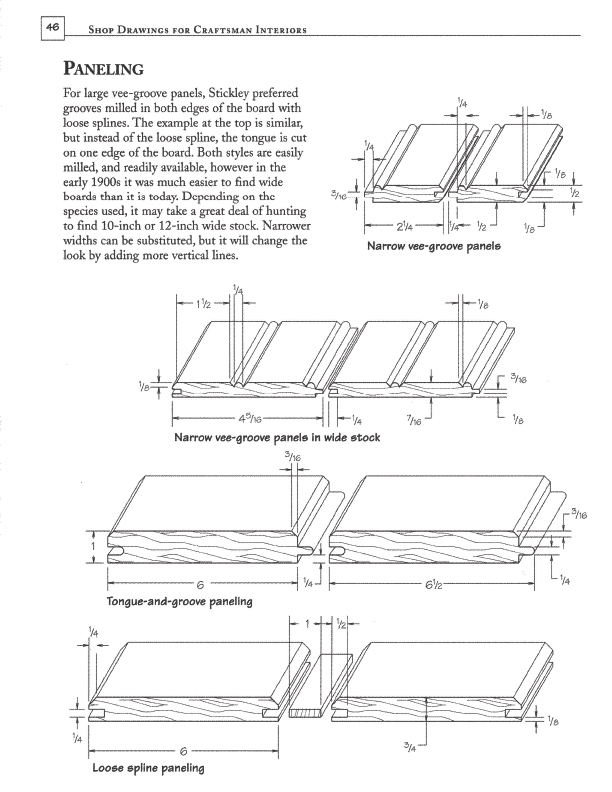
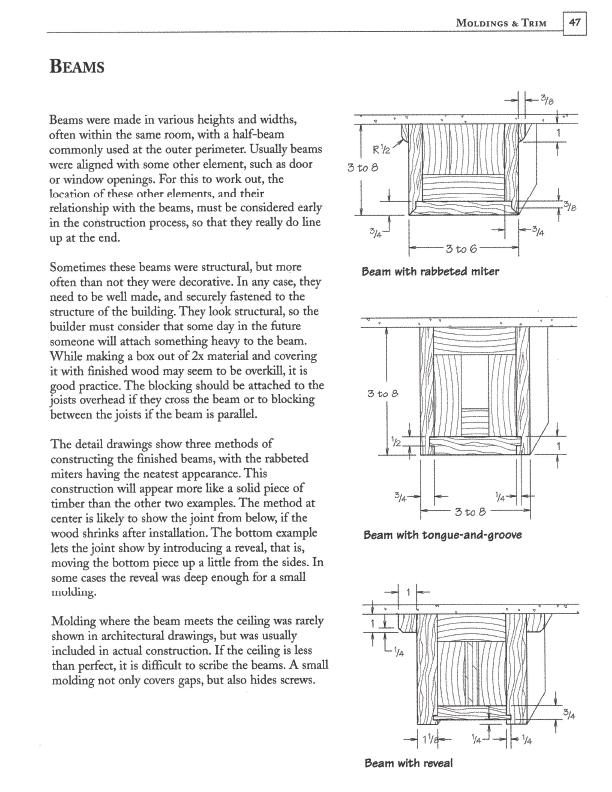
The following images include work by Robert W. Lang, whose book Shop Drawings for Craftsman Interiors remains a standard reference for woodworkers. The publication provides detailed plans for cabinets, mouldings, built-ins, mantels, and wainscoting designed in the Craftsman tradition.
For further reading on Craftsman Era Mouldings, we recommend Robert Lang's 2003 book "Shop Drawings for Craftsman Interiors".