798 MAIN STREET, NORWELL, PLYMOUTH COUNTY, MASSACHUSETTS
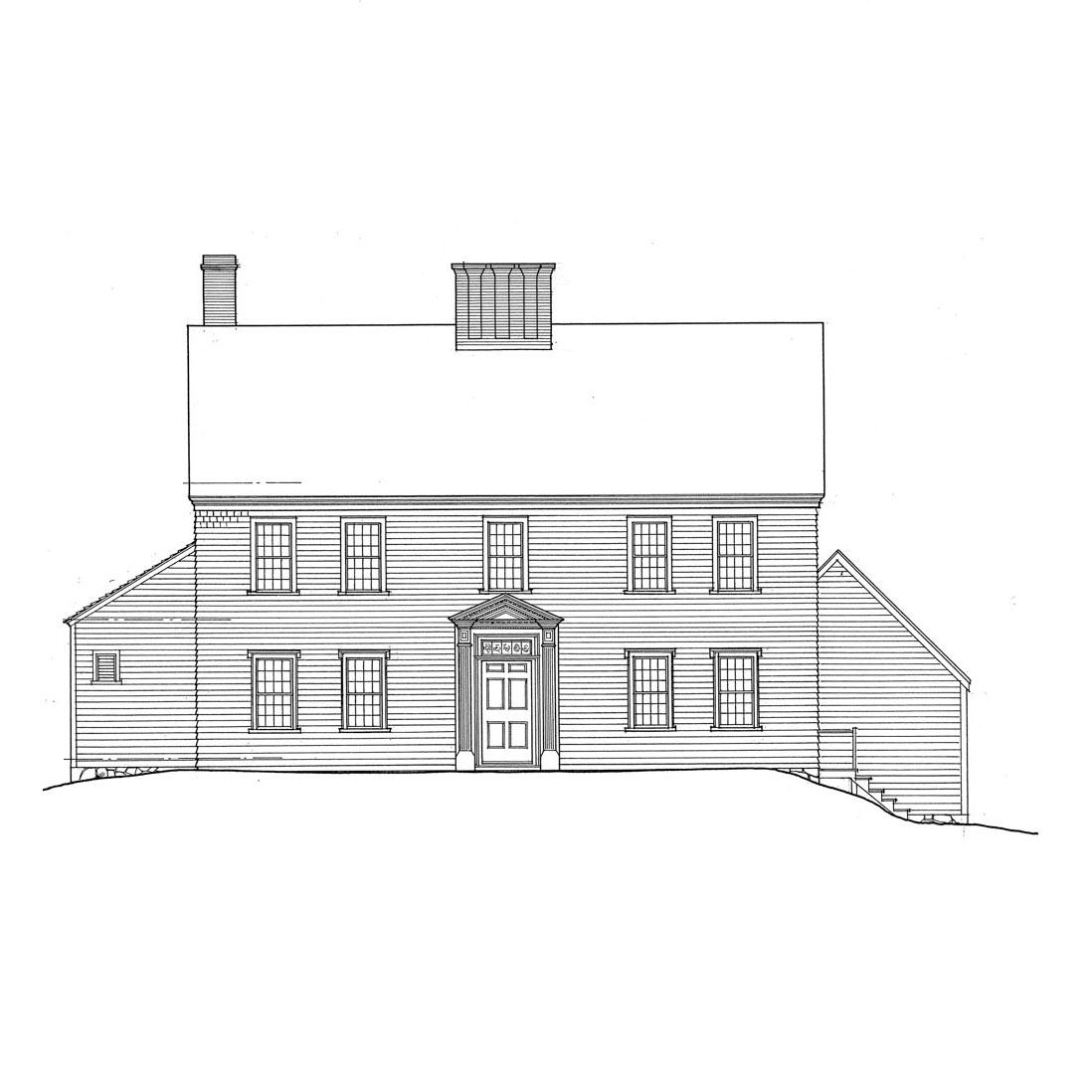
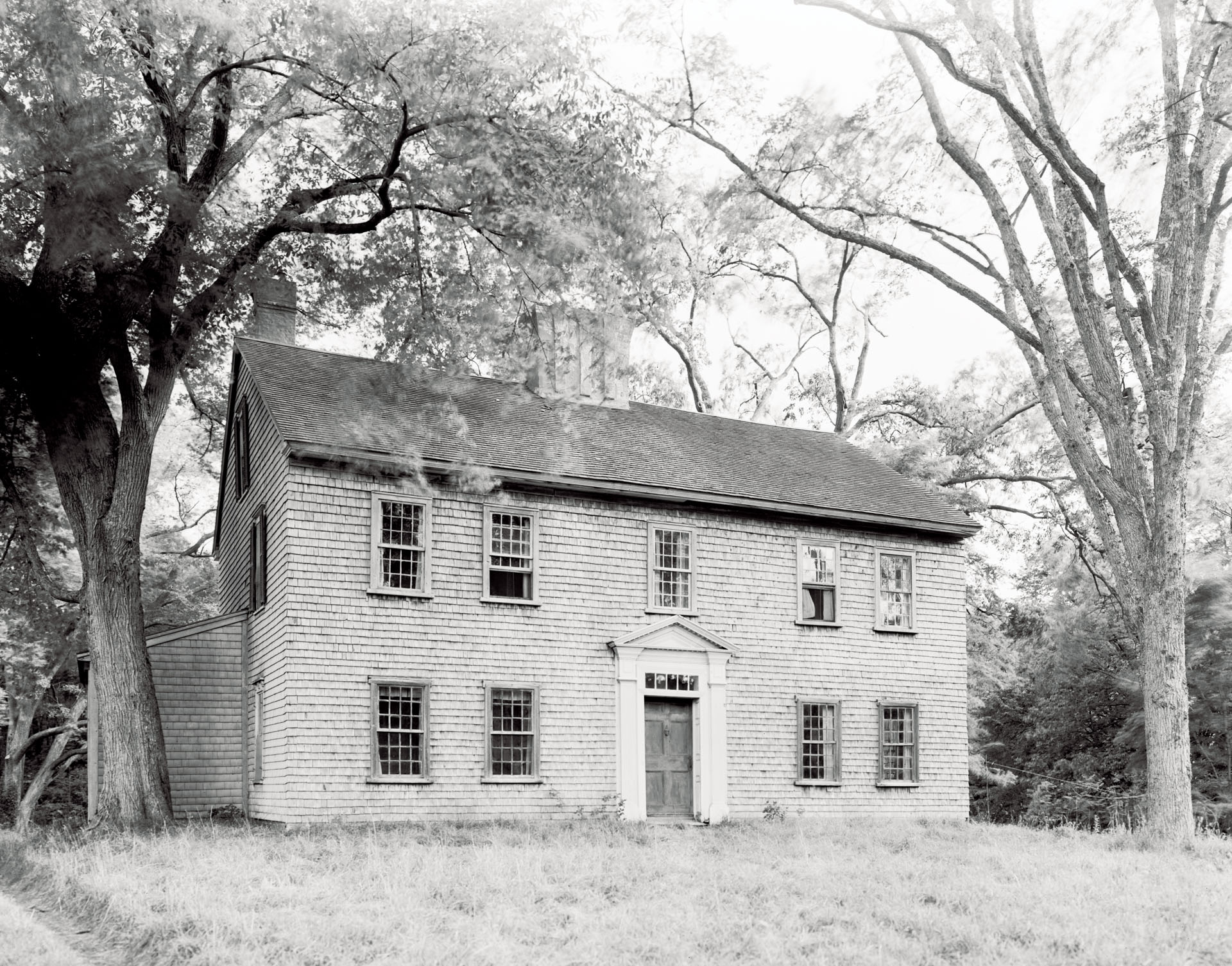
The Bryant Cushing House at 798 Main Street in Norwell, Massachusetts, embodies the resilience and craft of early colonial carpentry as one of the region’s enduring First Period dwellings. Erected in 1698 by Deacon Thomas Bryant, this wood frame residence anchors its presence with a steeply pitched roof, a commanding central chimney, and clapboard that has taken on the soft patina over centuries of New England weather and light. Set upon roughly 3.75 acres, the house was later held for nearly two centuries by the locally prominent Cushing family, with its long occupancy weaving it into the cultural fabric of Norwell’s evolving community.
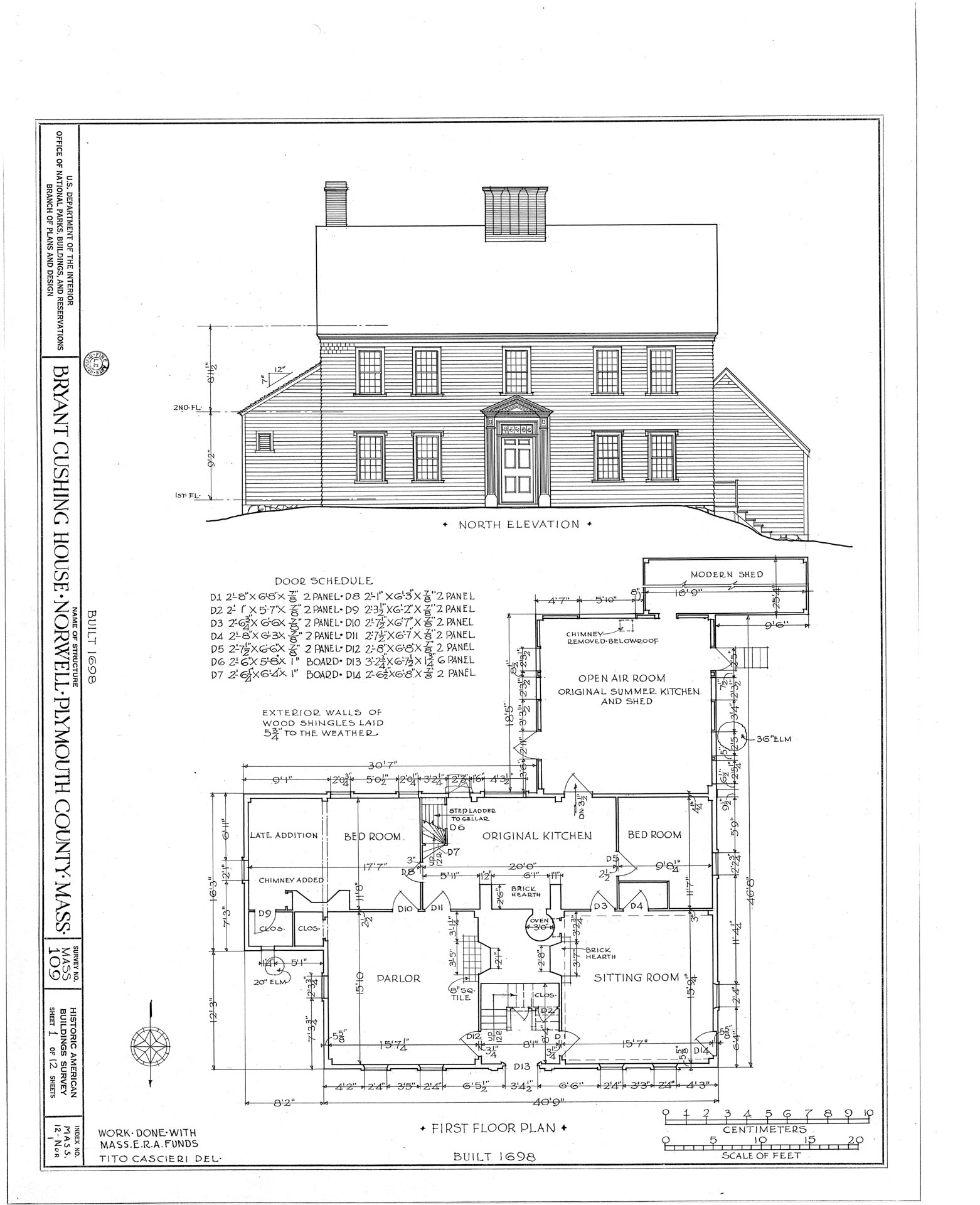
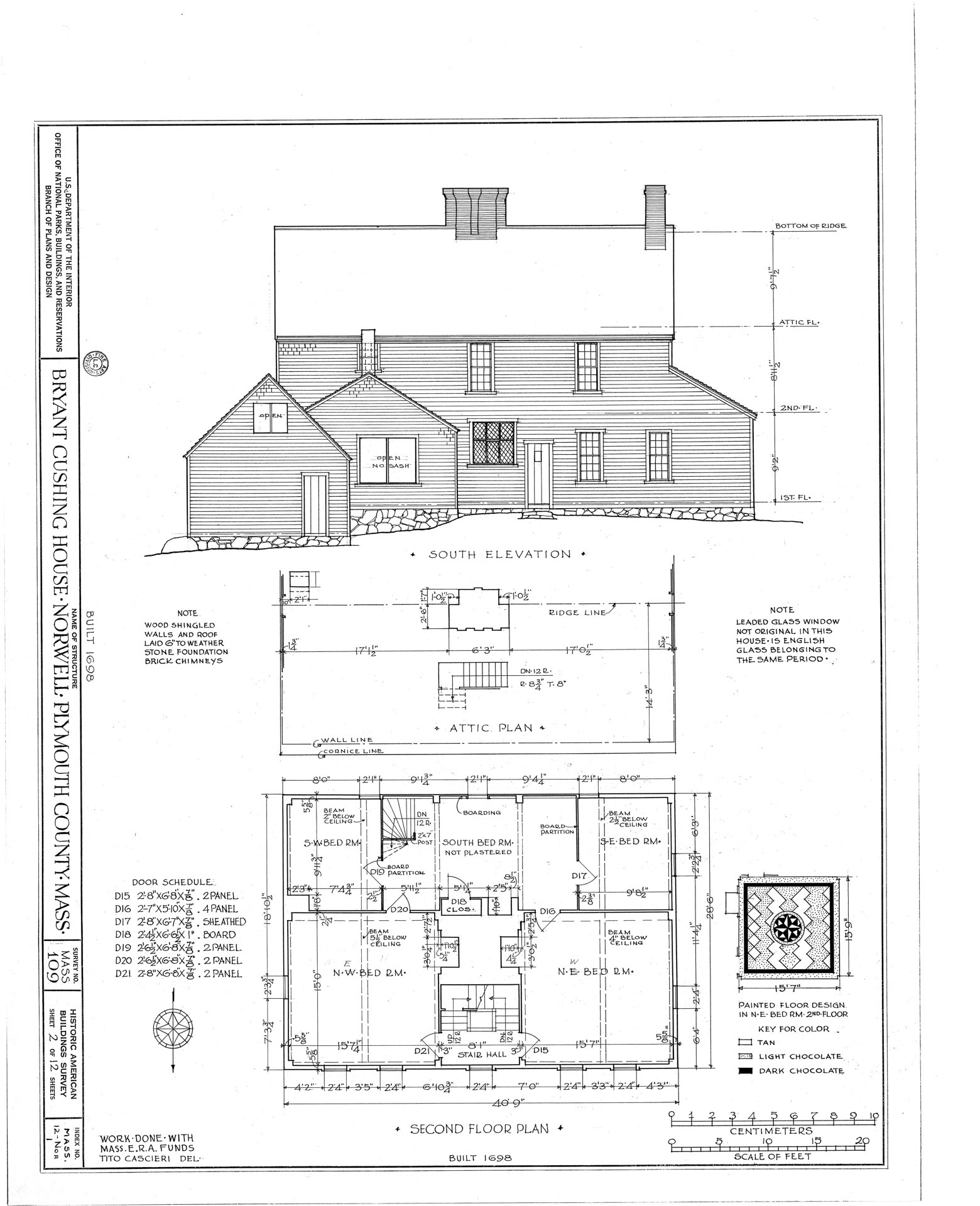
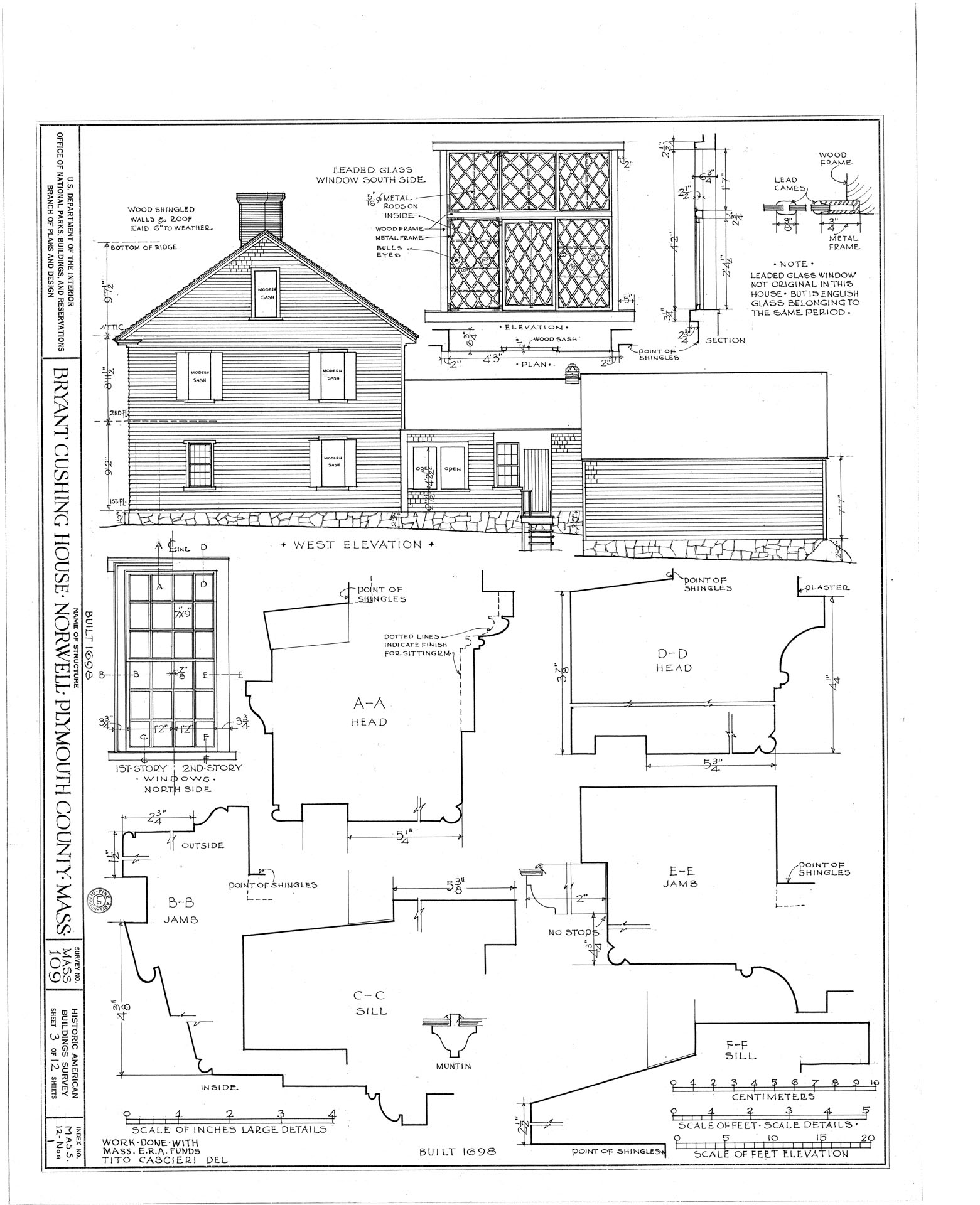
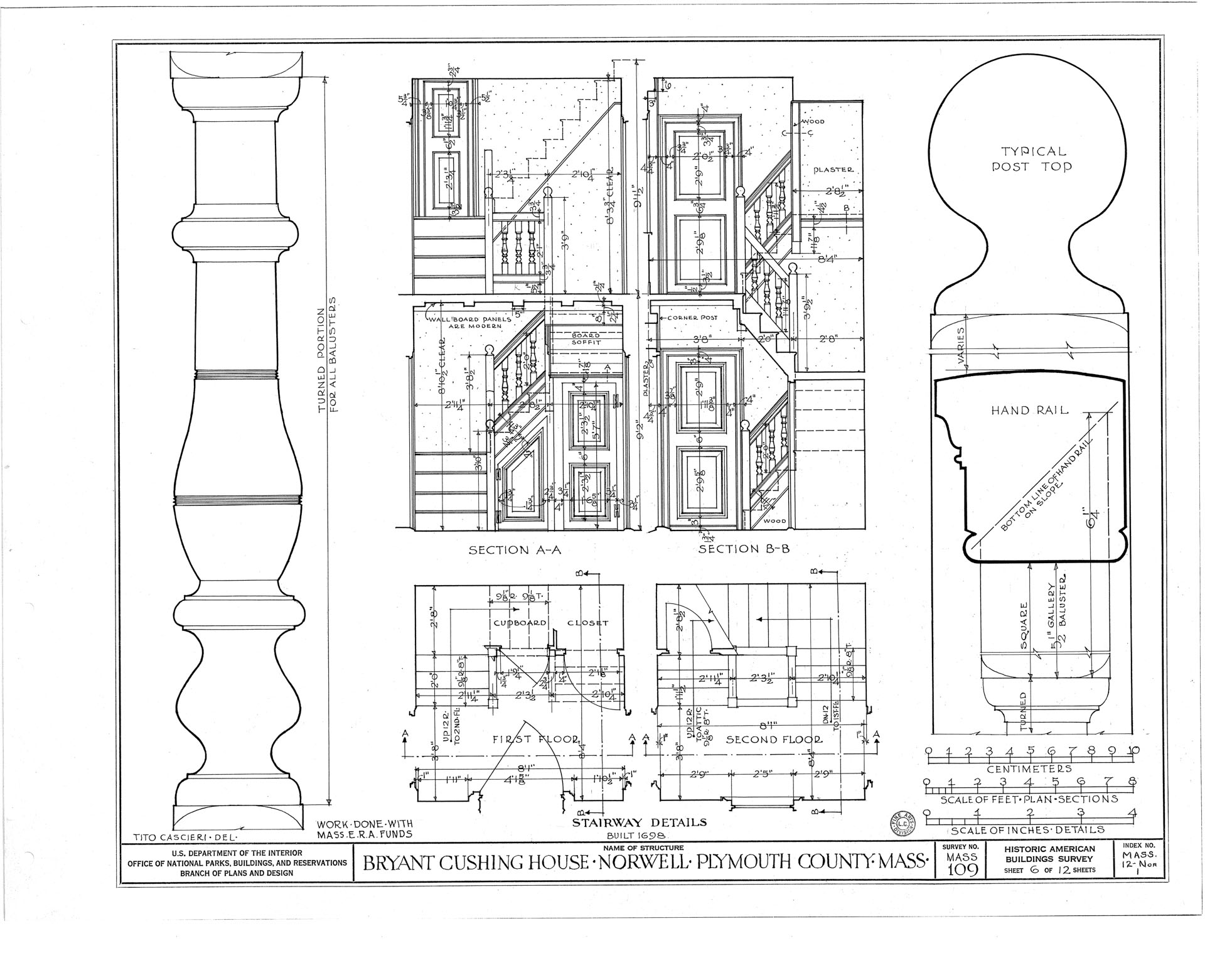
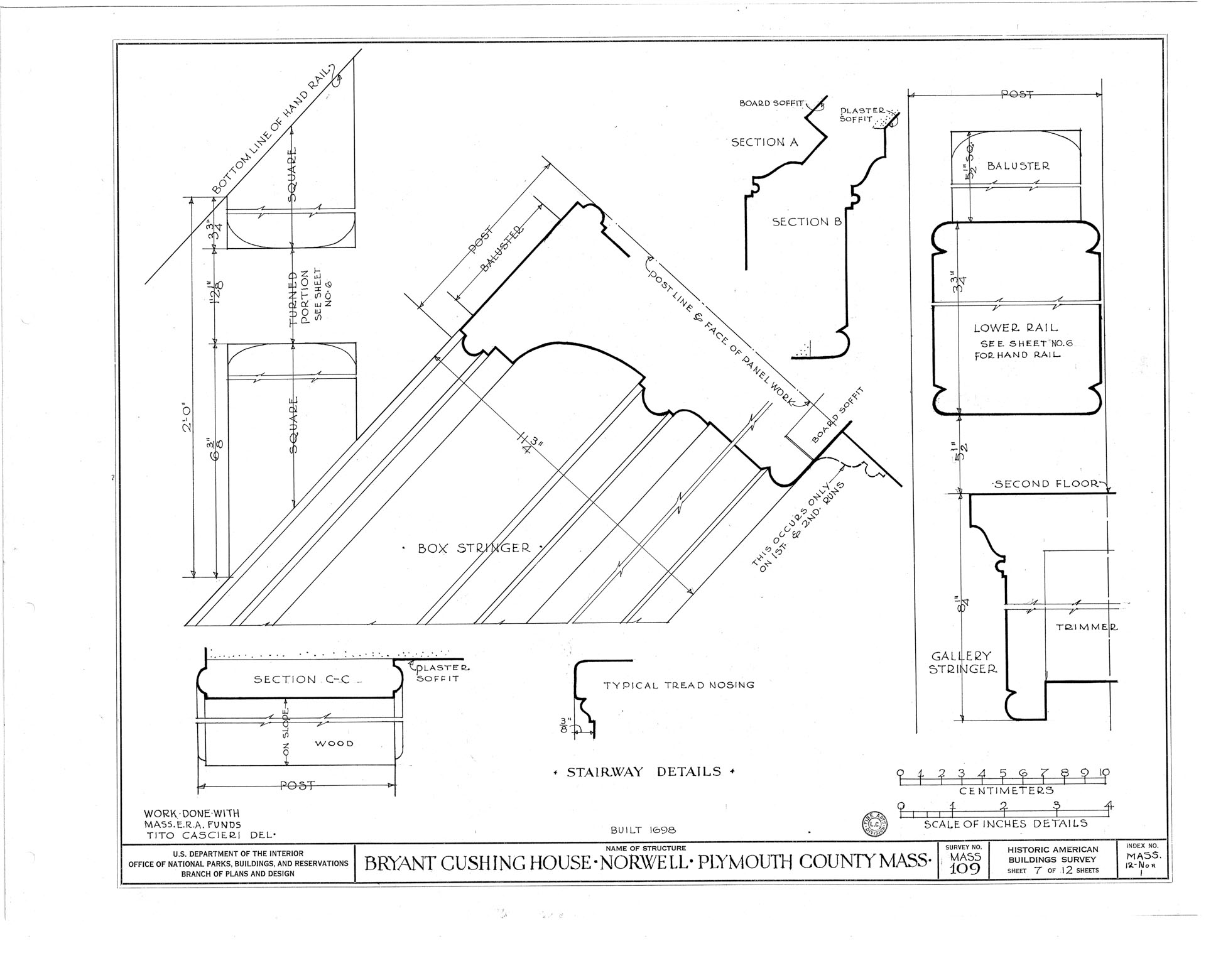
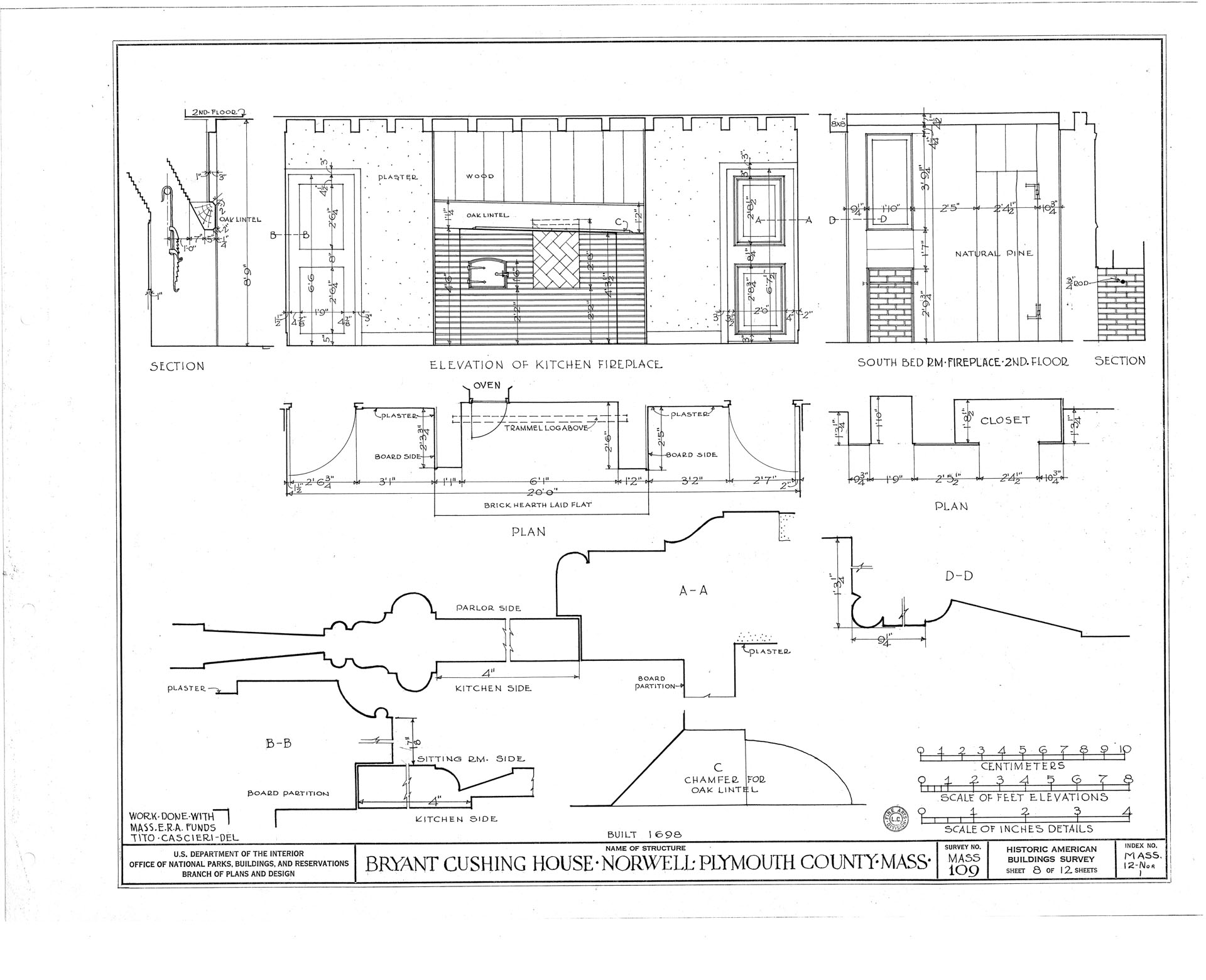
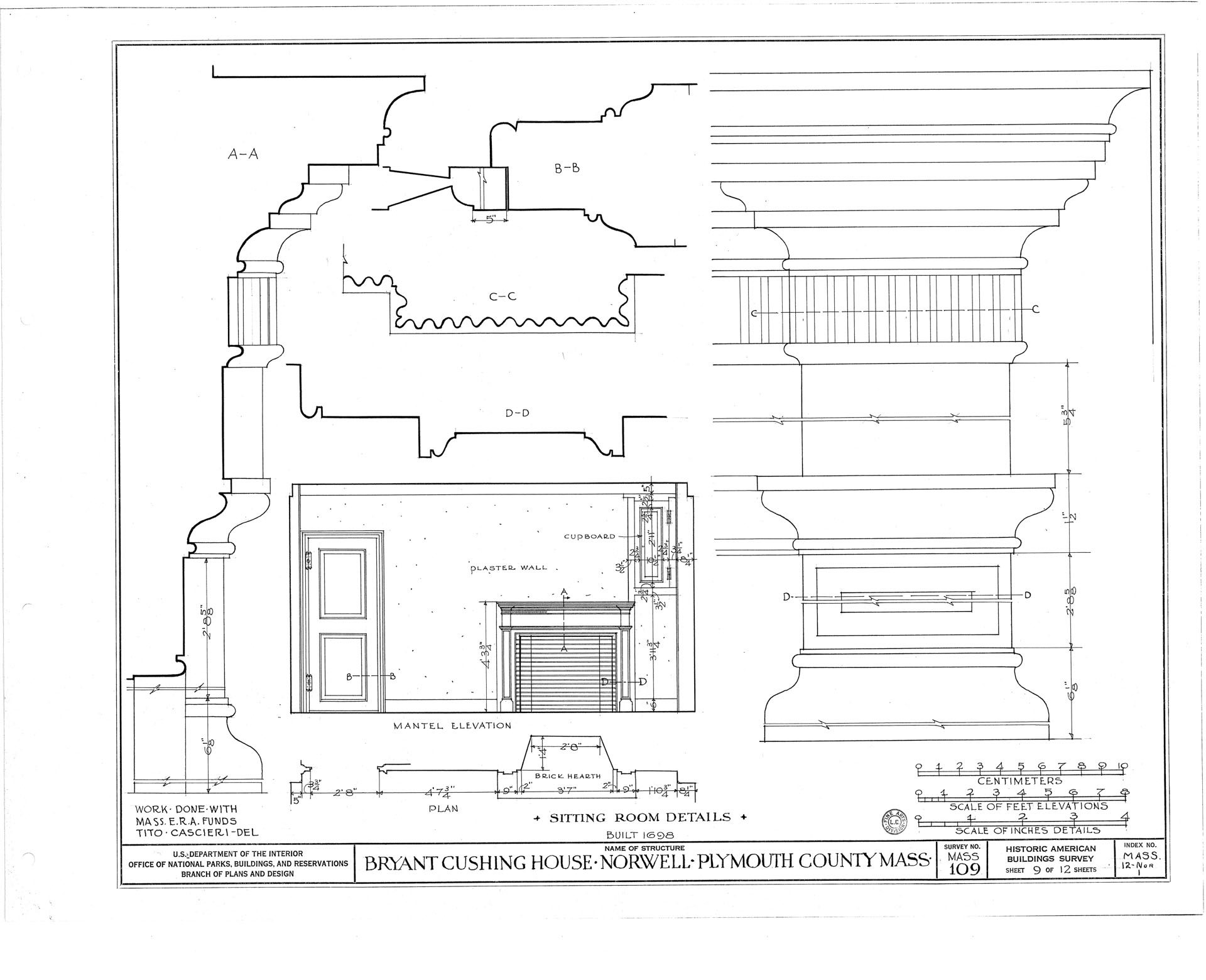
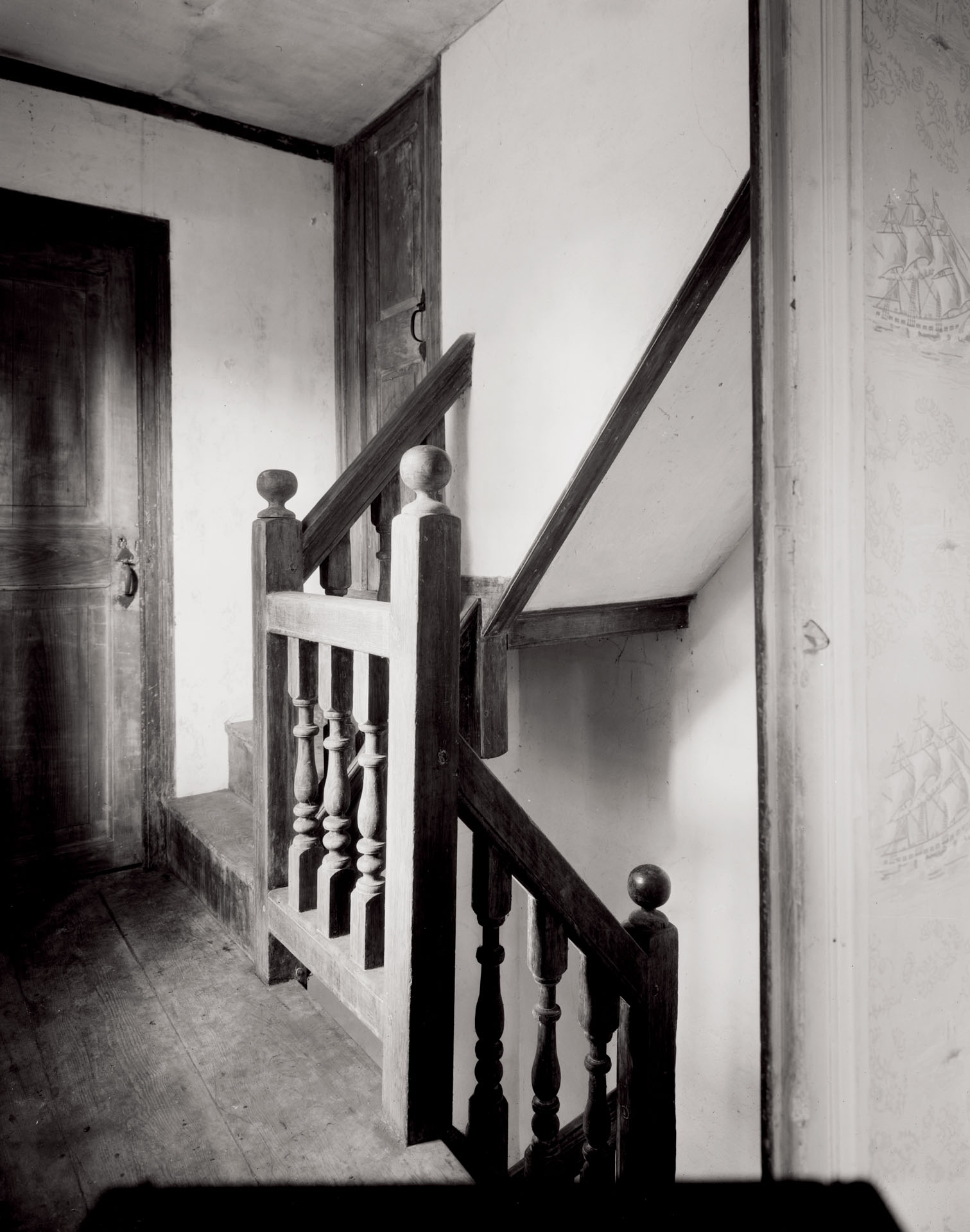
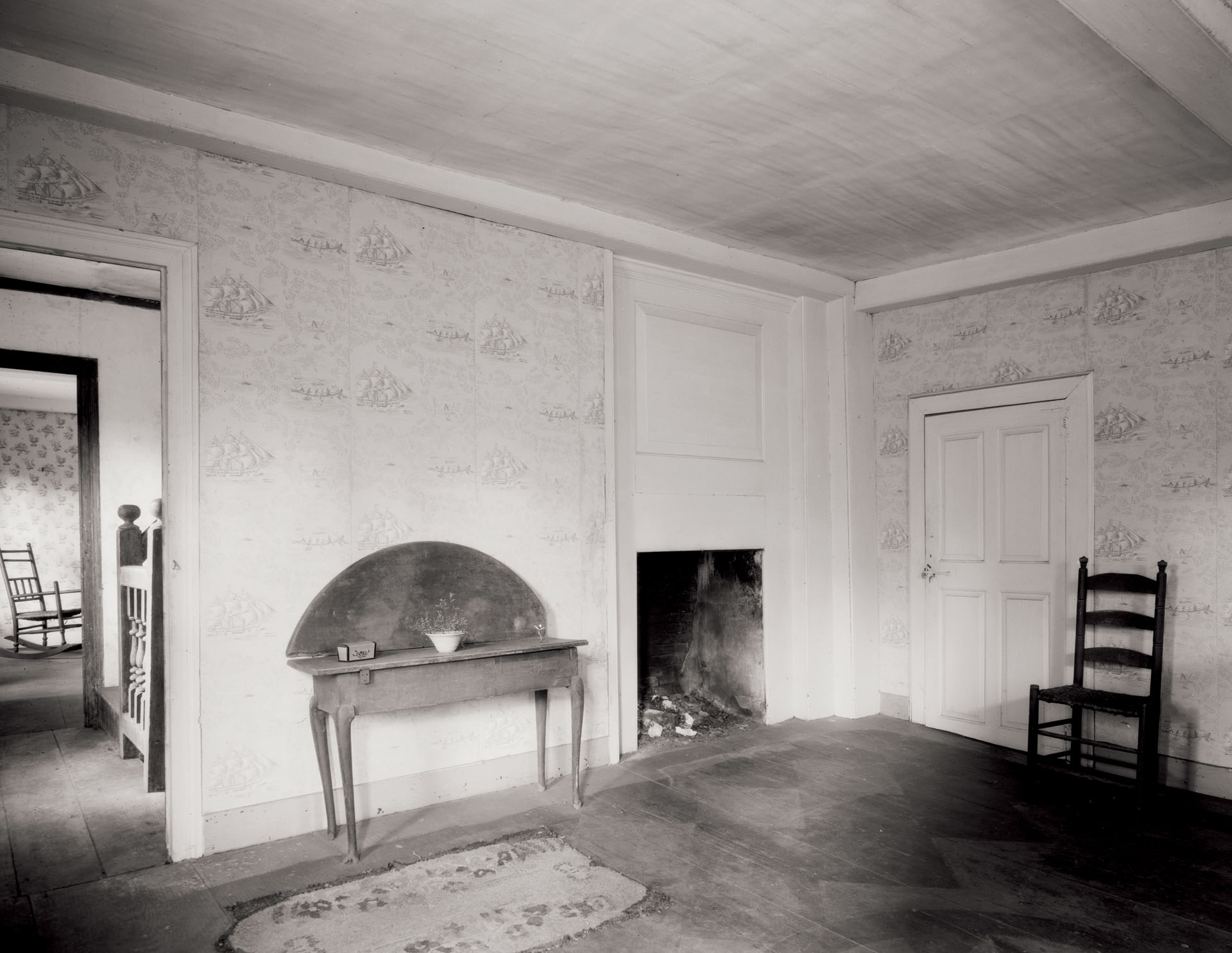
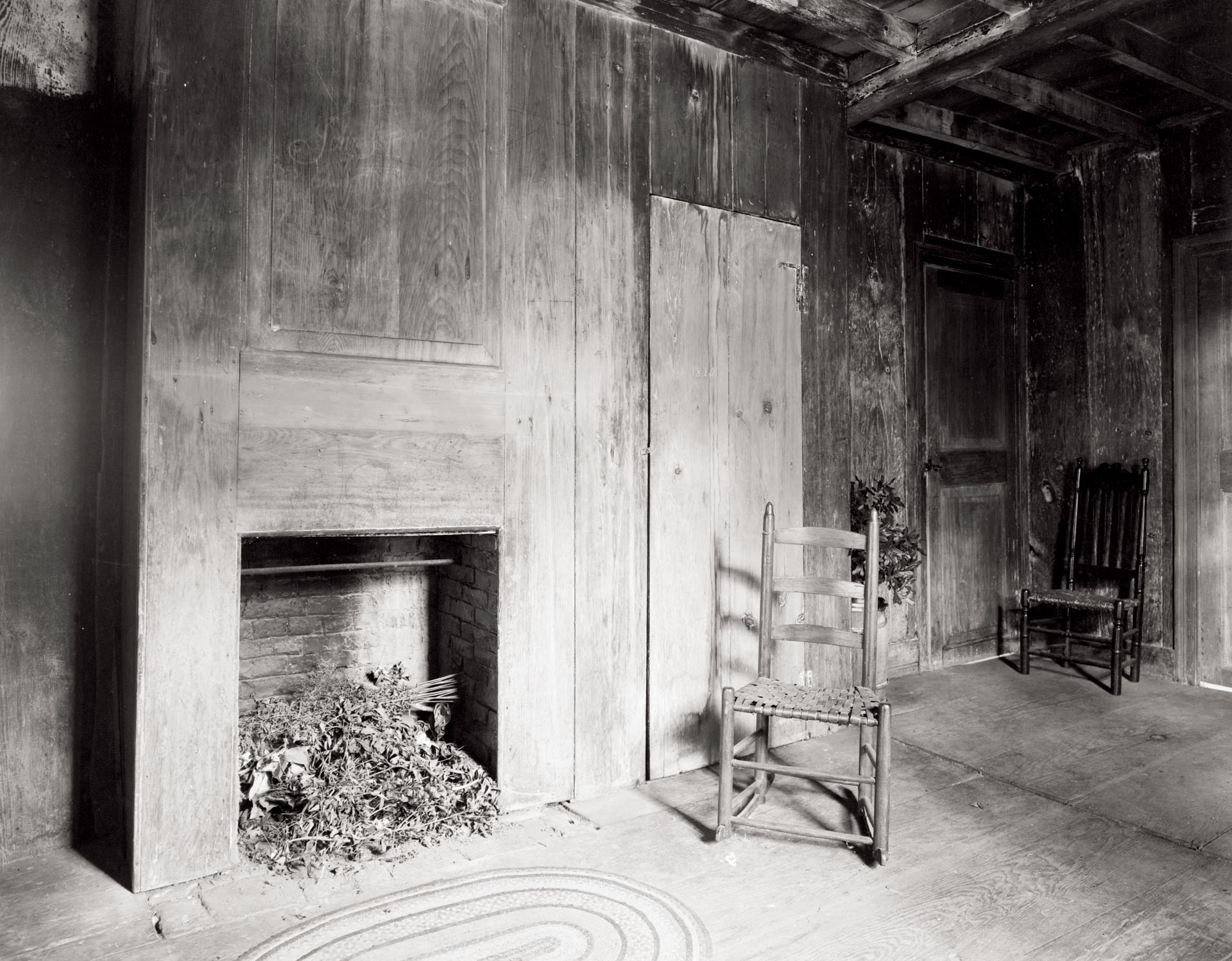
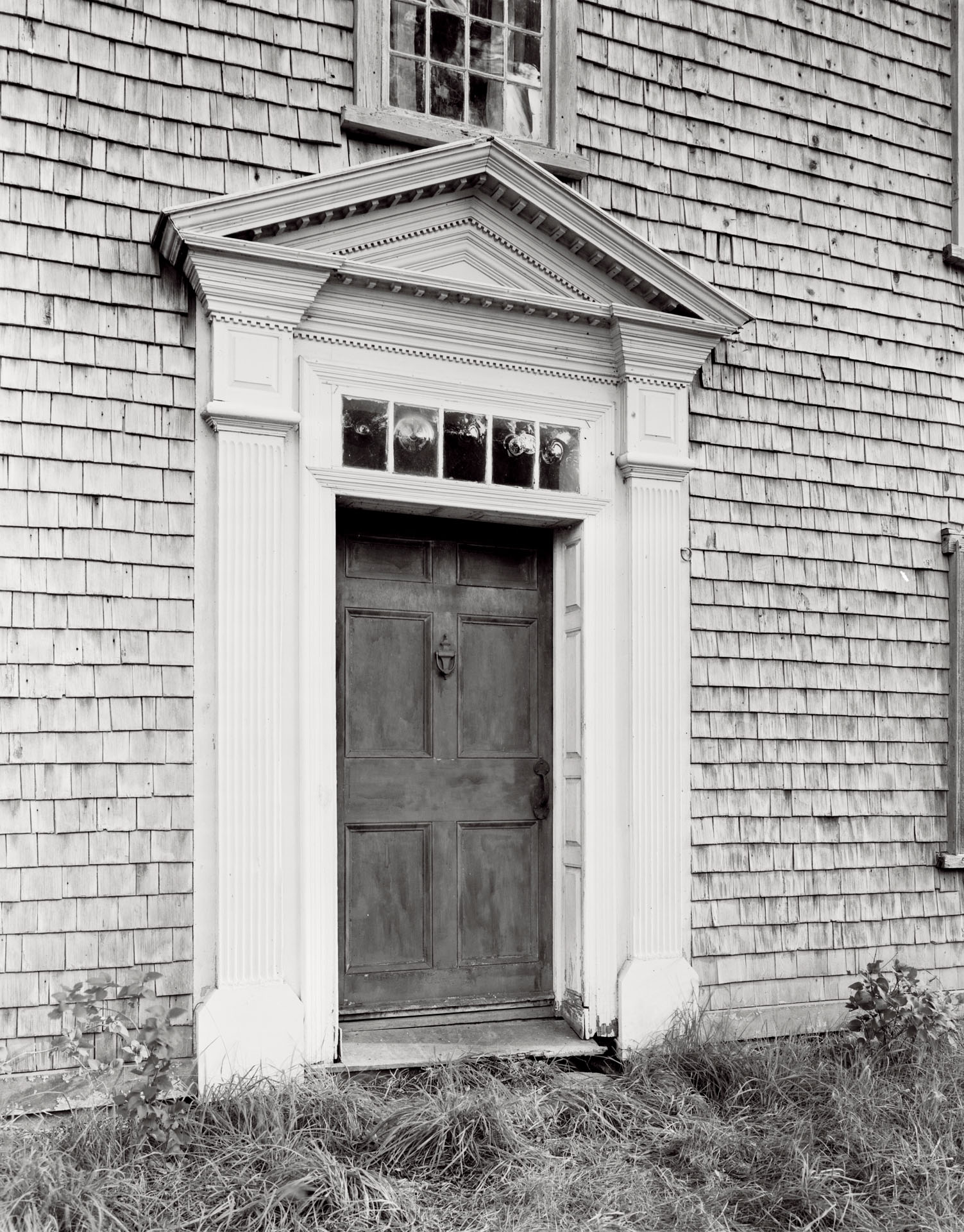
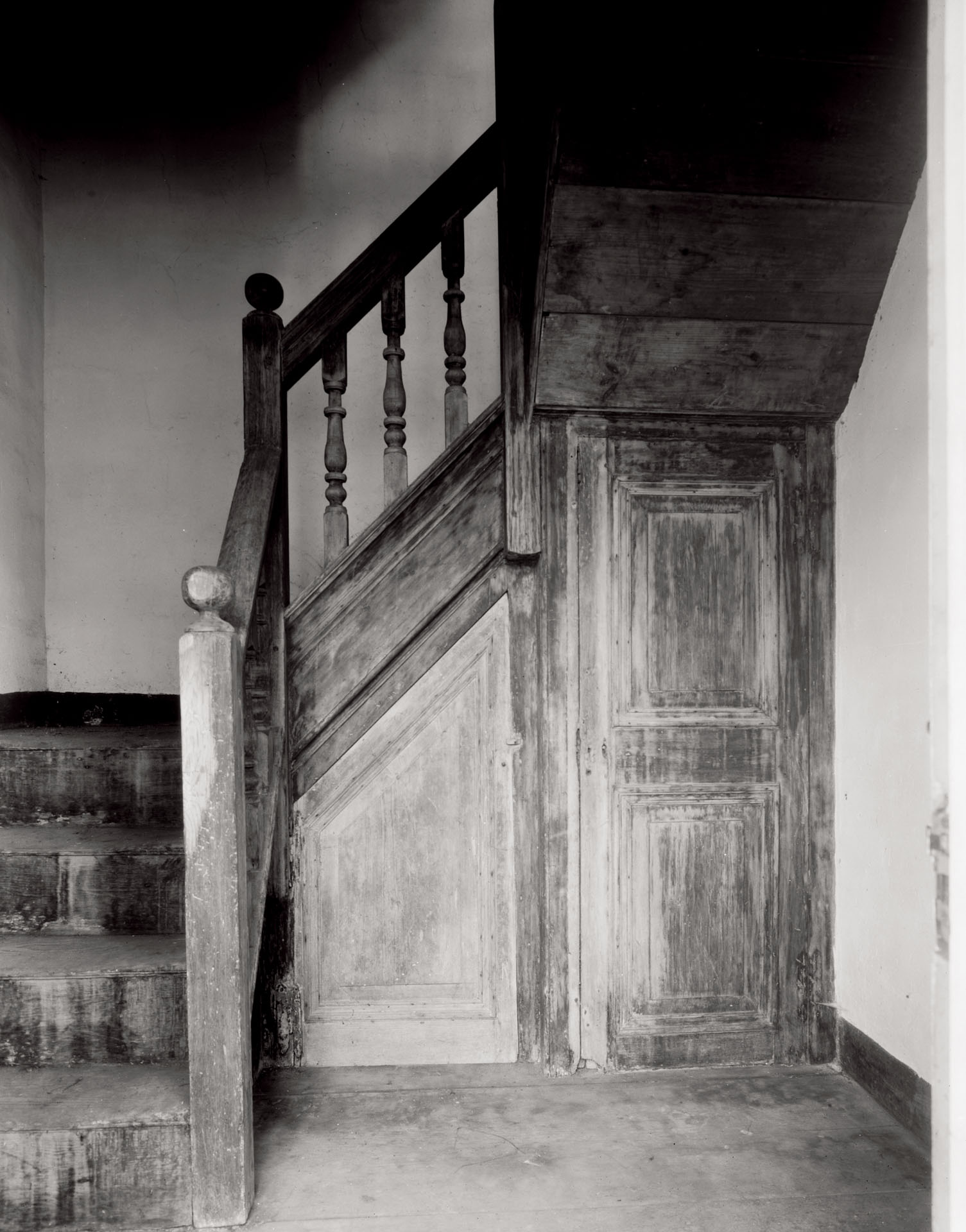
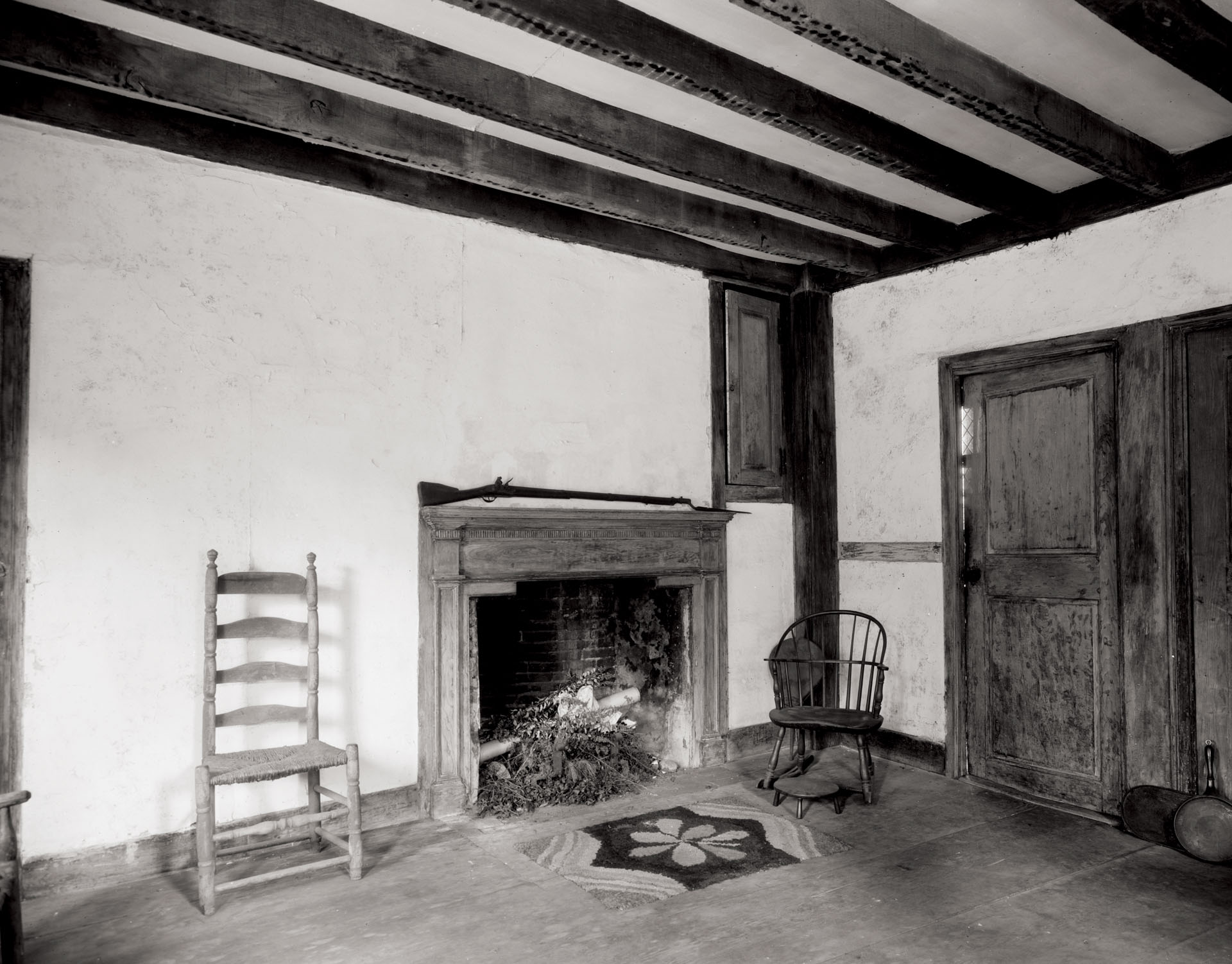
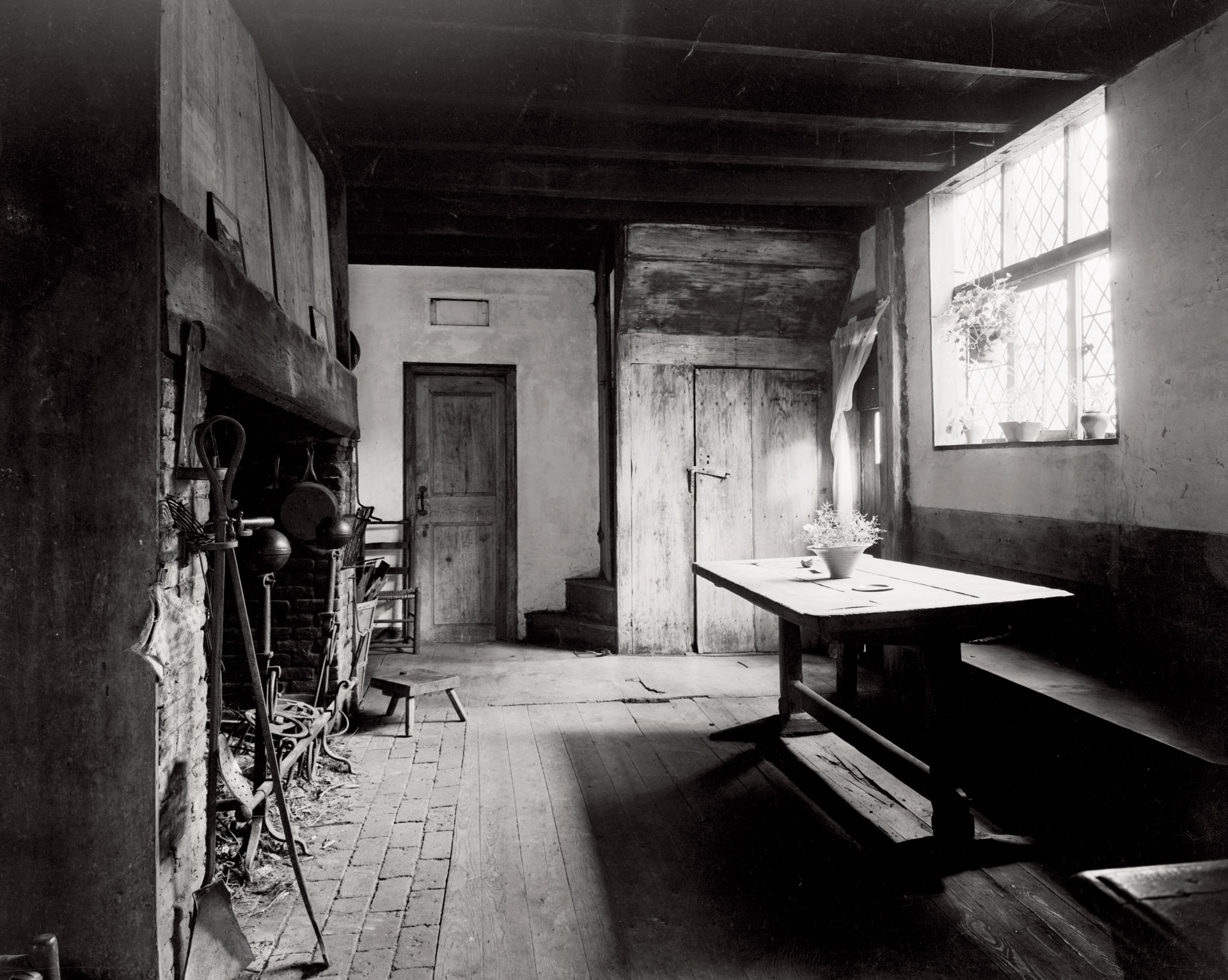
From the exterior, the Bryant Cushing House expresses a balanced simplicity that belies the sophistication of its construction. Across the facade, the placement of the windows and the centered doorway reveal a careful compositional discipline, as though the exterior were drawn with ruler and compass. Inside, the rhythm of large hand hewn beams and substantial posts reveals the structural clarity of timber framing that was typical of late seventeenth-century building practice. Drawings and measured sketches from historic surveys, including those preserved by the Historic American Buildings Survey, show how interior spaces are articulated around the massive chimney stack, which once served multiple hearths and remains the organizing heart of the plan.
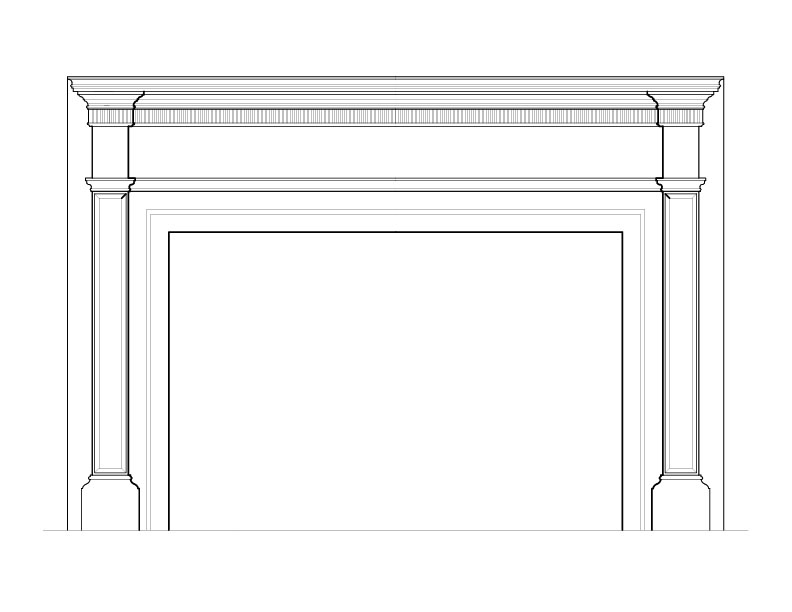
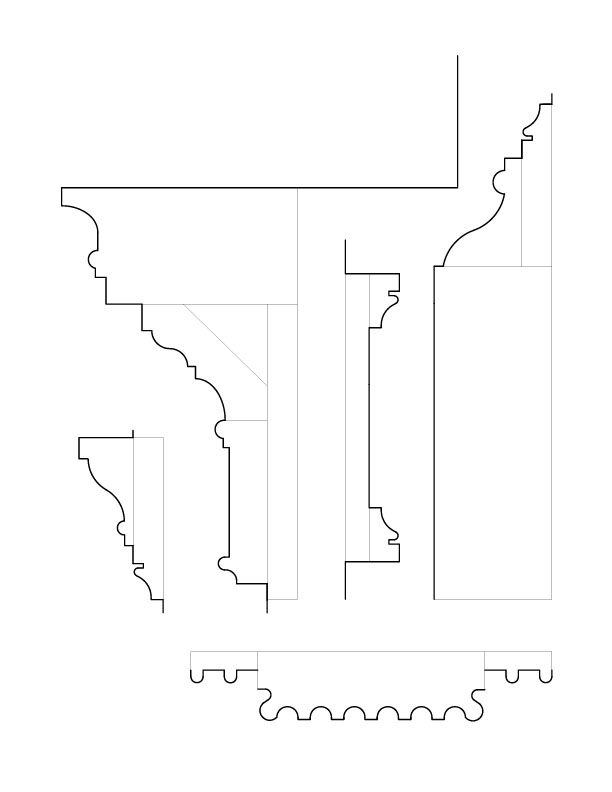
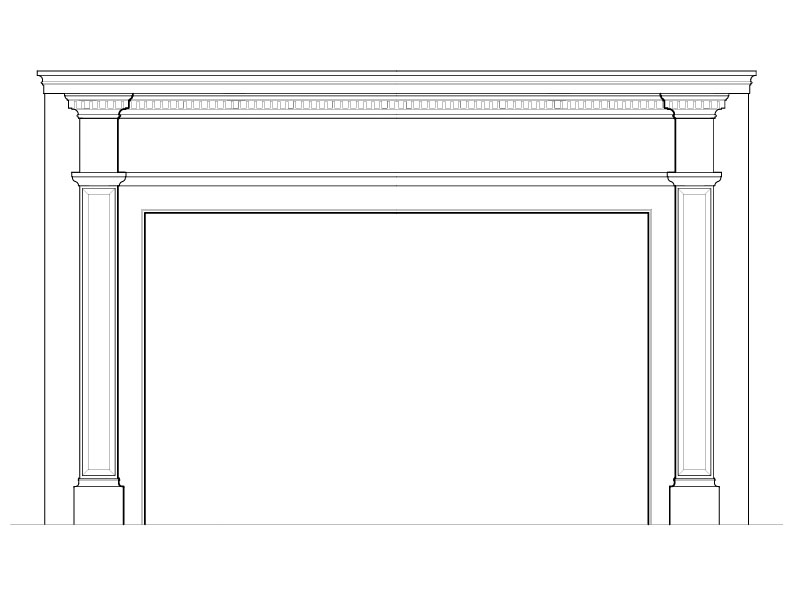
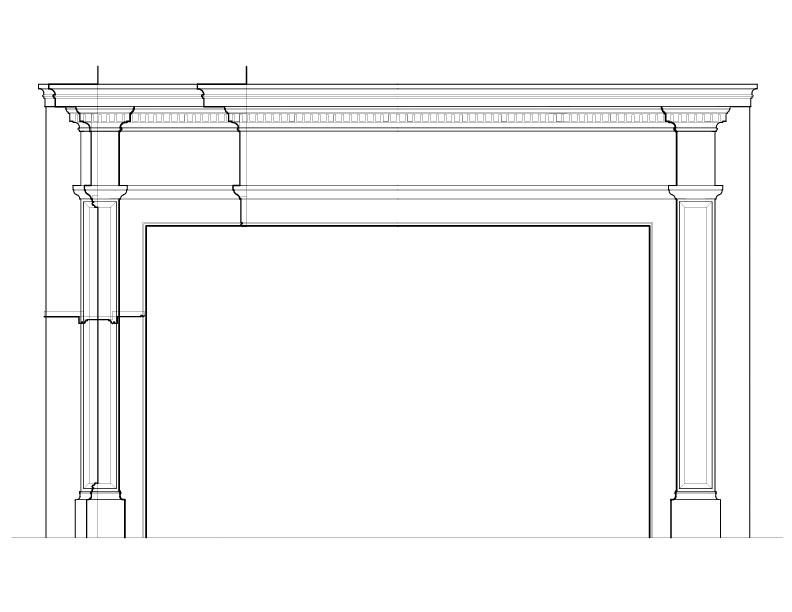
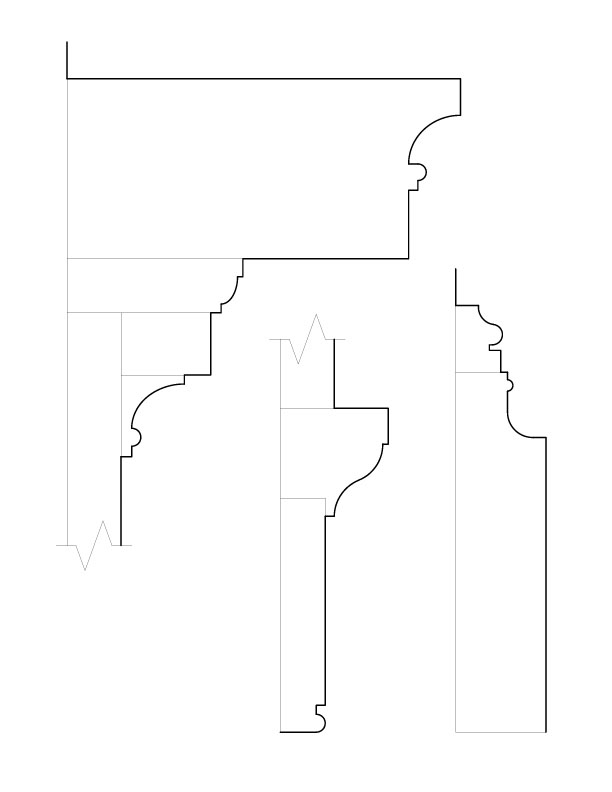
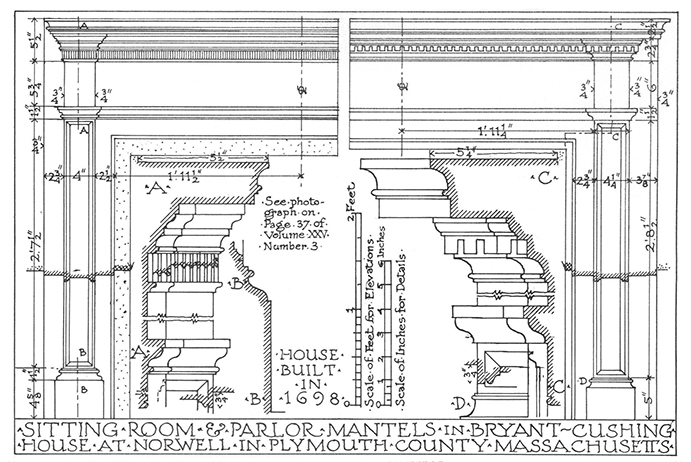
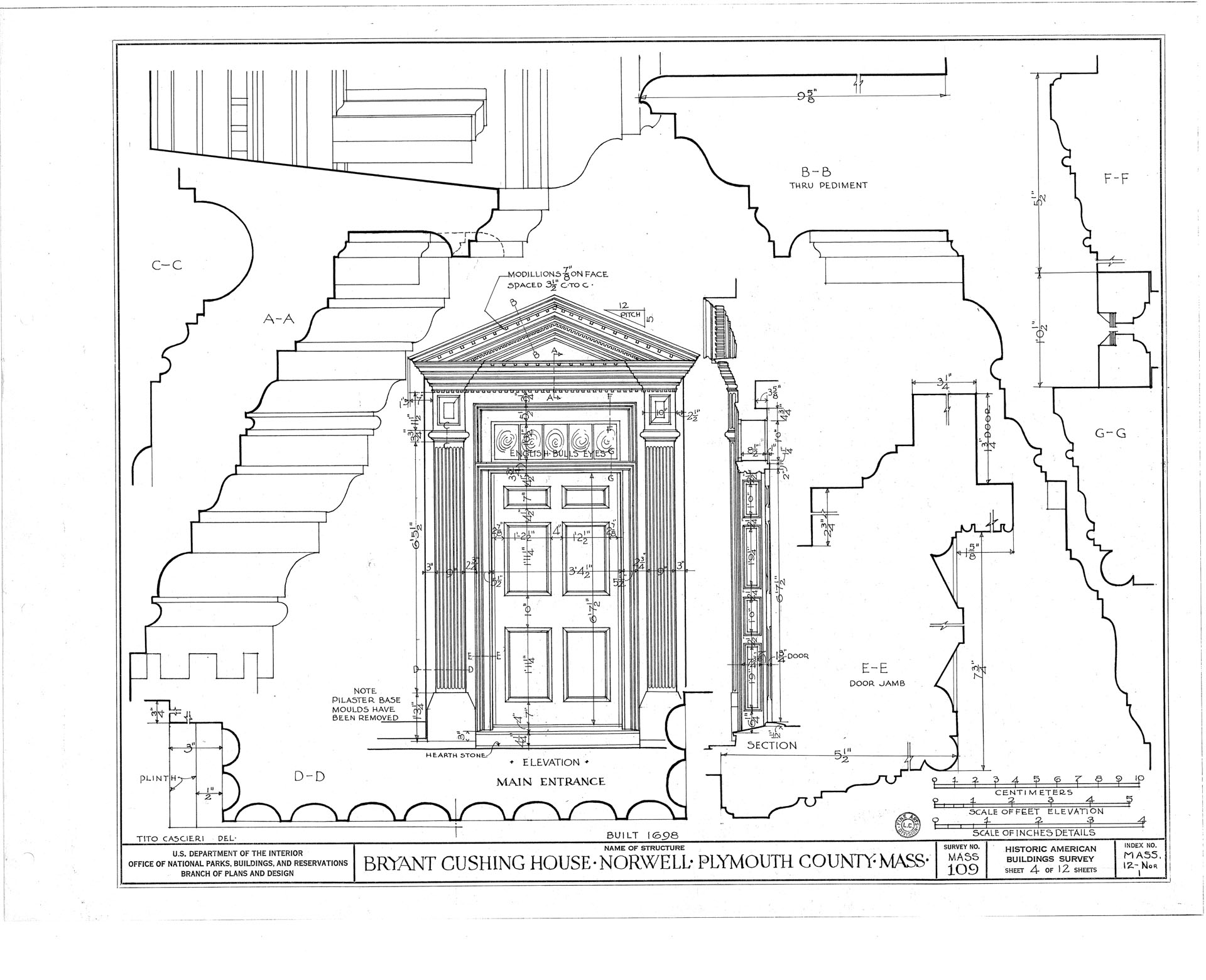
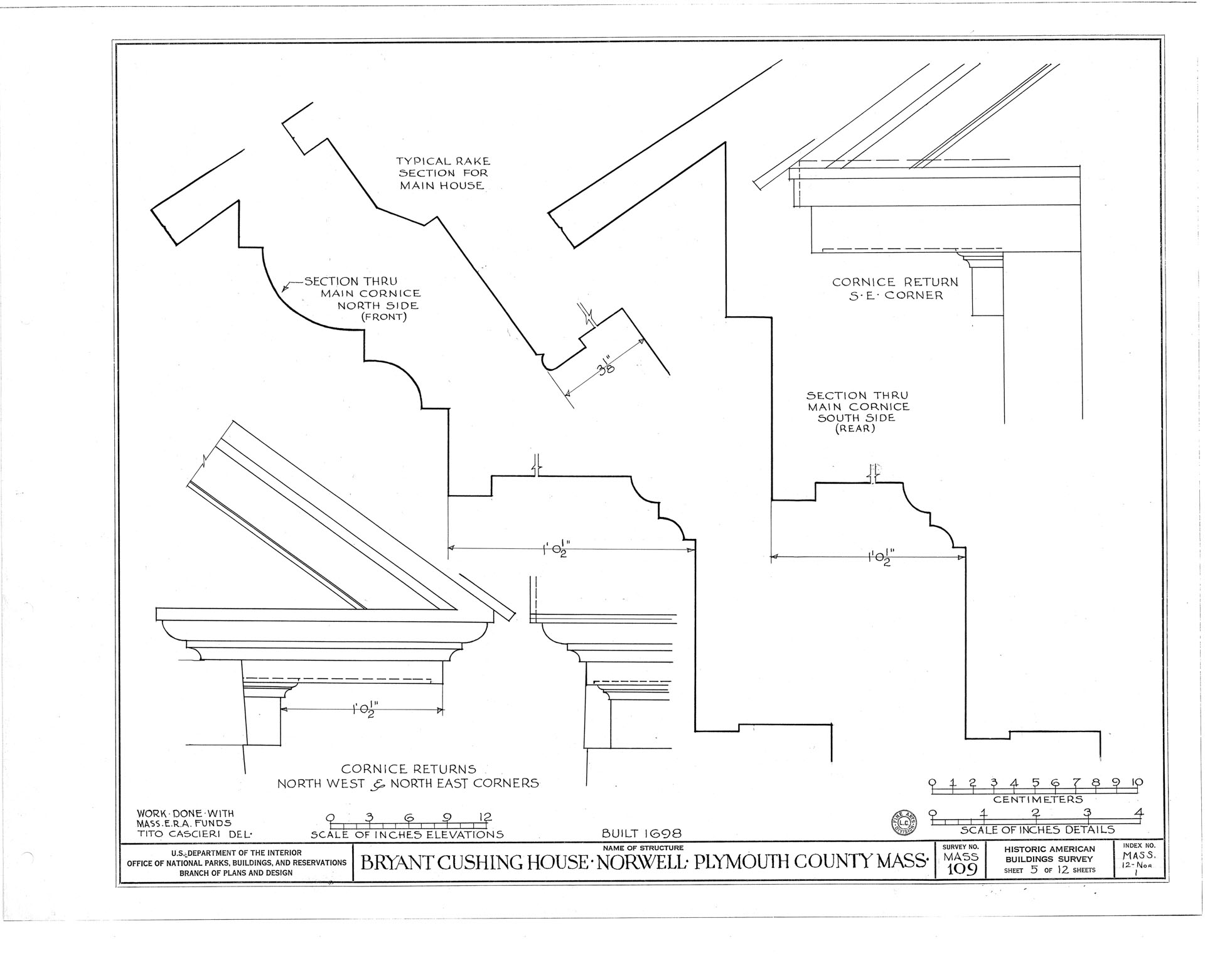
Architectural details hint at a subtle evolution of style over time. The profiles of mantels and mouldings recorded in the Mouldings One gallery reflect an interplay between utilitarian framing and the aspirations of refinements that emerged in the early eighteenth century. The doorways illustrate the builder’s dual priorities: strong framing for durability, and shaped woodwork around each opening to refine how the spaces connect. Set amid a property that now borders conserved open land, the Bryant Cushing House stands as a testament to enduring craft and adaptation, carrying forward the memory of early households whose architecture shaped the landscape of Plymouth County.