165 ESSEX STREET, SALEM, ESSEX COUNTY, MASSACHUSETTS
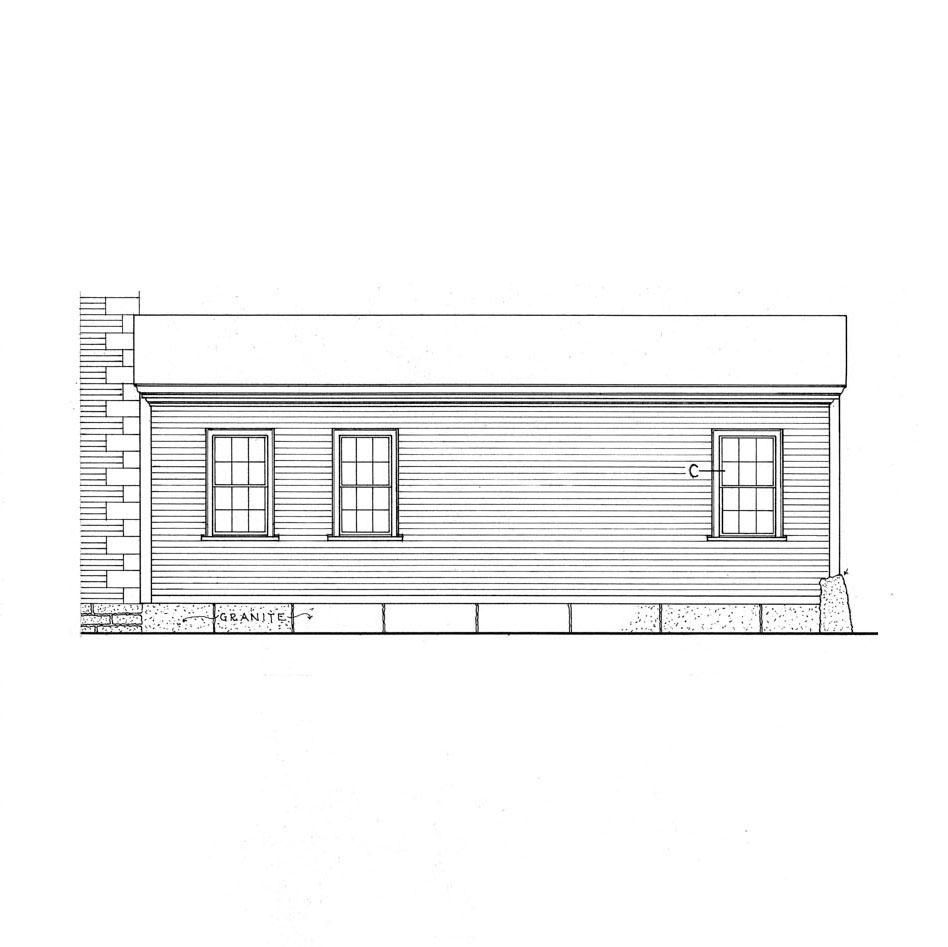
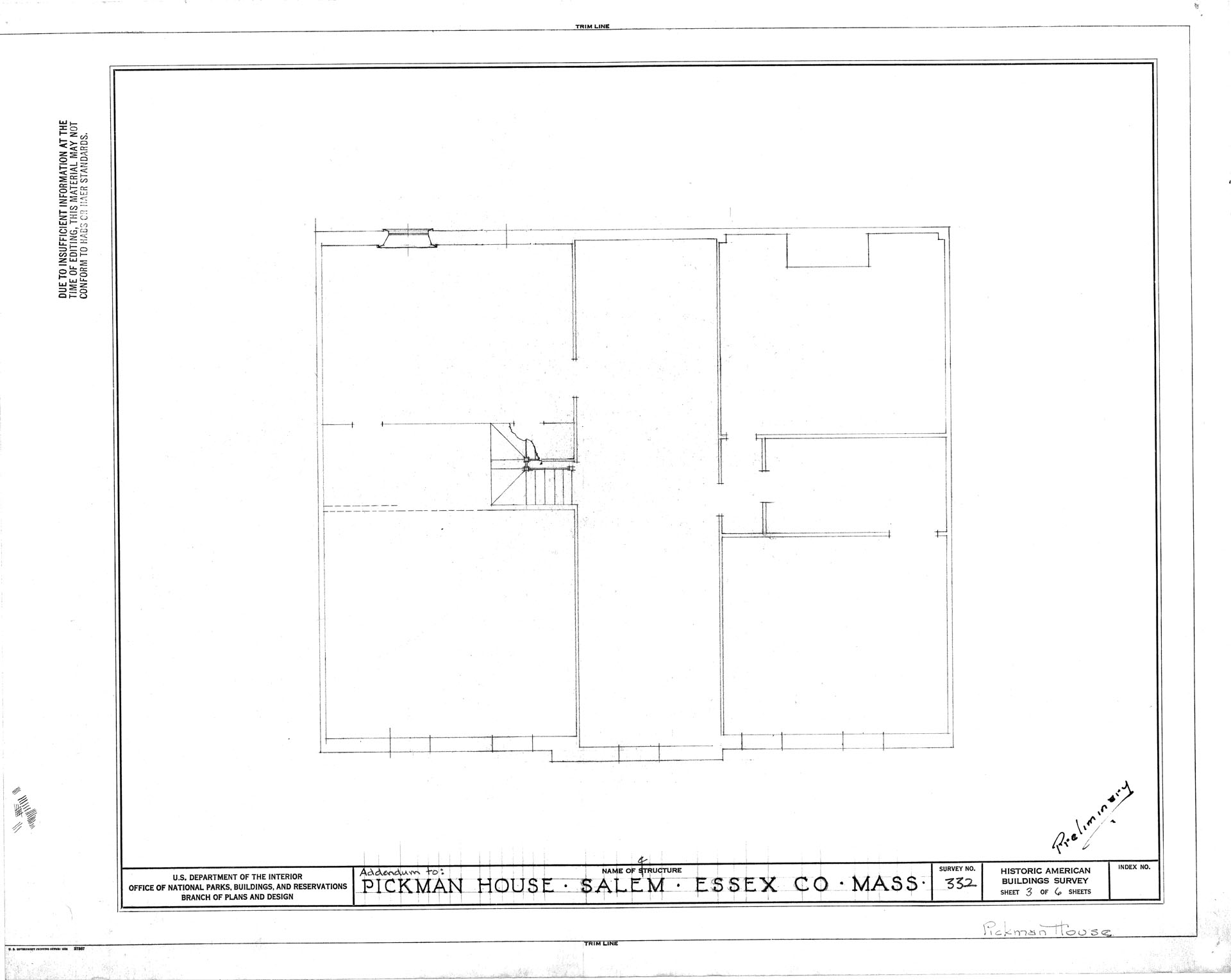
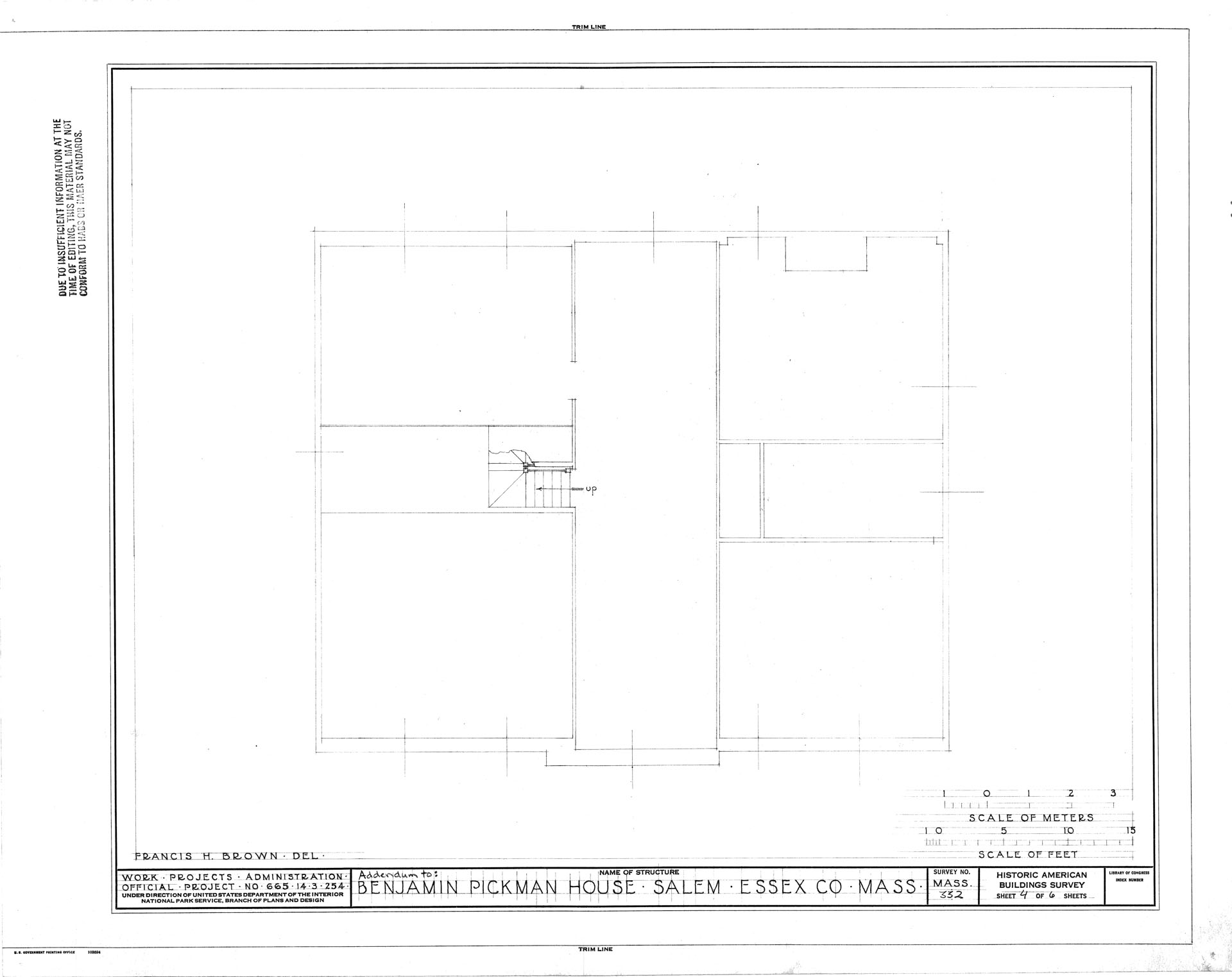
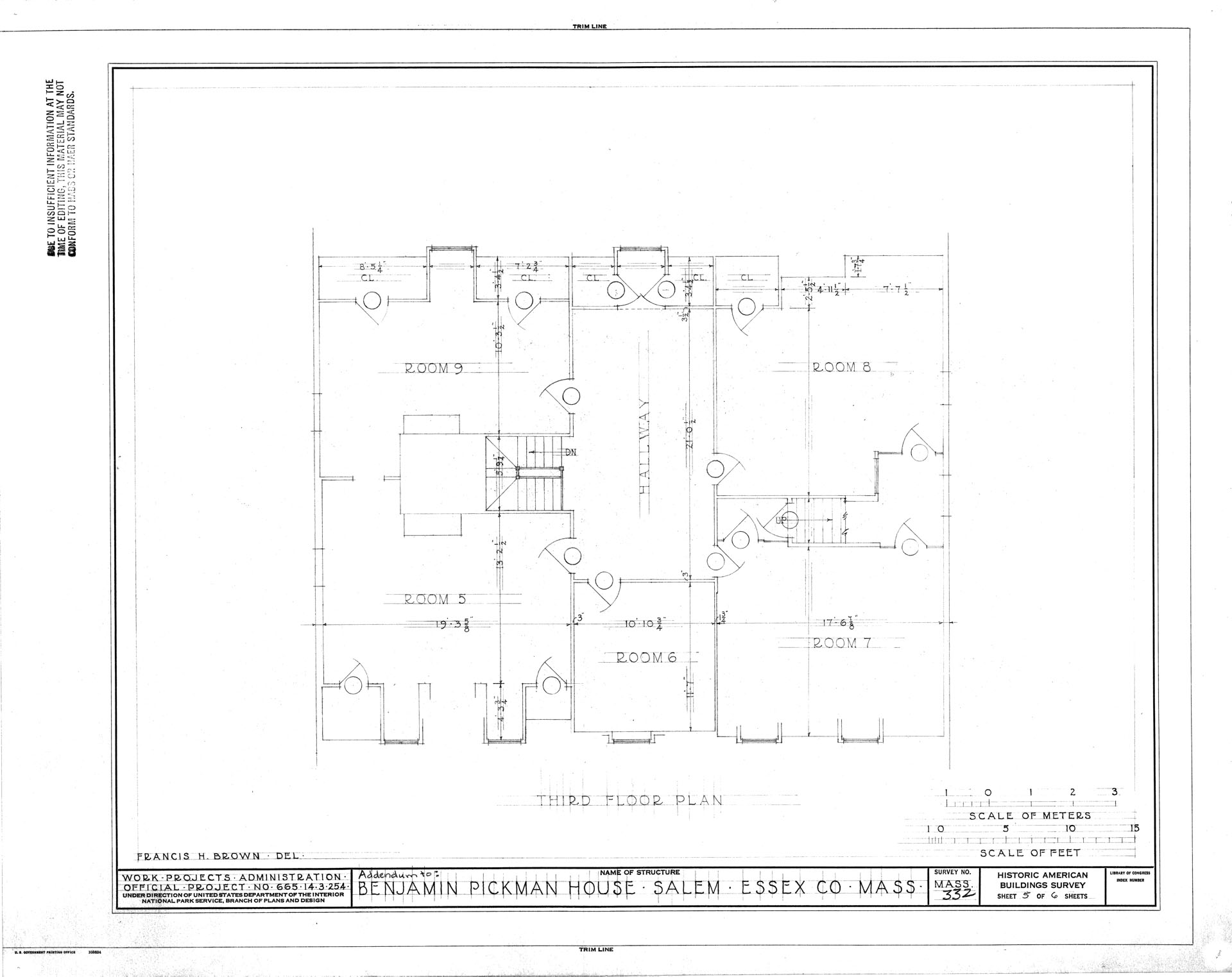
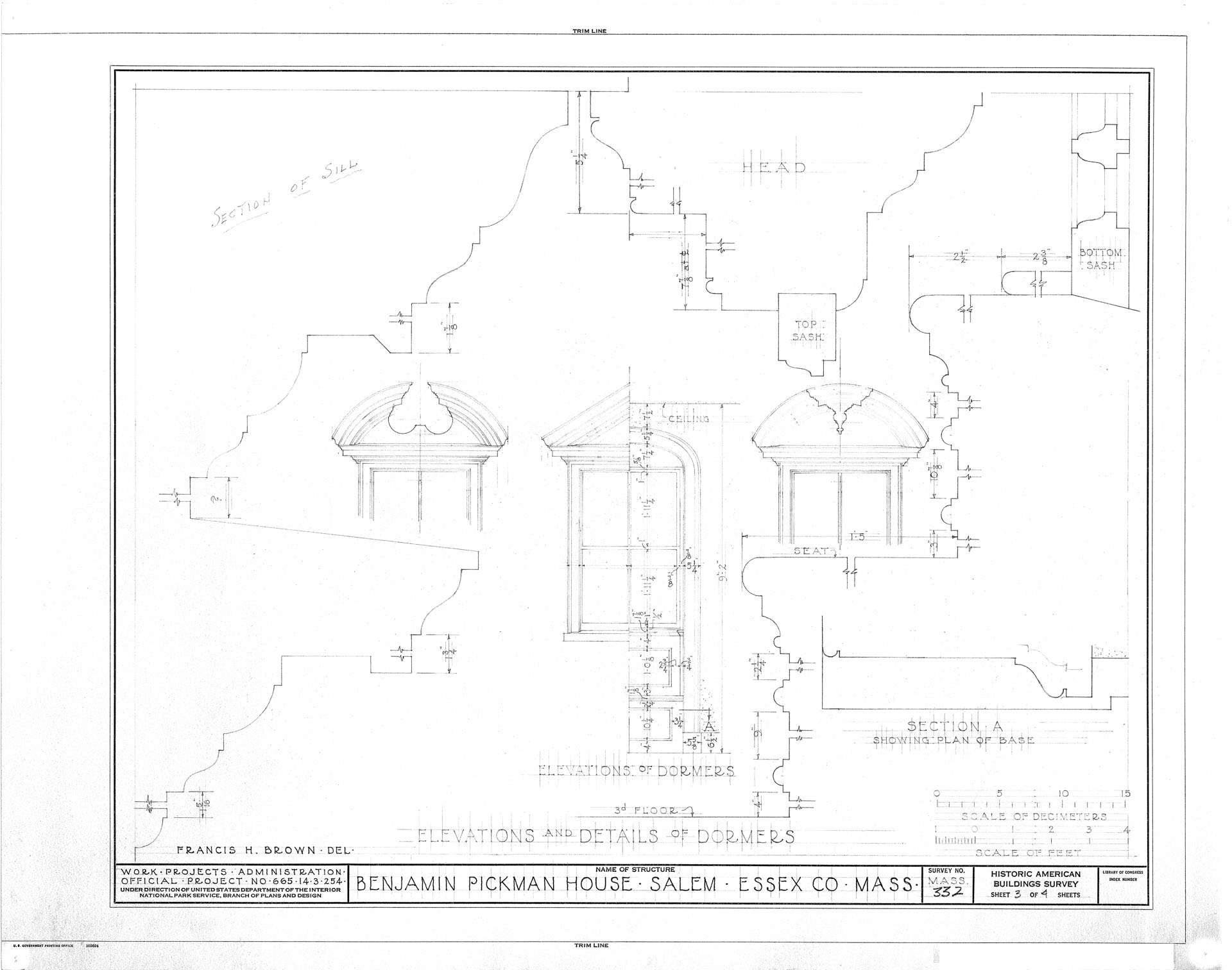
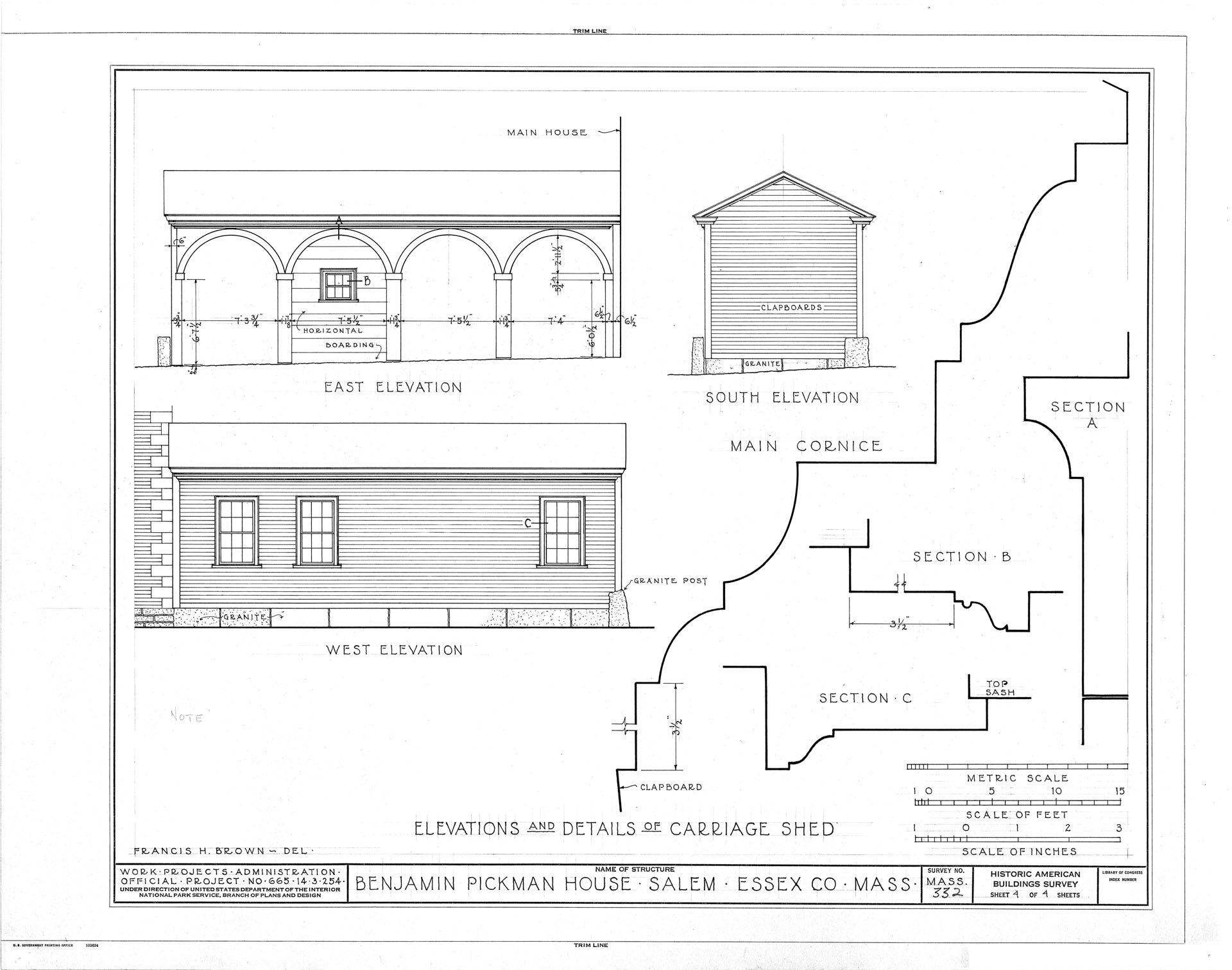
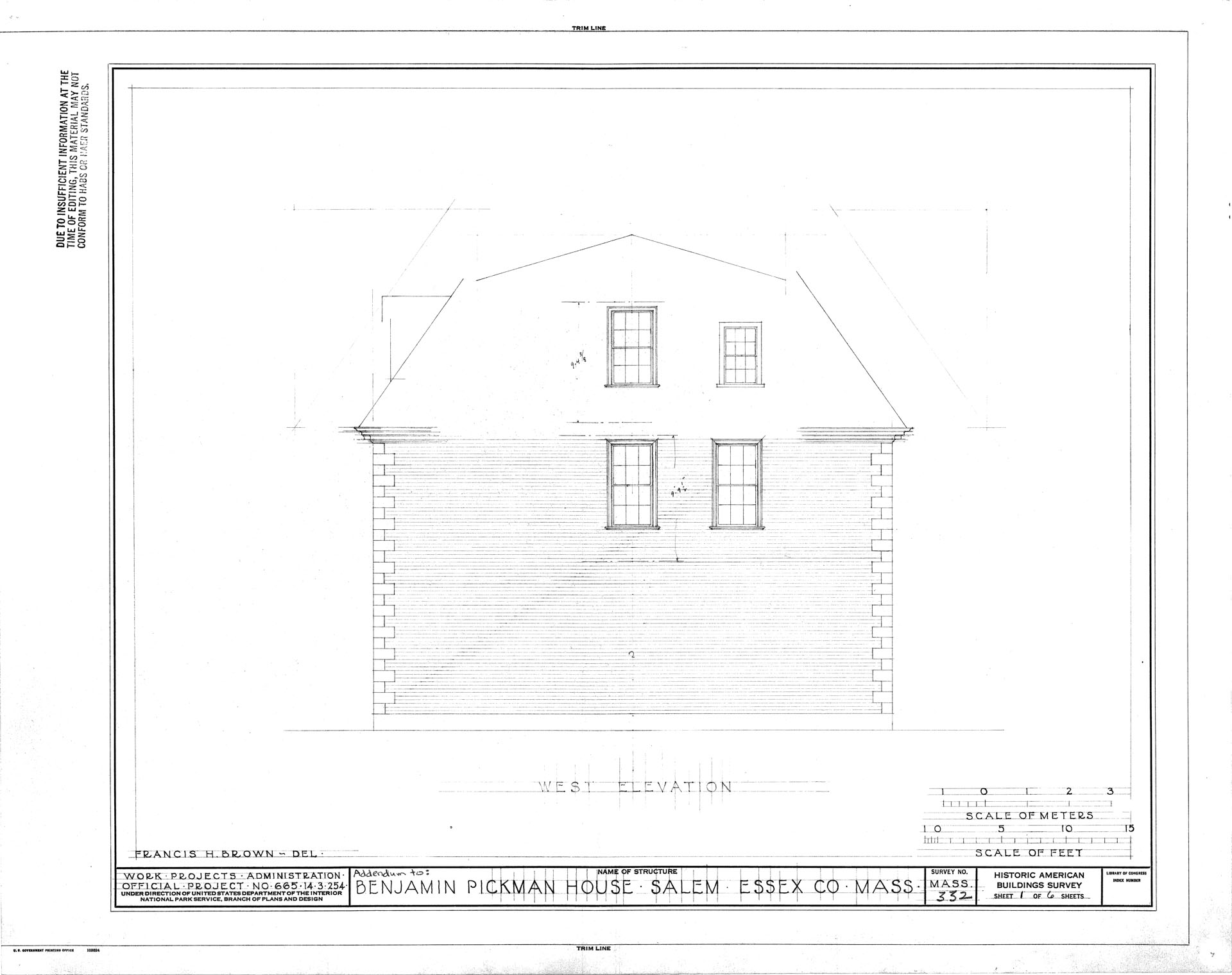
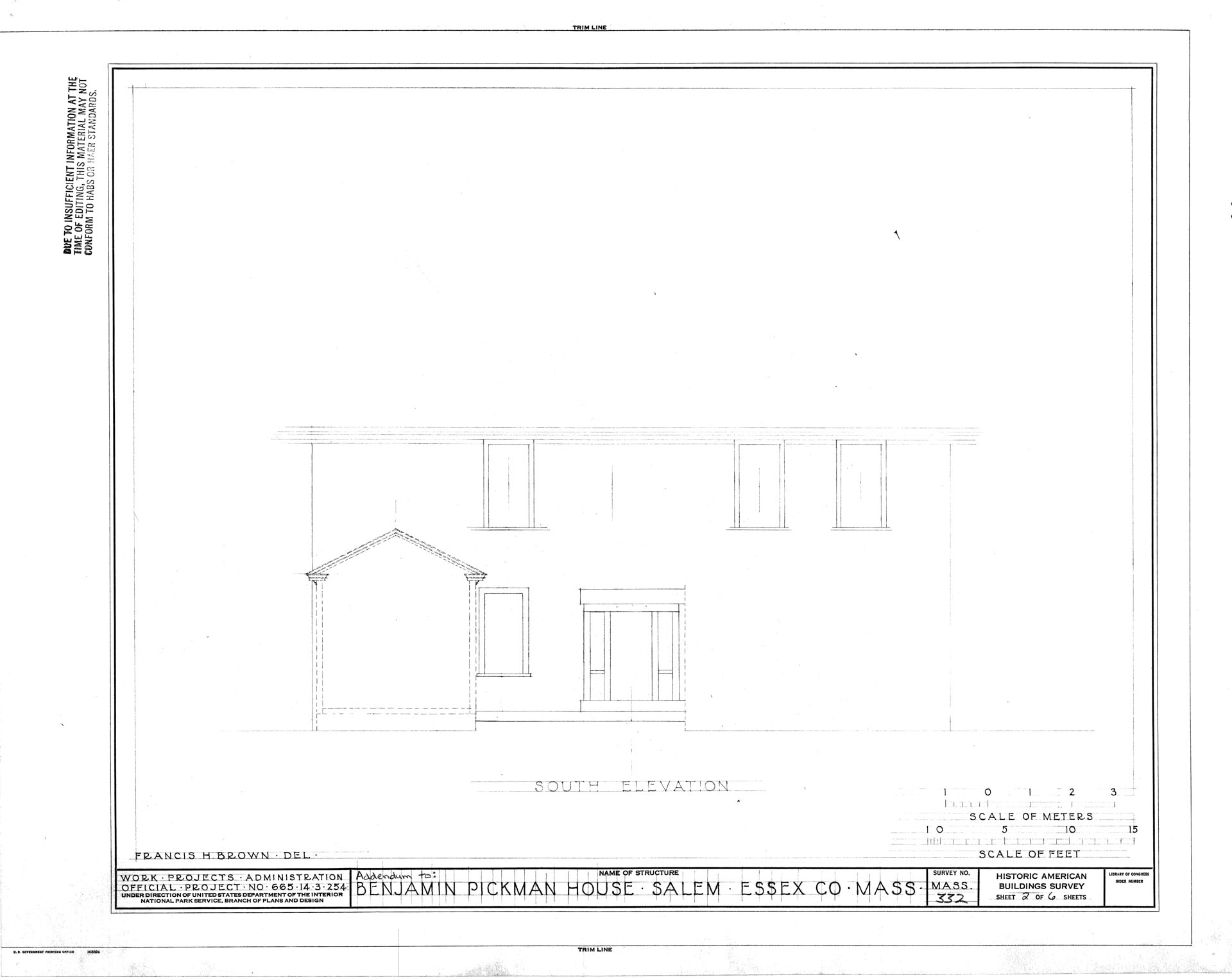
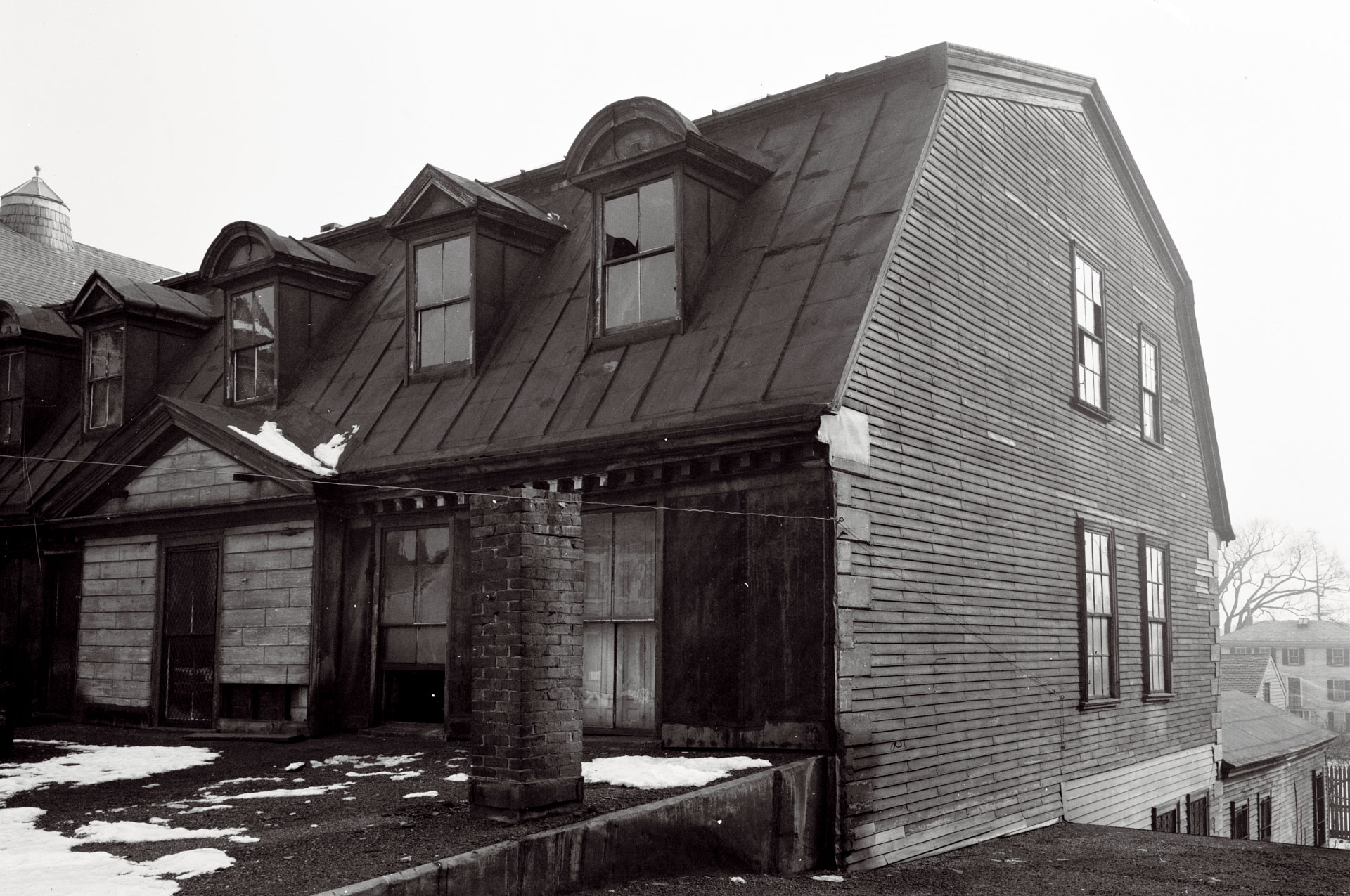
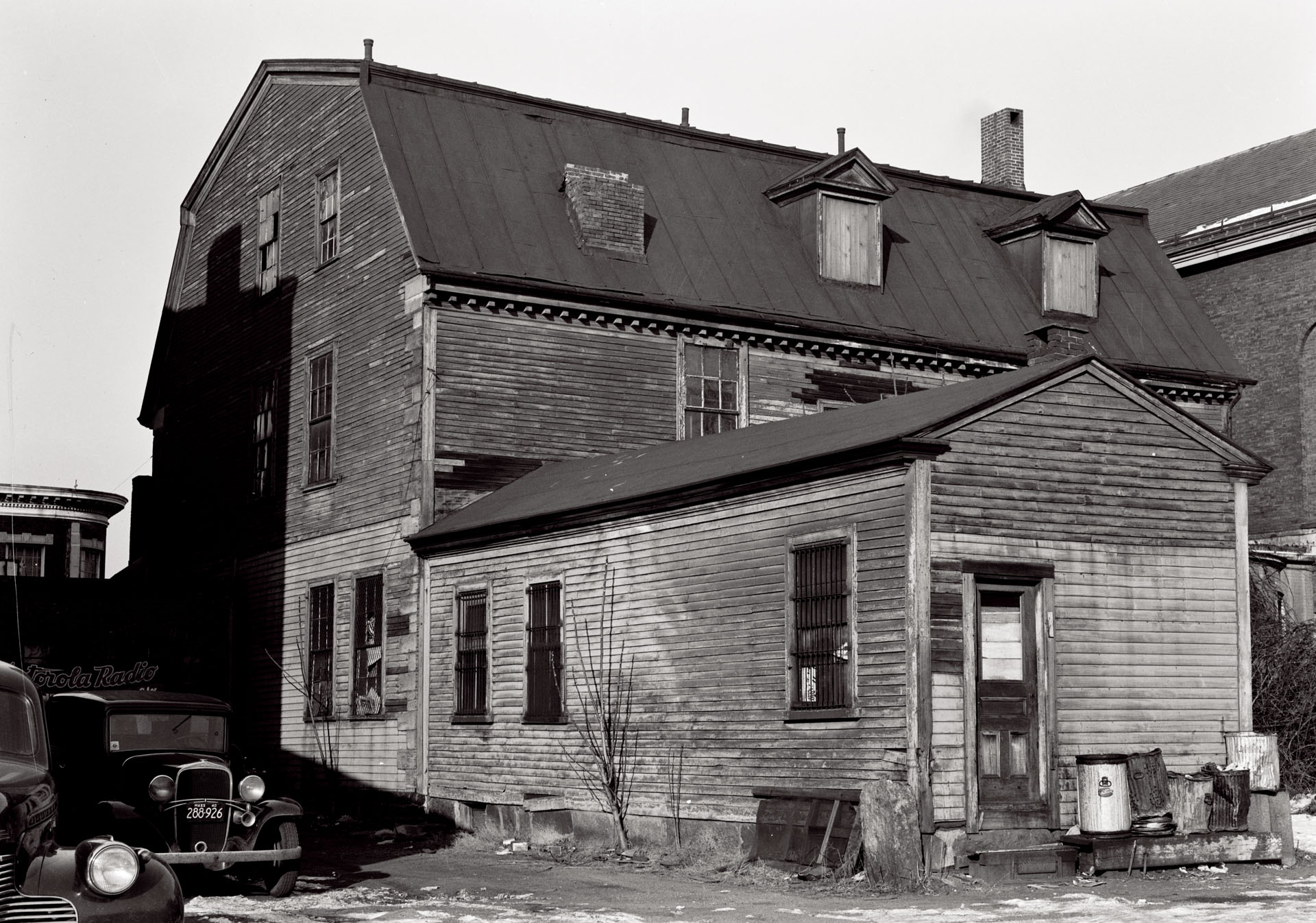
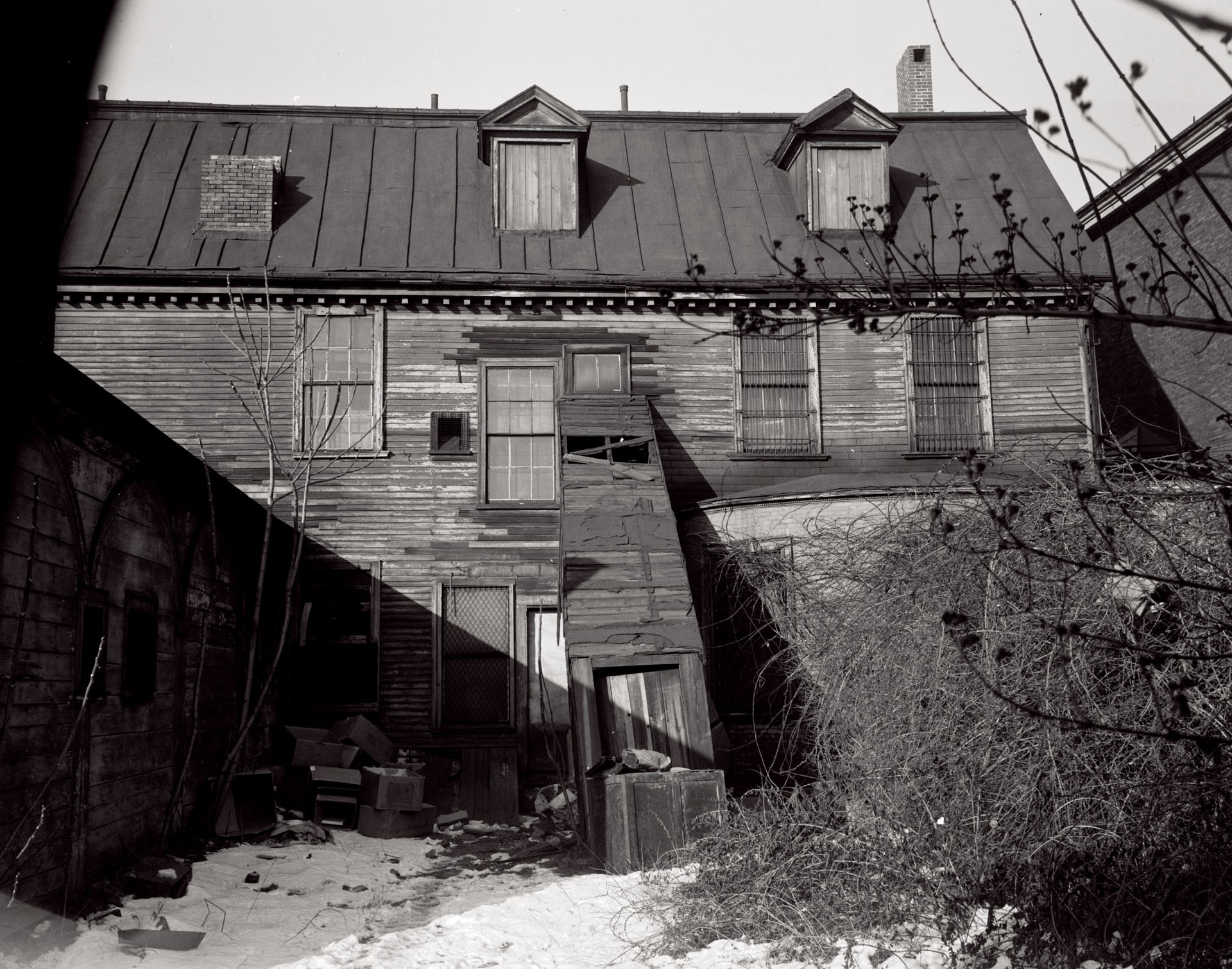
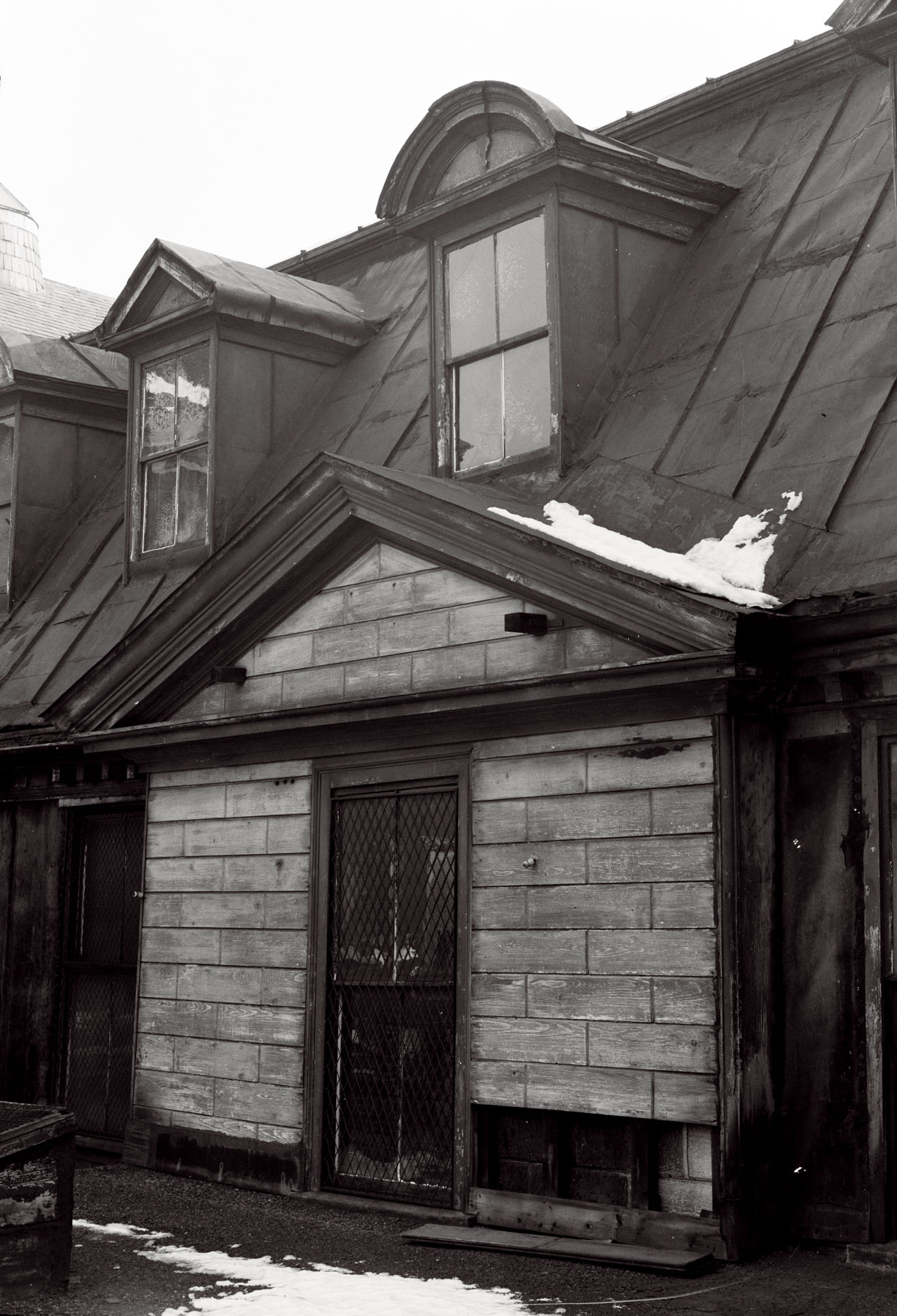
The Benjamin Pickman House occupied 165 Essex Street in Salem, Massachusetts, rising as a distinguished example of First Period colonial architecture in the mid eighteenth century before its demolition in 1941. Though the original structure no longer survives, historic documentation and millwork sketches capture the character of its interior and exterior architectural elements, revealing a residence shaped by centuries of stylistic evolution and preserved through careful restoration drawings. Built around 1750, the house reflected the enduring legacy of early New England timber construction, with an elevation that emphasized robust form and architectural restraint typical of colonial domestic design.
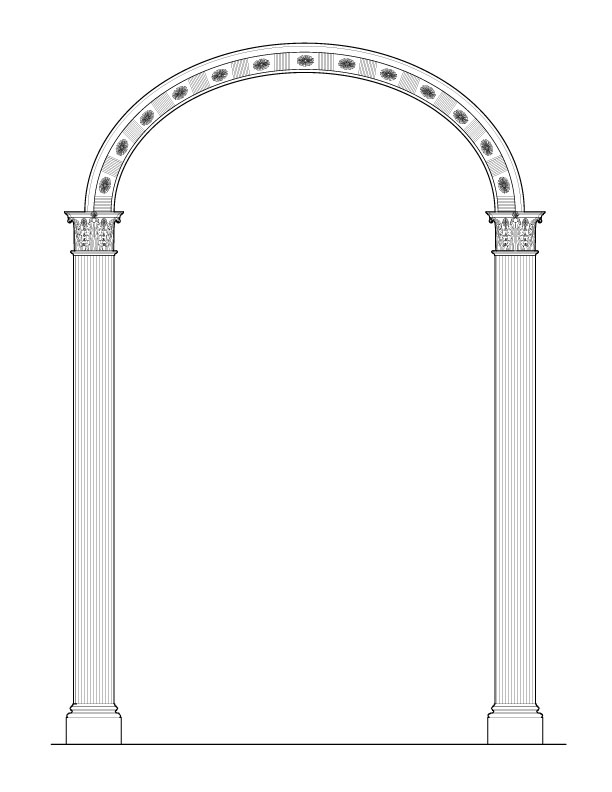
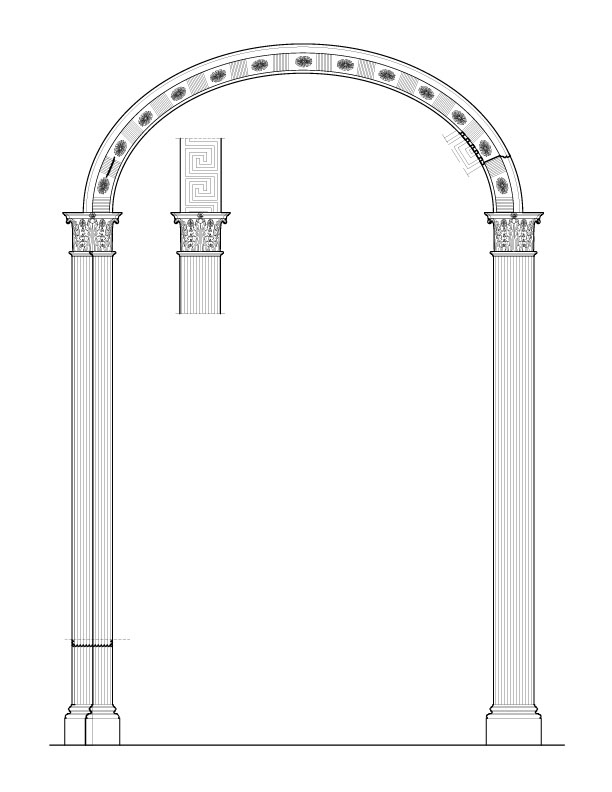
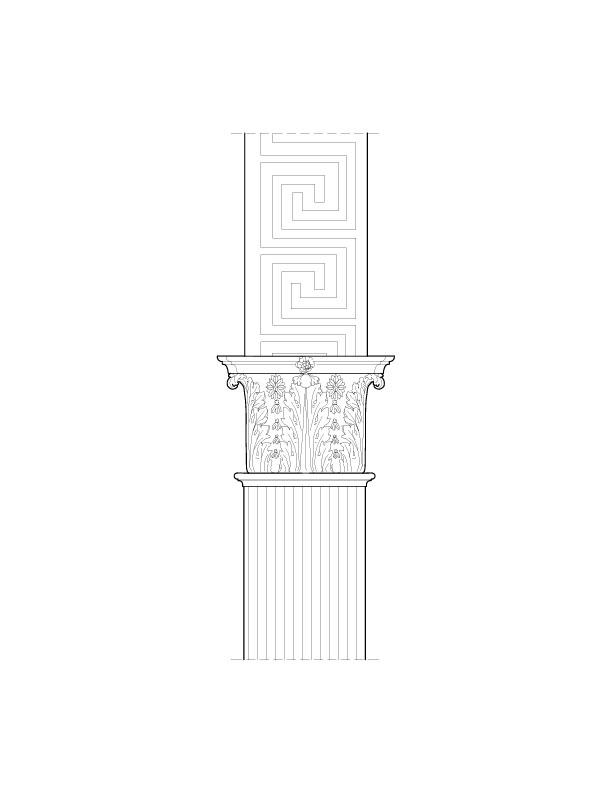
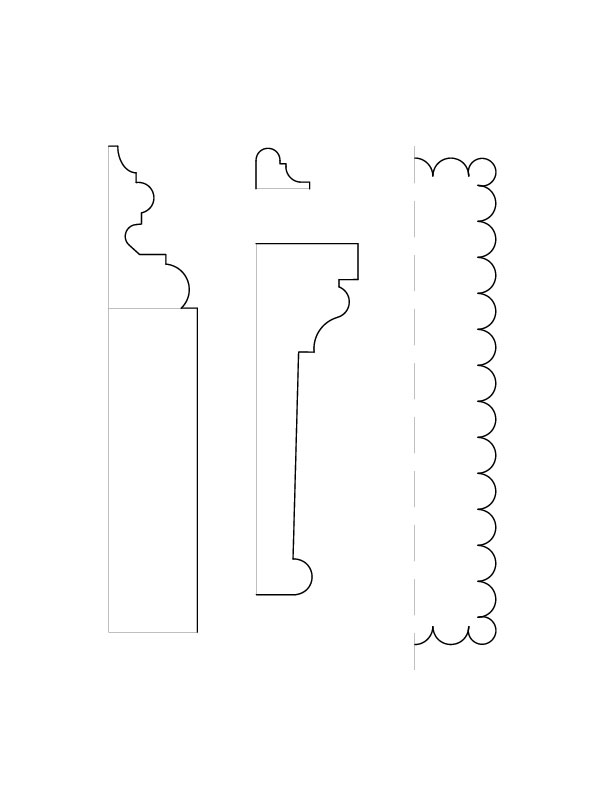
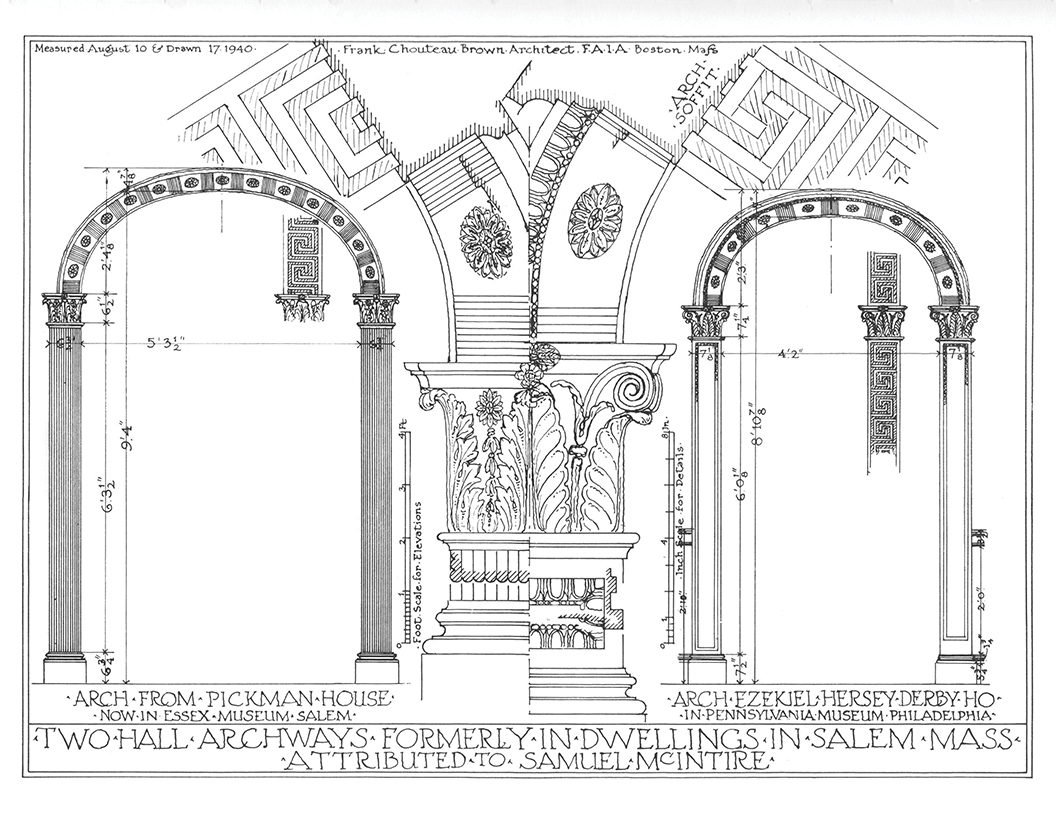
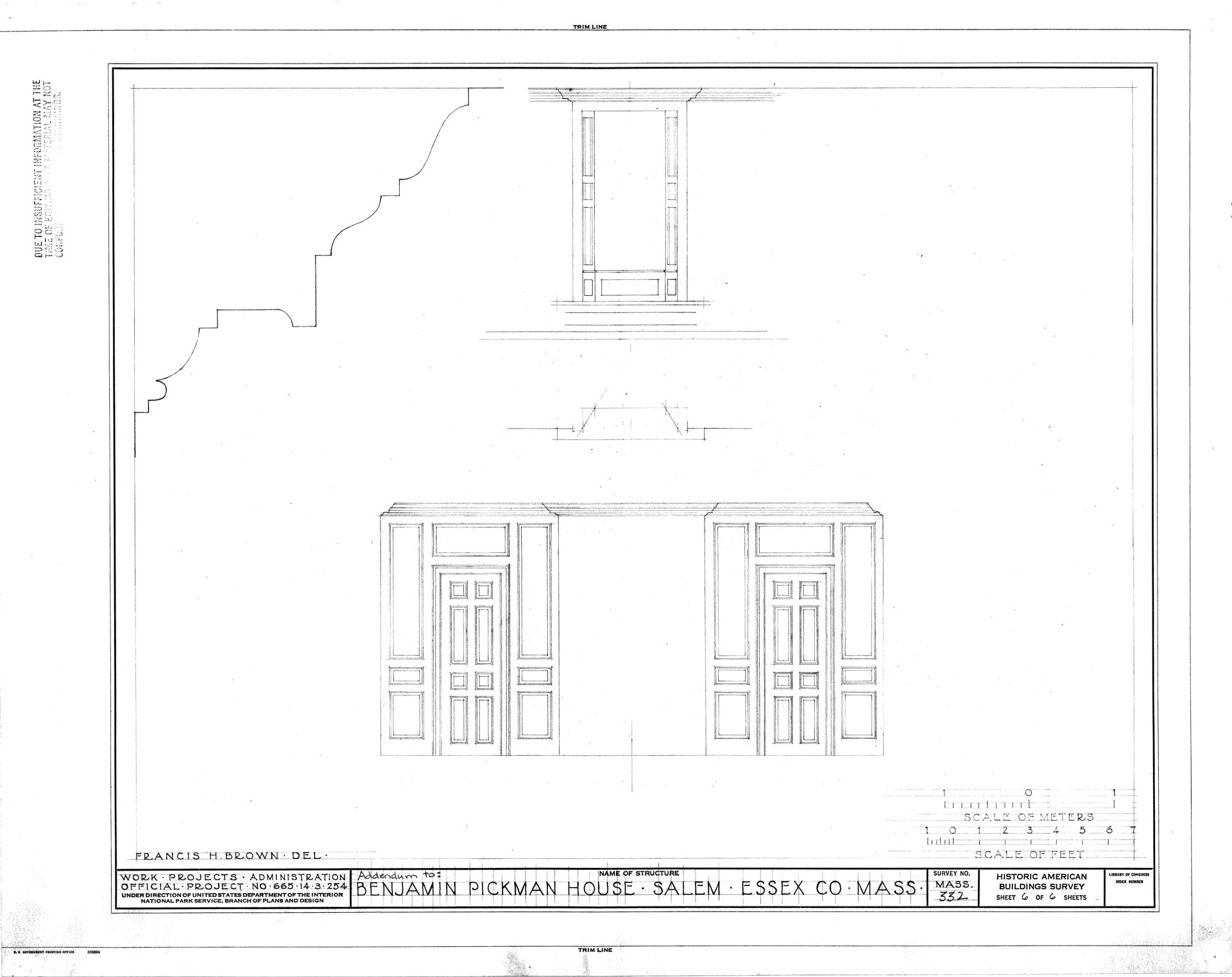
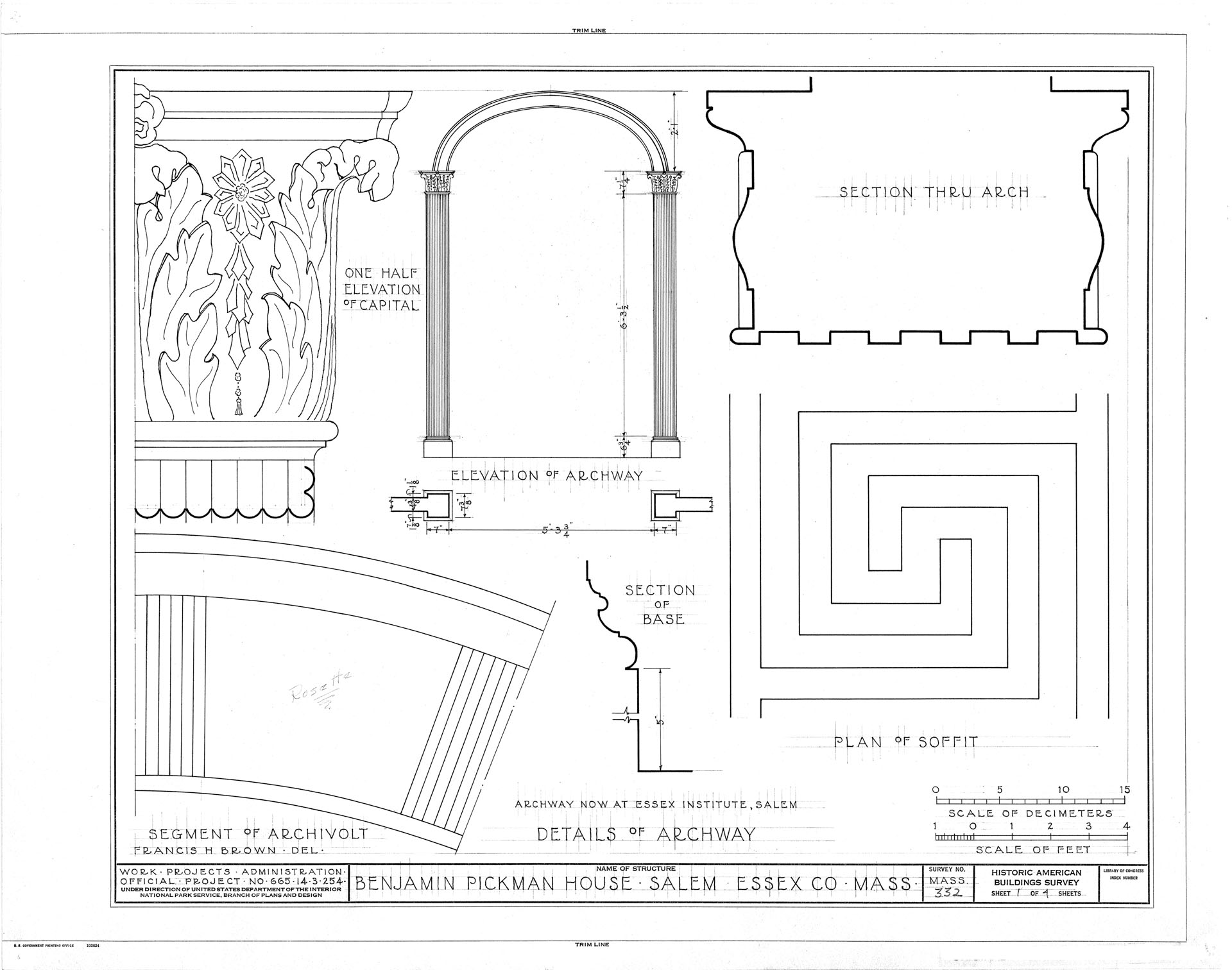
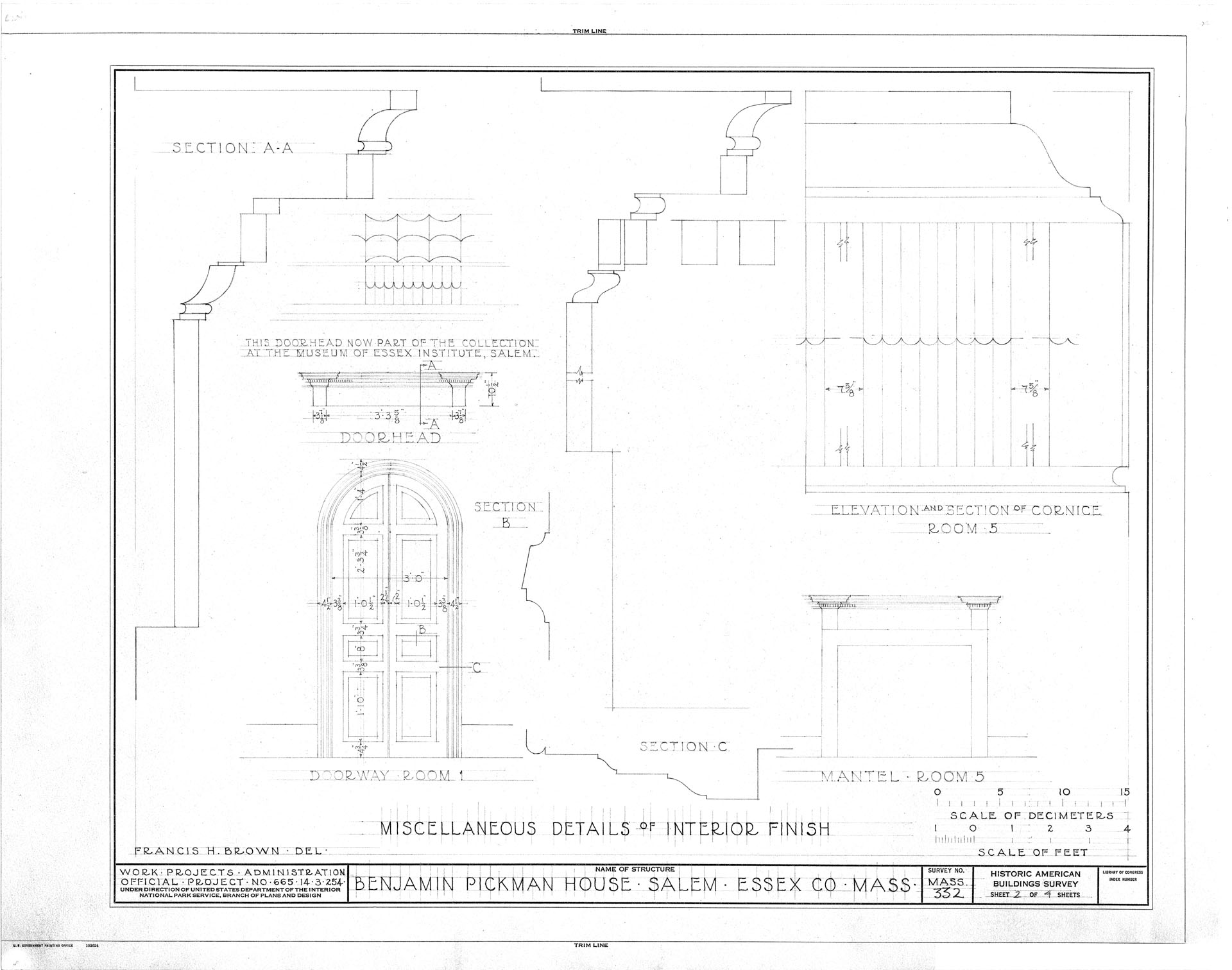
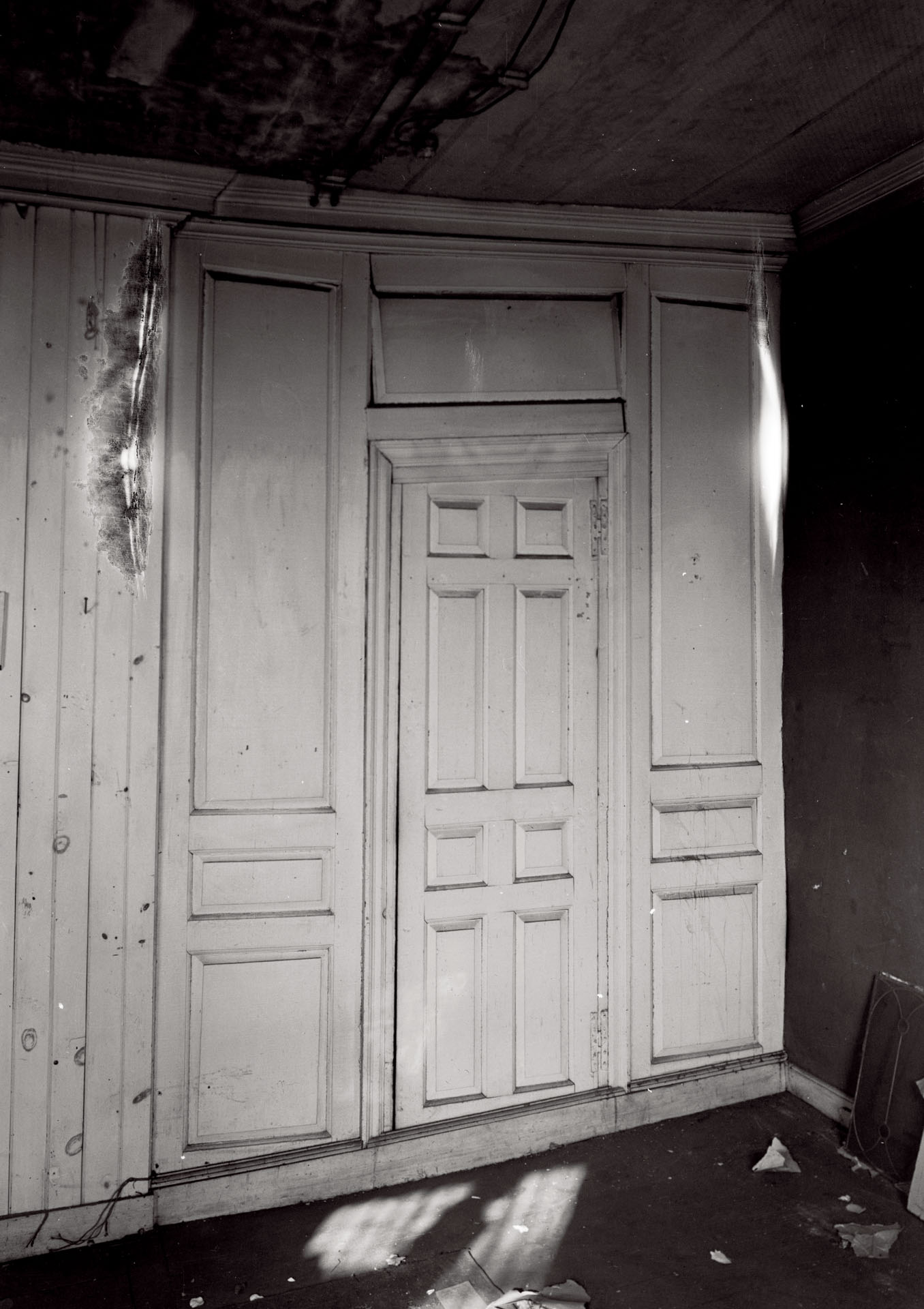
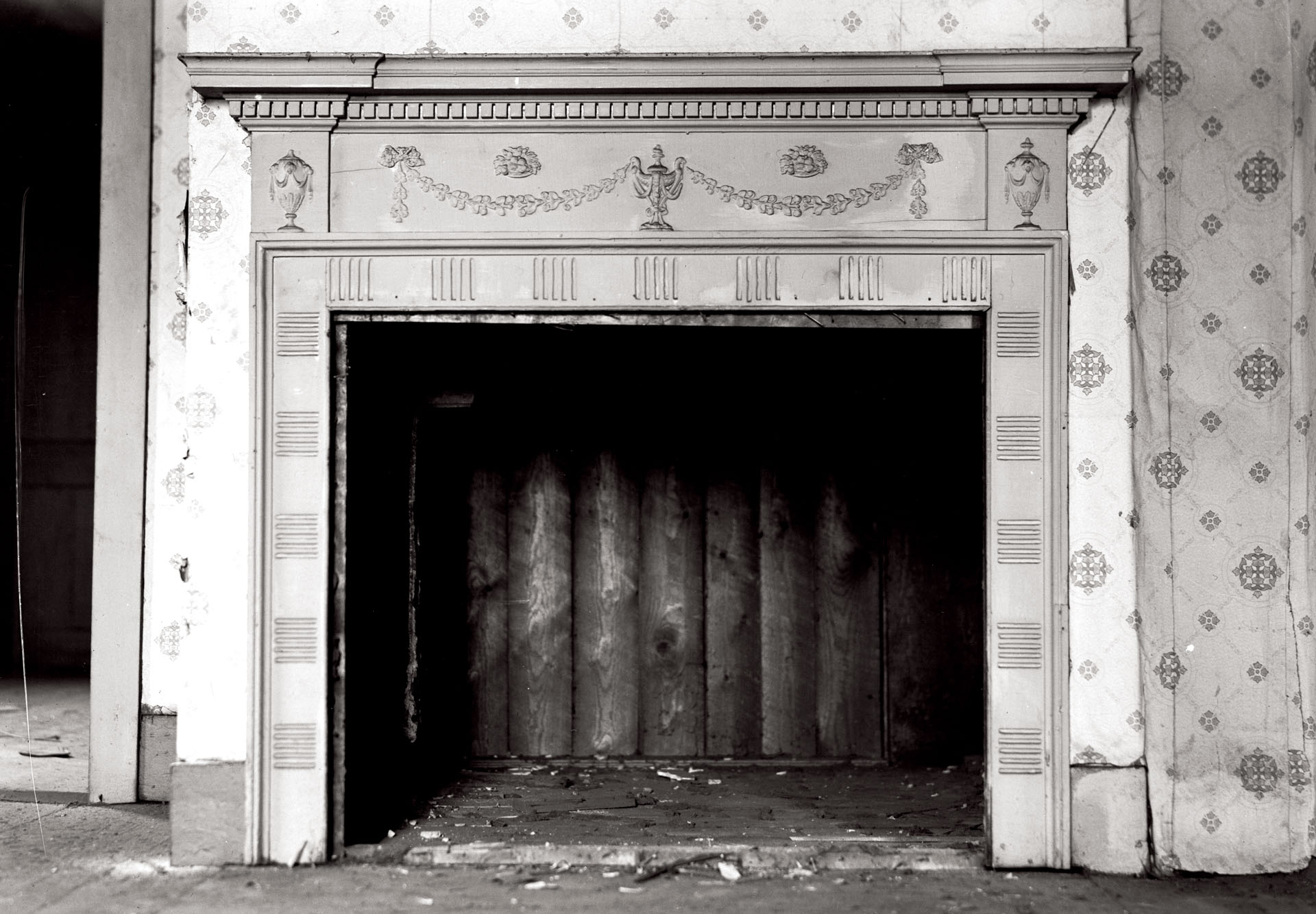
In its arrangement the Benjamin Pickman House exhibited hallmark features of its era: a symmetrical facade articulated through well scaled sash windows and a central entry accented by finely detailed millwork. Interior views and drawings show a gracious hall leading into principal living spaces defined by substantial timber framing and archways into adjoining rooms. The millwork revealed in surviving photographs and gallery sketches documents the refinement colonial craftsmen brought to entrances and passageways, elements that provided measured ornament without compromising structural clarity. Mouldings and casings introduce a measured transition between pragmatic framing and the emerging Georgian vocabulary of the time, where proportion and rhythm began to shape how spaces were experienced.
Historically, the house belonged to the broader narrative of Salem’s early maritime world and its deeply rooted families. While exact scientific dating for this particular dwelling has not been published, the nearby Samuel Pickman House on Charter Street, another First Period residence dating to the 1660s, underscores the architectural continuity within the Pickman lineage. That earlier structure, preserved behind the Peabody Essex Museum, remains one of the oldest surviving wood frame buildings in the region and illustrates traditions that later homes inherited and refined. Today, the drawings and archival photographs of the Benjamin Pickman House serve as invaluable records, preserving the form and spirit of a residence that, though no longer present, continues to shape our understanding of First Period domestic architecture and the evolving sensibilities of early American life.