9 ANDOVER STREET, ANDOVER, ESSEX COUNTY, MASSACHUSETTS
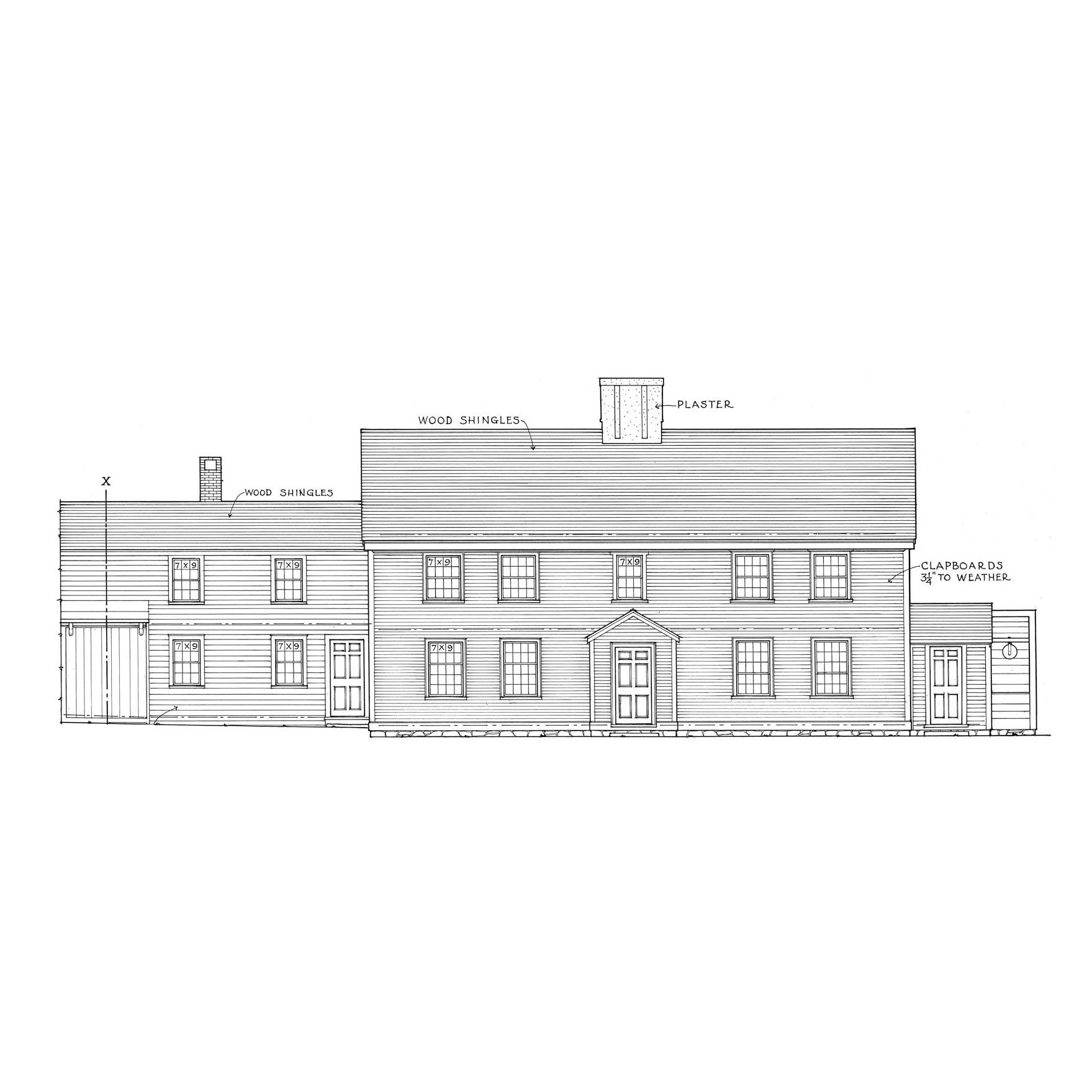
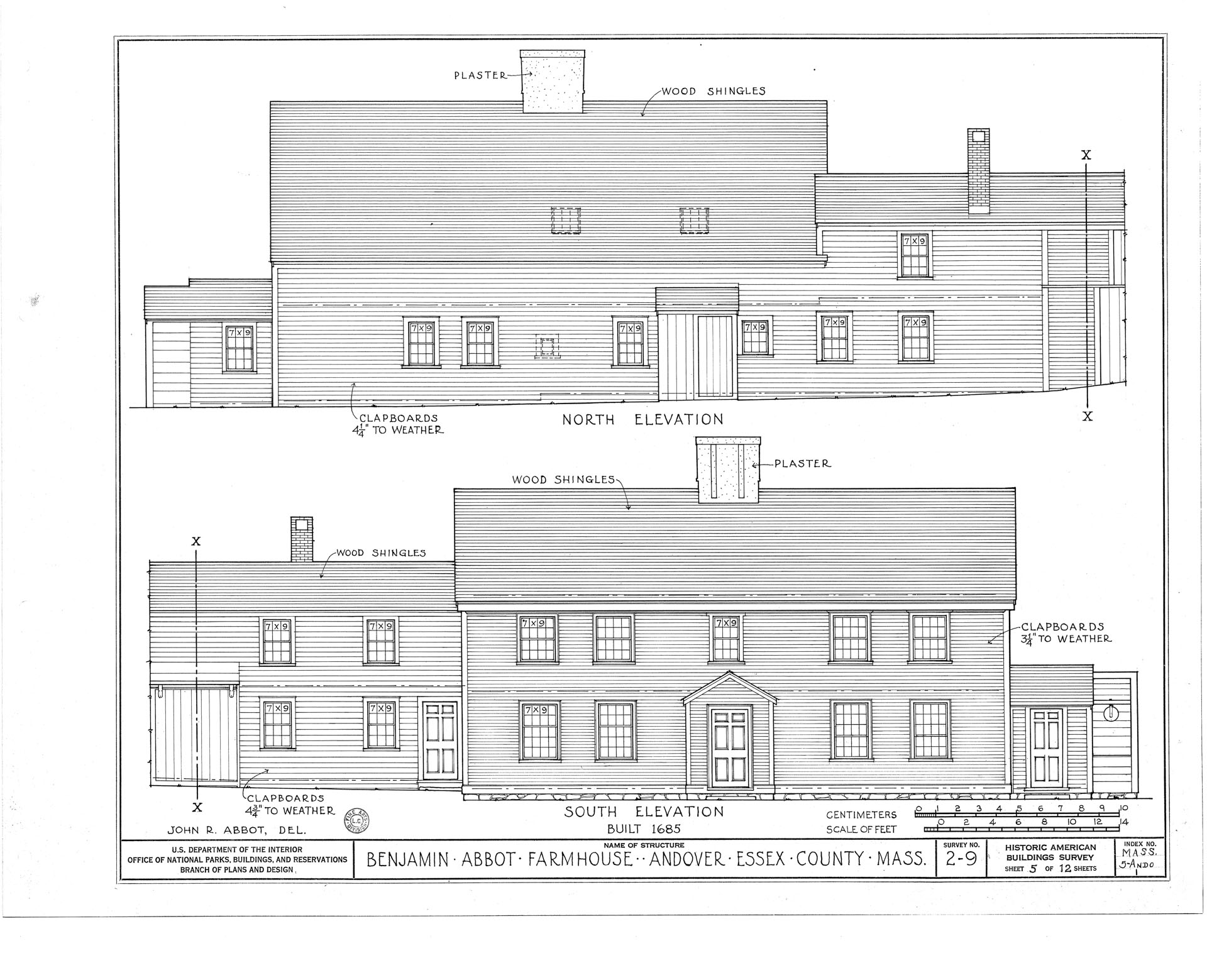
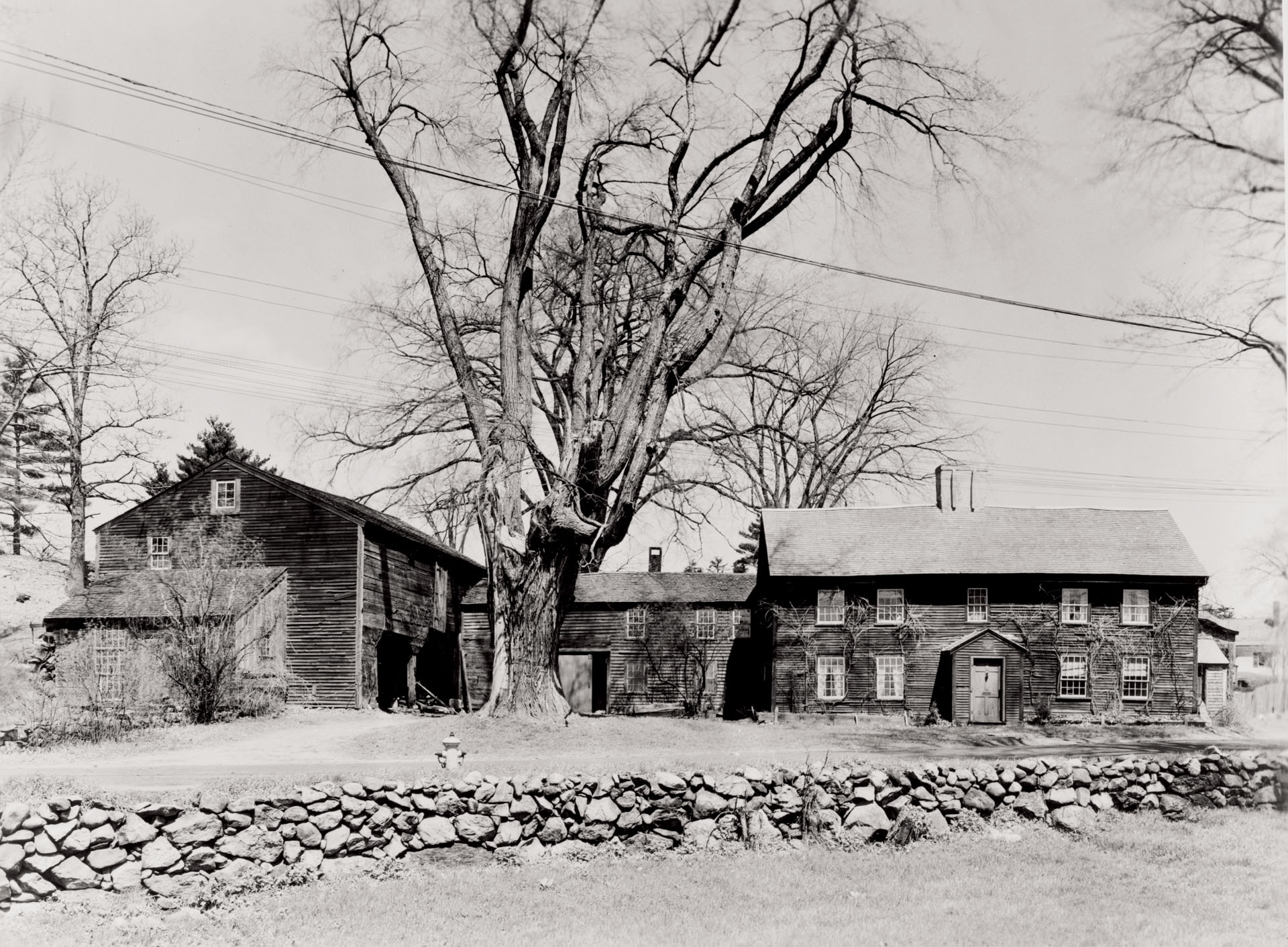
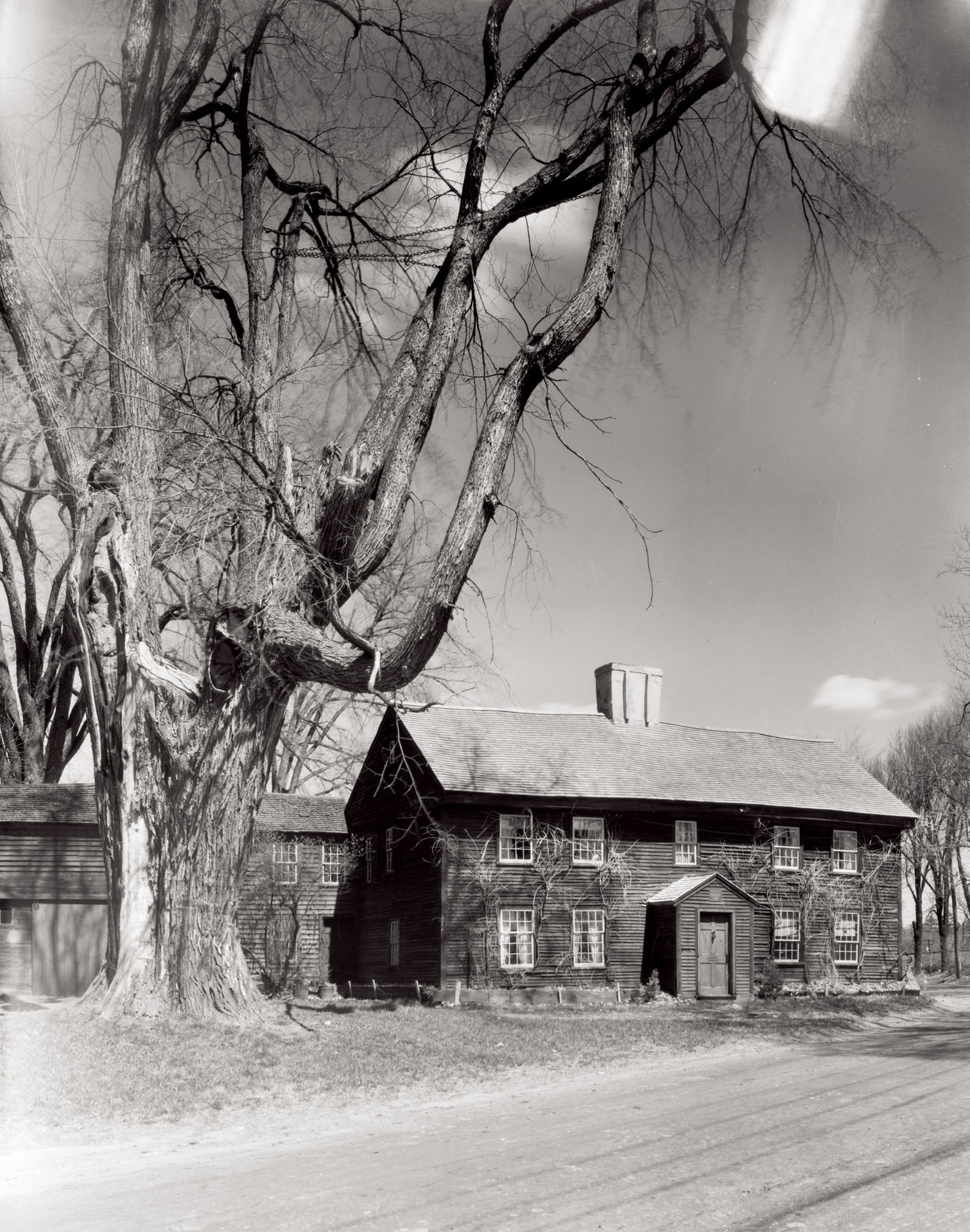
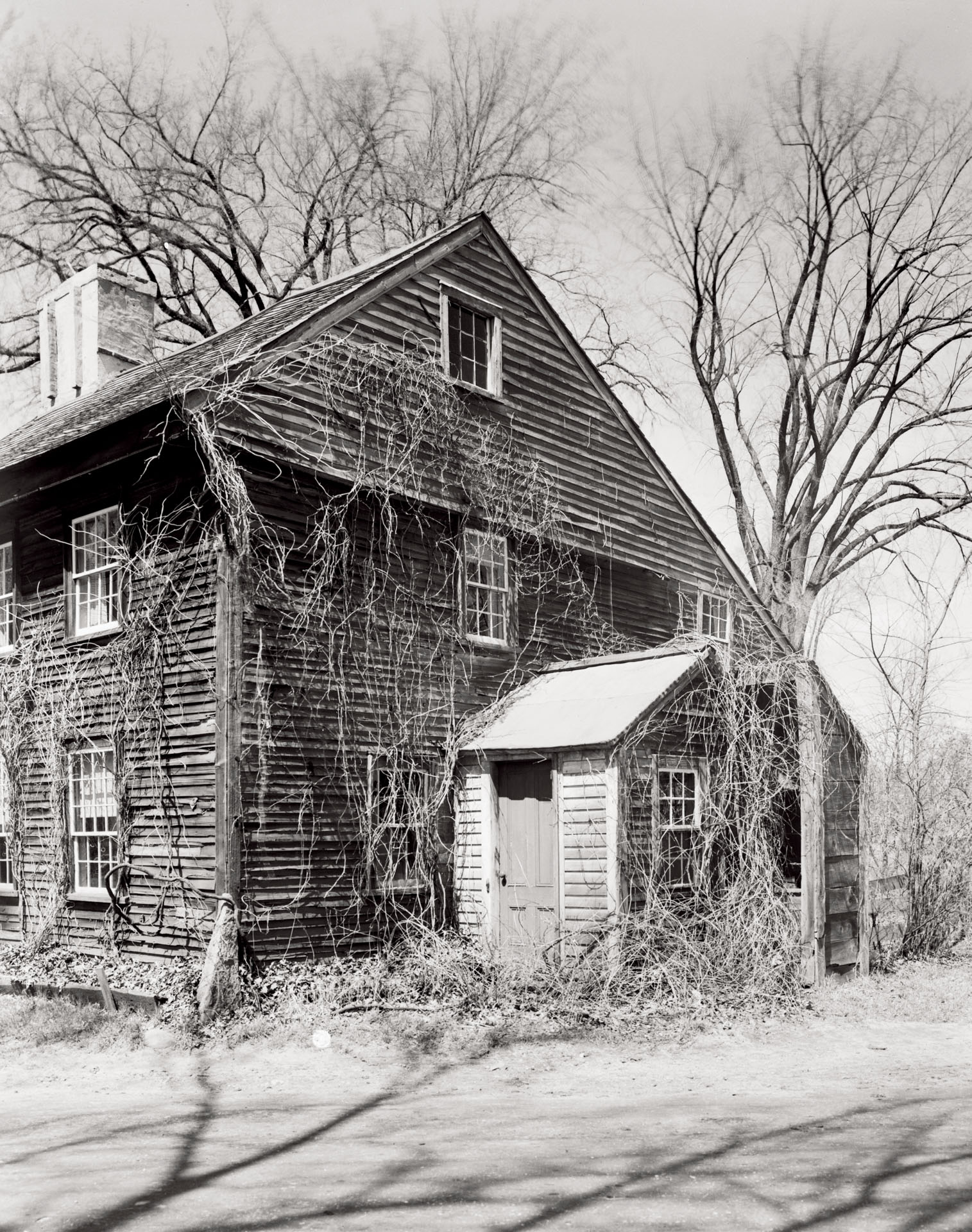
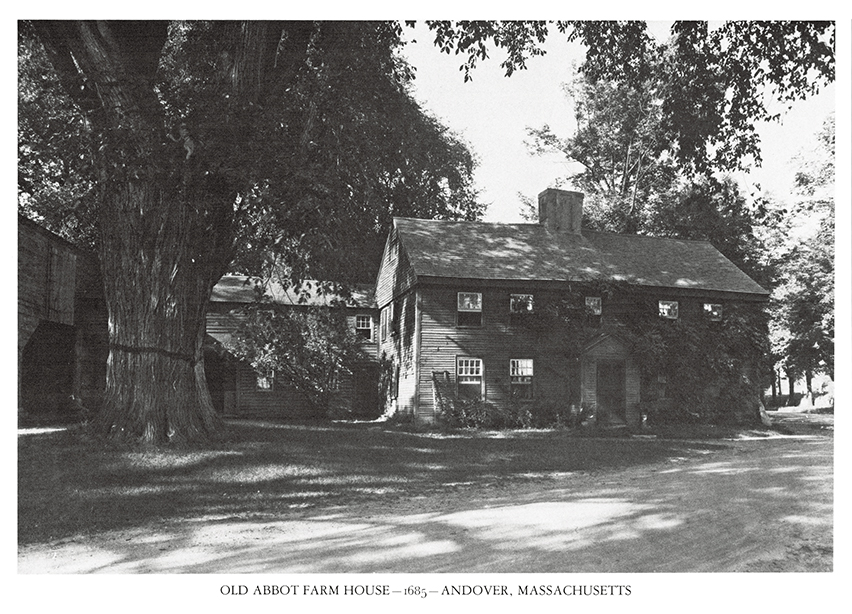
The Benjamin Abbot House at 9 Andover Street in Andover, Massachusetts is one of the oldest surviving structures in New England and stands as a quintessential First Period New England farmhouse, its exterior marked by a steep gable roof, a commanding central chimney, and clapboard that has weathered into soft, muted tones over centuries. A traditional plaque above the front entrance bears the date 1685, commemorating the year Benjamin Abbot, a young carpenter, married Sarah Farnum and established the household. Structural analysis reveals that the main body of the house was framed in 1711, and as additional phases were added over the following decade, beginning at the eastern portion and extending west, the facade eventually settled into a straightforward five bay composition. The original vertical plank front door, secured with wrought iron strap hinges, sits beneath a modest protective vestibule, expressing the practicality that shaped its earliest form.
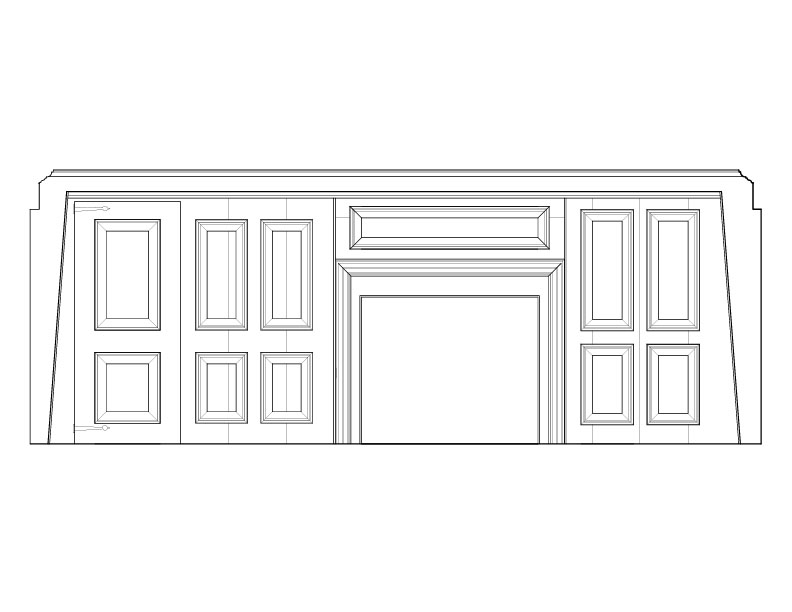
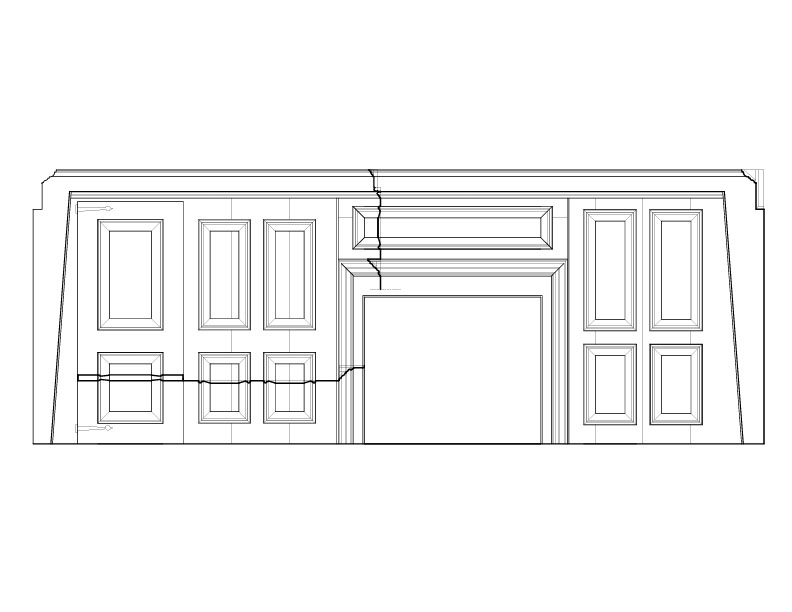
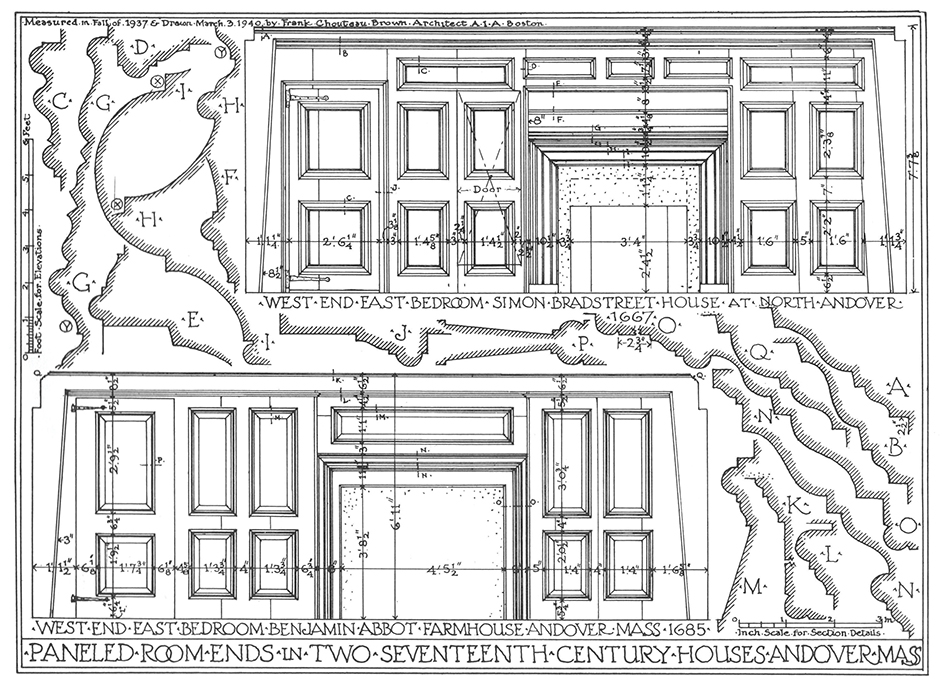
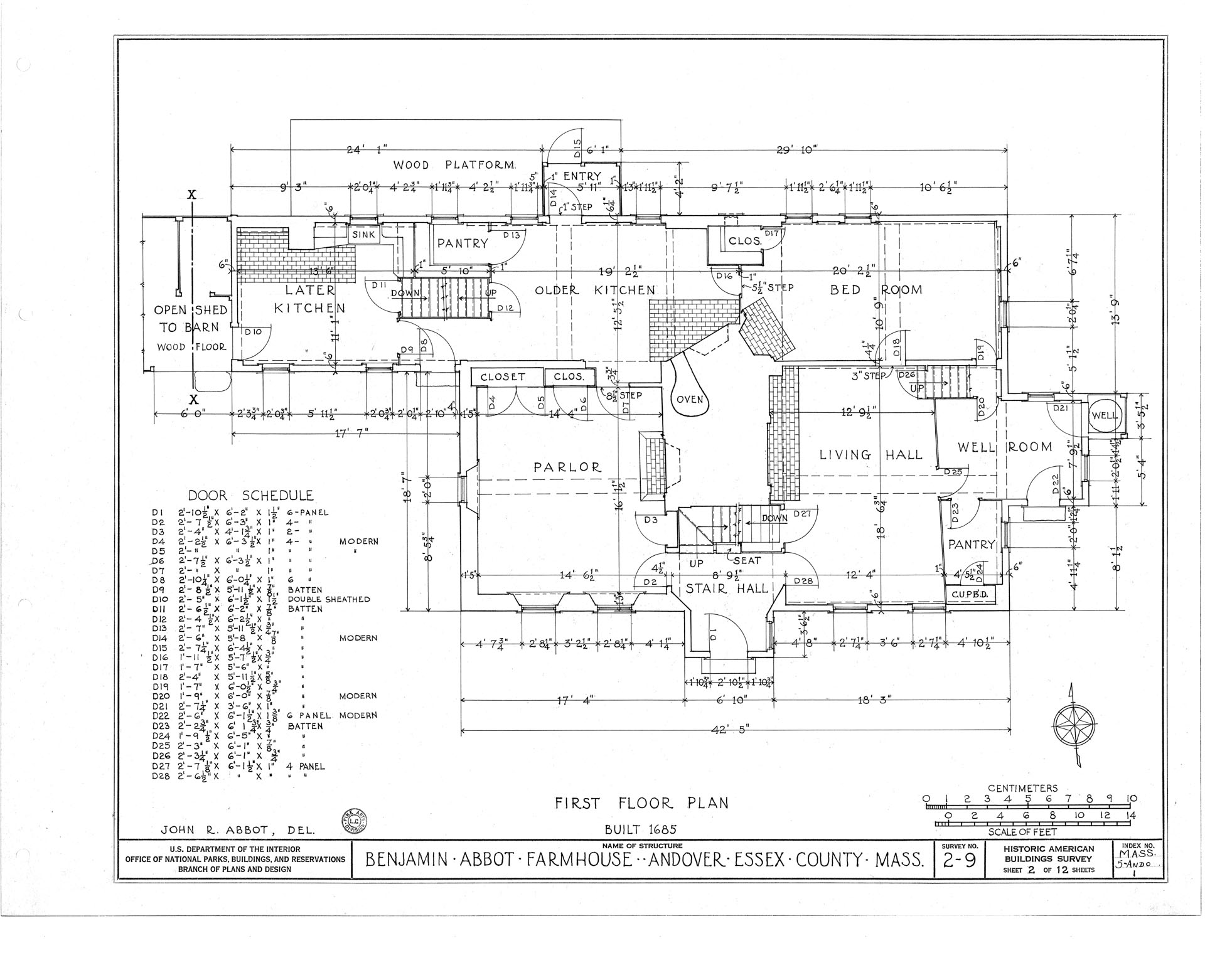
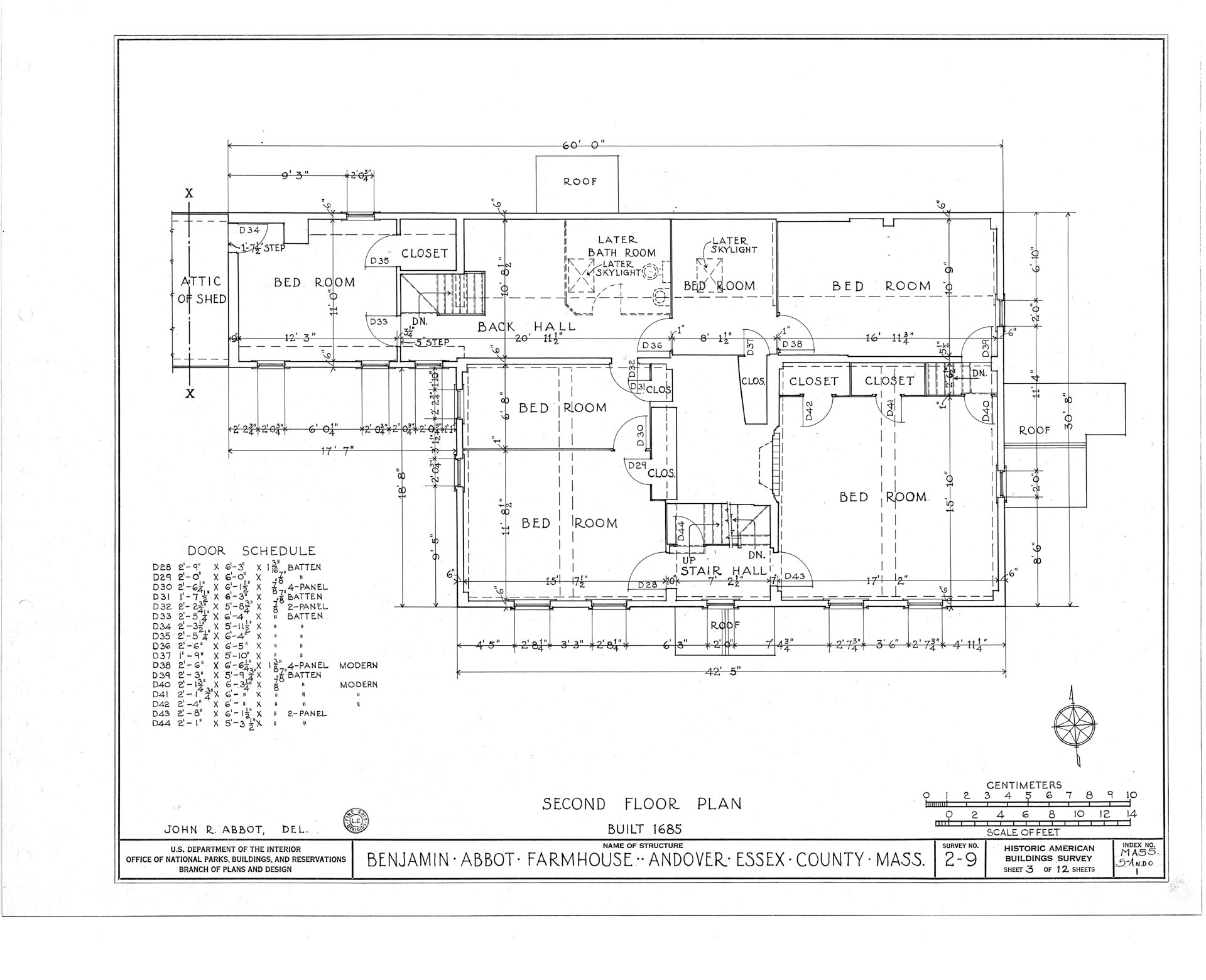
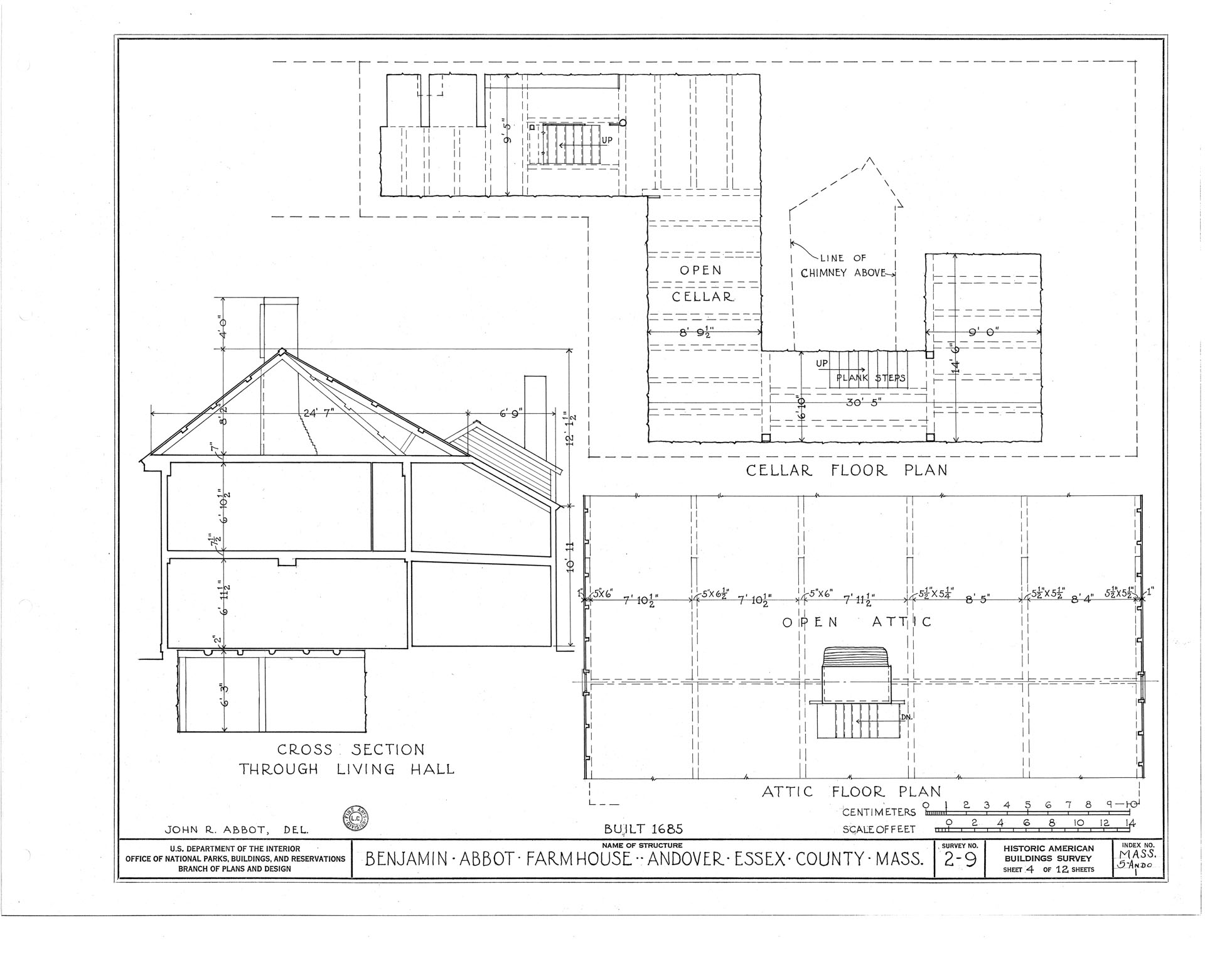
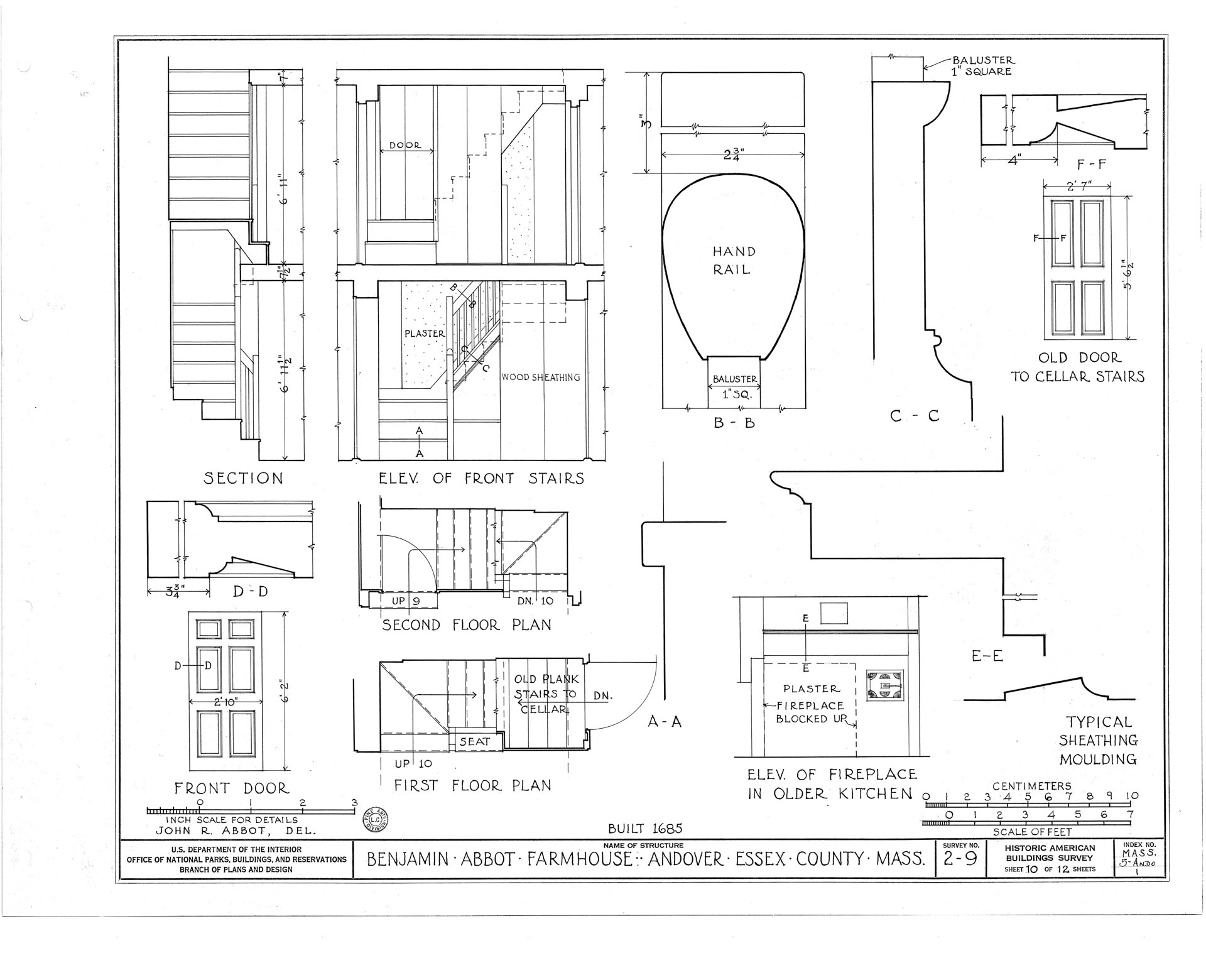
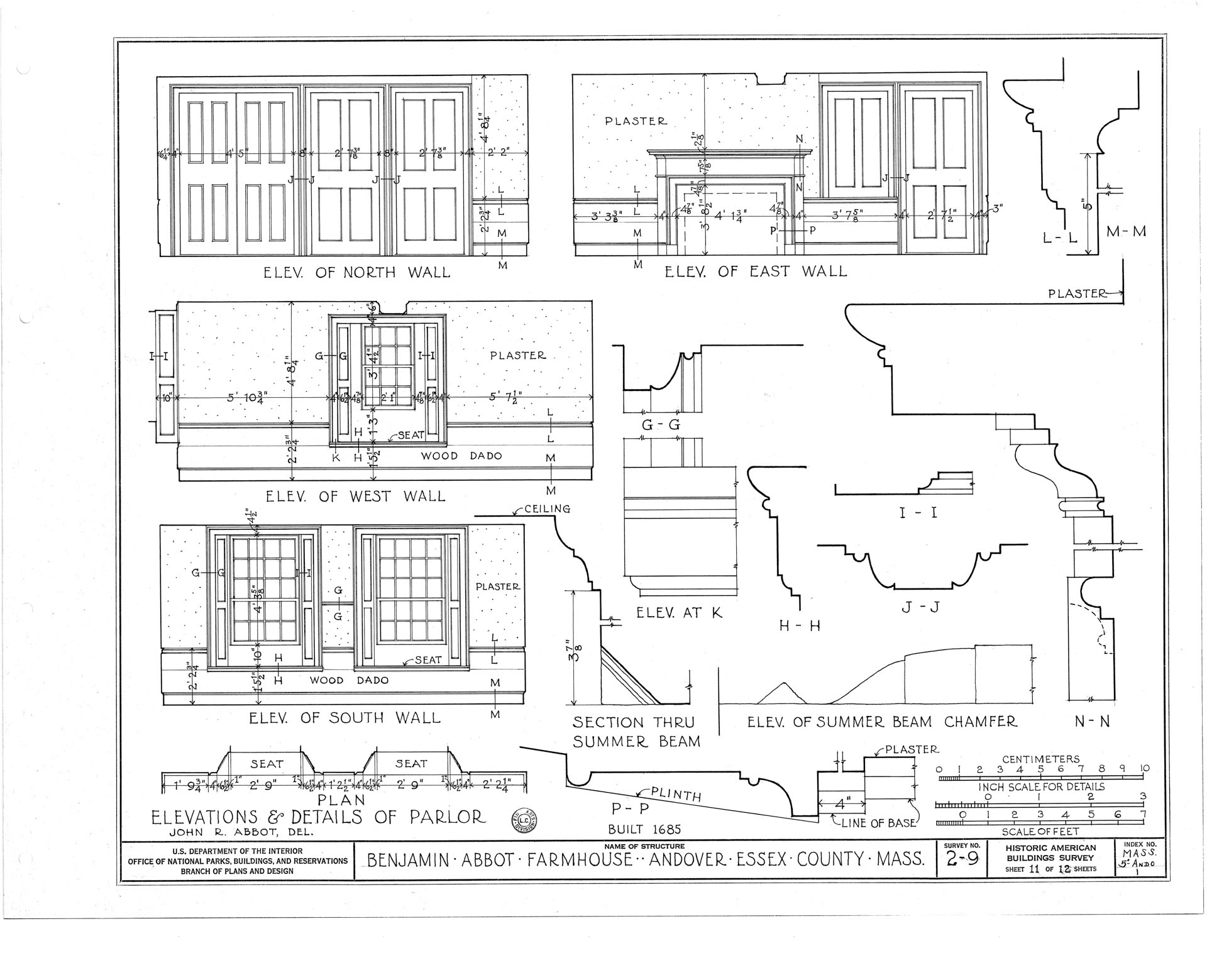
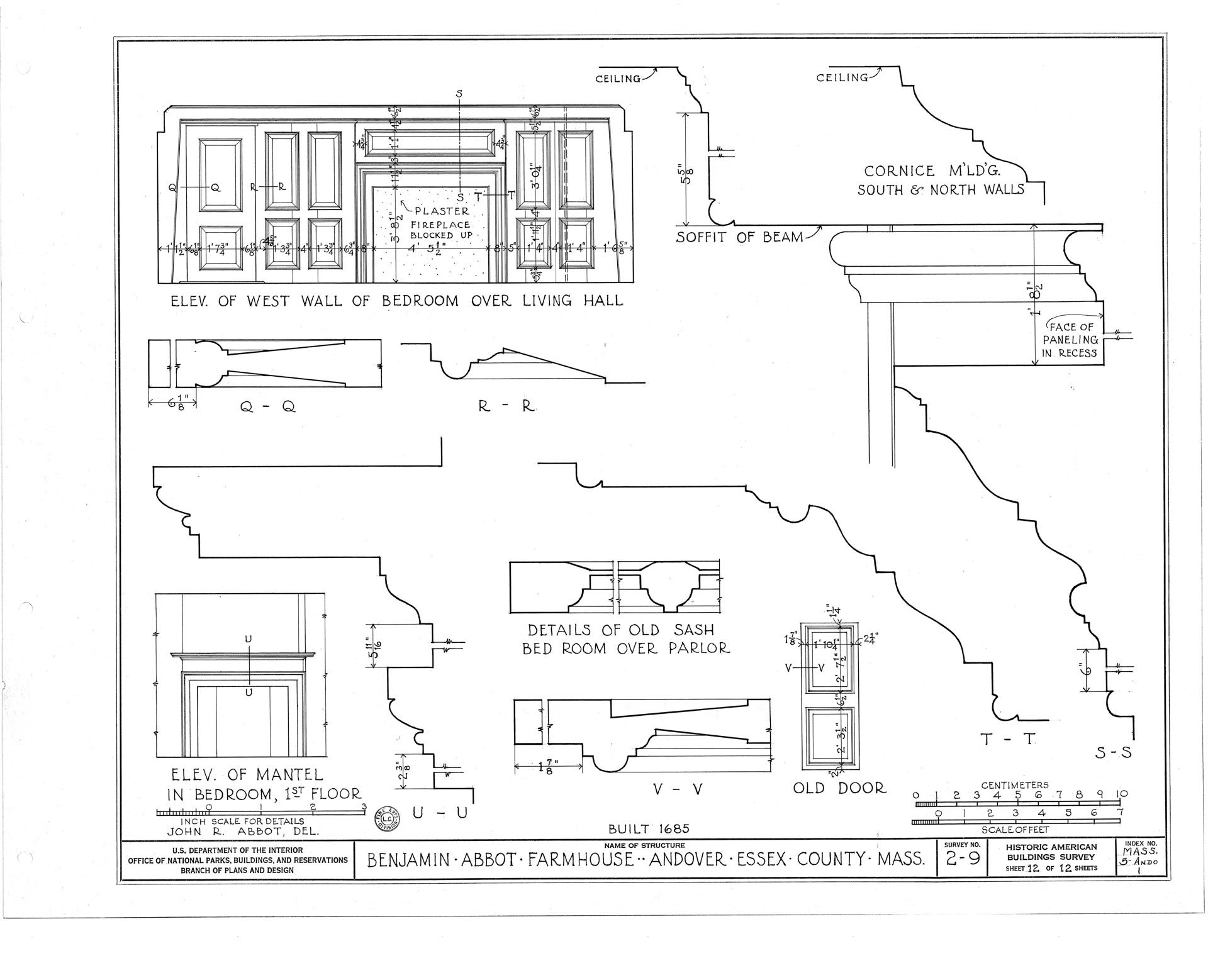
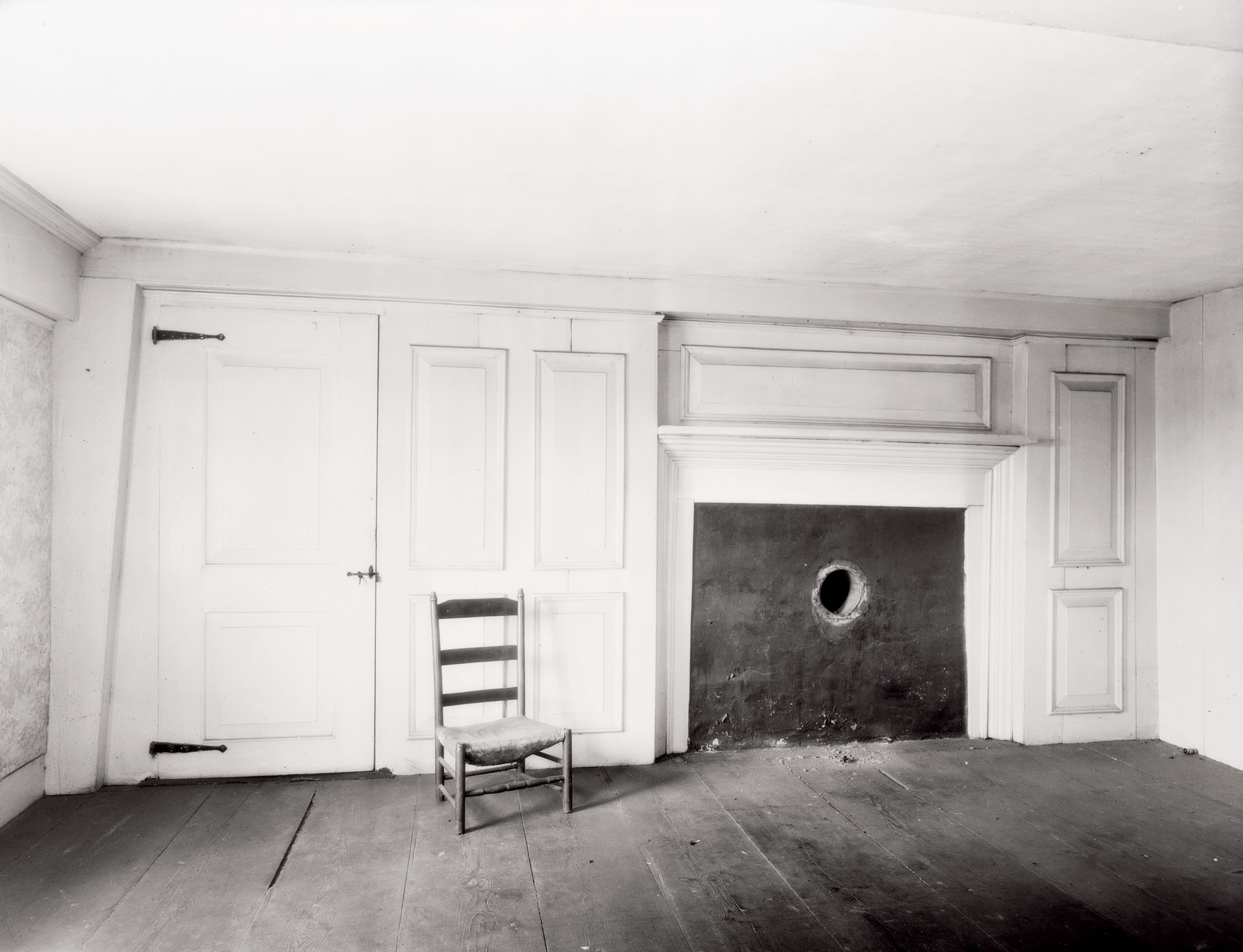
Inside, the organization of space revolves around the massive central chimney, which historically fed several working fireplaces. The hand hewn oak frame is immediately apparent: broad beams span low ceilings, their tool marks revealing the labor that shaped them. Rather than being concealed, the frame becomes the architecture, a structural language of posts, girts, and summer beams that tells the story of how the building was assembled. In the eastern rooms, early paneling and a proportioned fireplace surround introduce proto Georgian refinement, reflecting the gradual stylistic shift occurring in New England during the early eighteenth century.
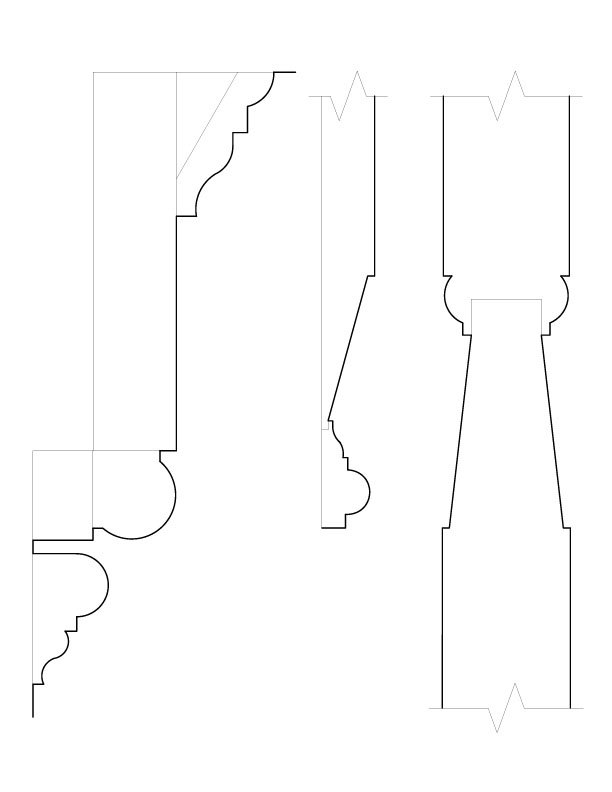
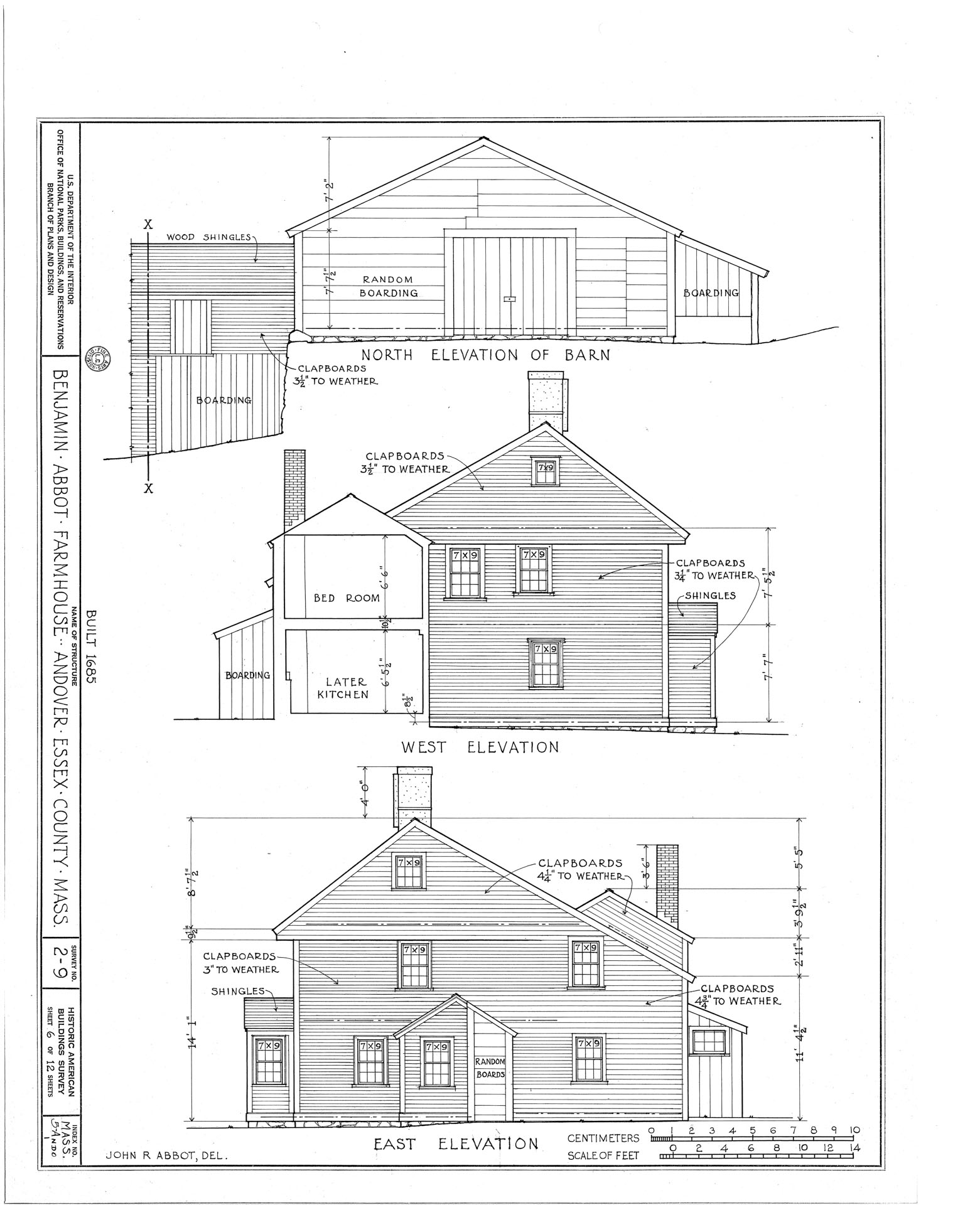
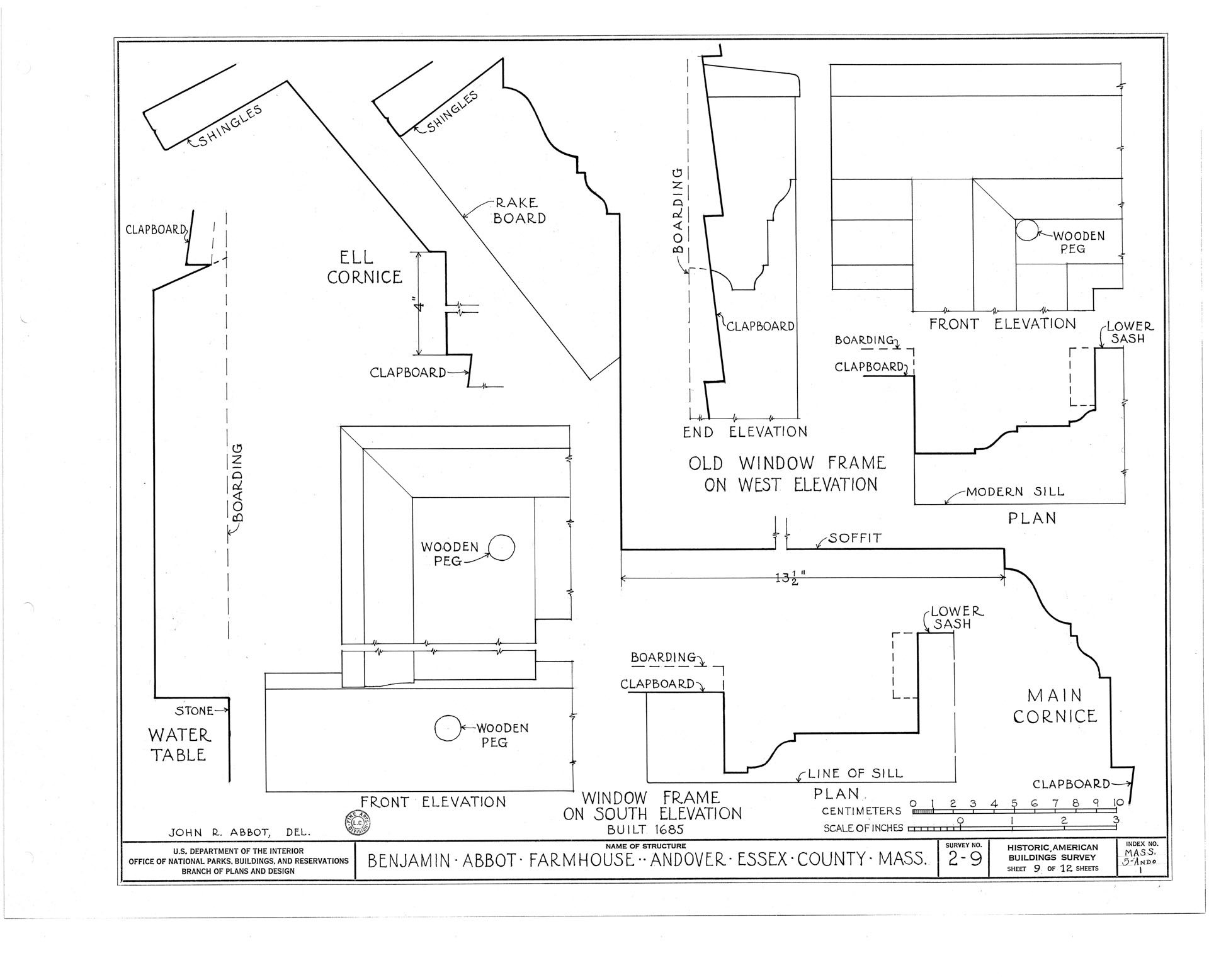
Closer inspection reveals layers of detail that show how the house evolved with its occupants. Window openings are deeply set, hinting at the thickness of the exterior walls and early methods of insulation. Beaded edges on beams and trim suggest an emerging decorative sensibility, even in a working farmhouse. The rear additions and lean to forms record the expansion of household needs over generations, while the preserved interior finishes, floors worn smooth and hearths anchored in brick and stone, retain an authenticity that makes the house not just an artifact, but a living document of early colonial building practice.