CARLISLE, PENNSYLVANIA
The Beltzhoover House in Carlisle, Pennsylvania, historically known as the Duncan Stiles House, is an early nineteenth century residence that exemplifies the refinement of Federal era domestic architecture in the Cumberland Valley. Built around 1811 to 1815 for Stephen Duncan, son of Supreme Court Justice Thomas Duncan, it was regarded in its day as the most costly private house in Carlisle, reflecting the social standing of its original owners. Its brick construction and symmetrical composition was favored by prosperous families and its prominent corner site in the historic district gives the building a composed civic presence.
The exterior follows disciplined geometry with evenly spaced openings and an organized facade that relies on balance rather than excess ornament. This massing marks the transition from the heavier Georgian tradition toward the lighter sensibility of the early nineteenth century. During the Civil War, the house sustained damage from a cannonball in the shelling of Carlisle on July 1, 1863, a reminder that it witnessed pivotal moments in national history.
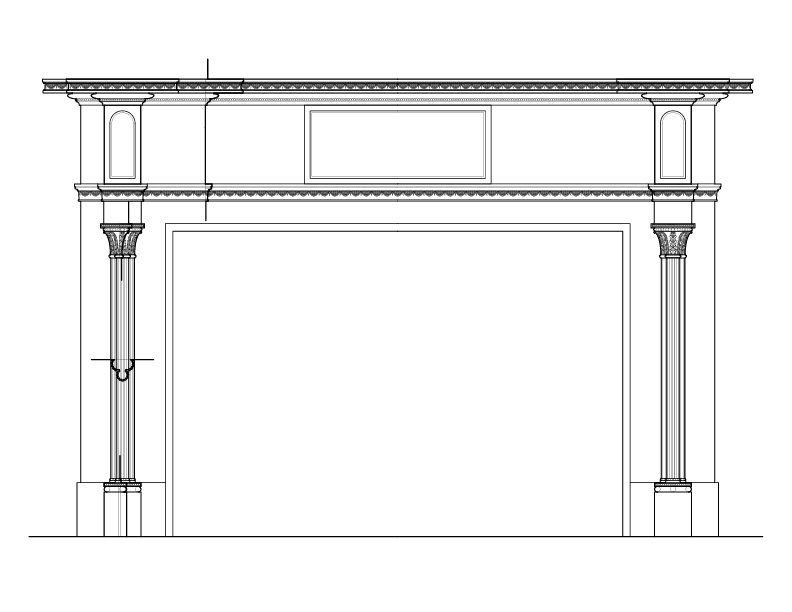
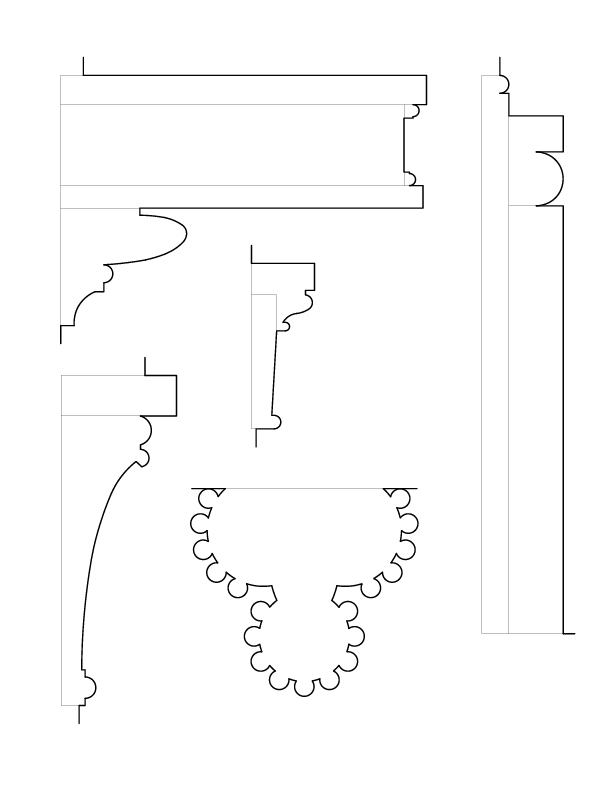
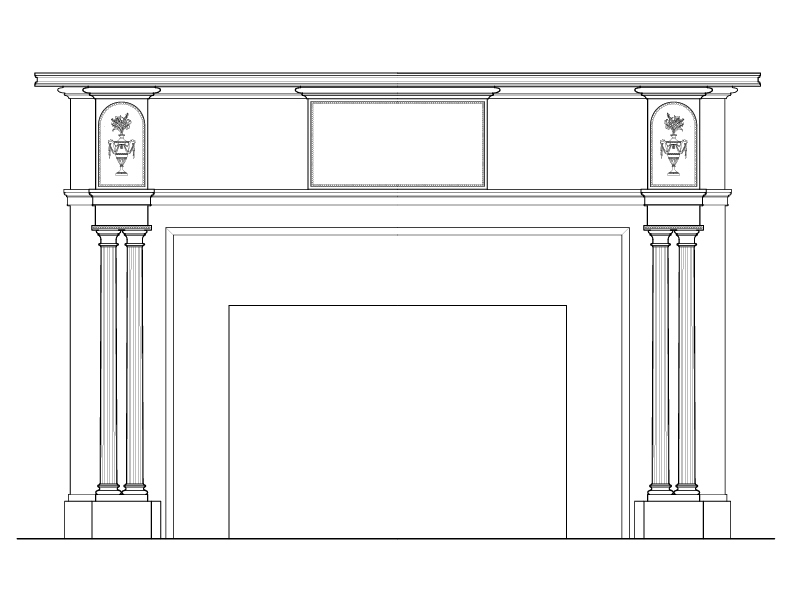
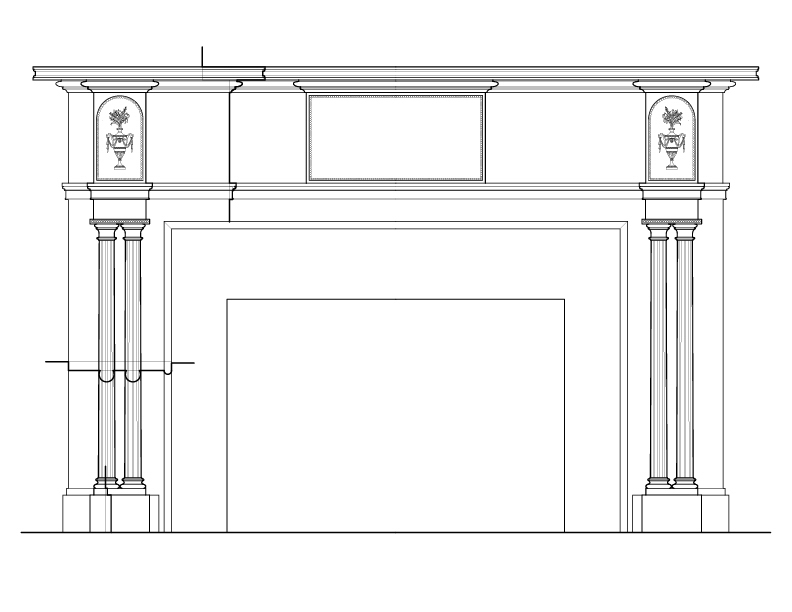
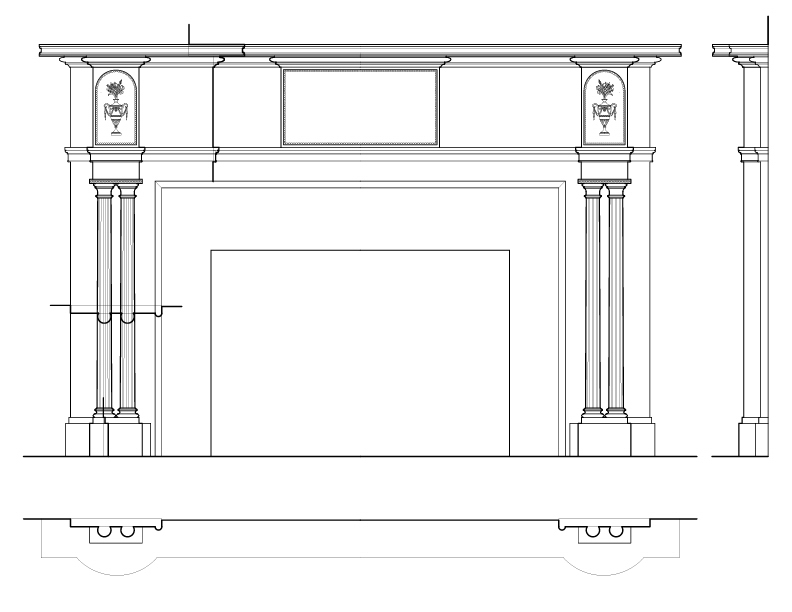
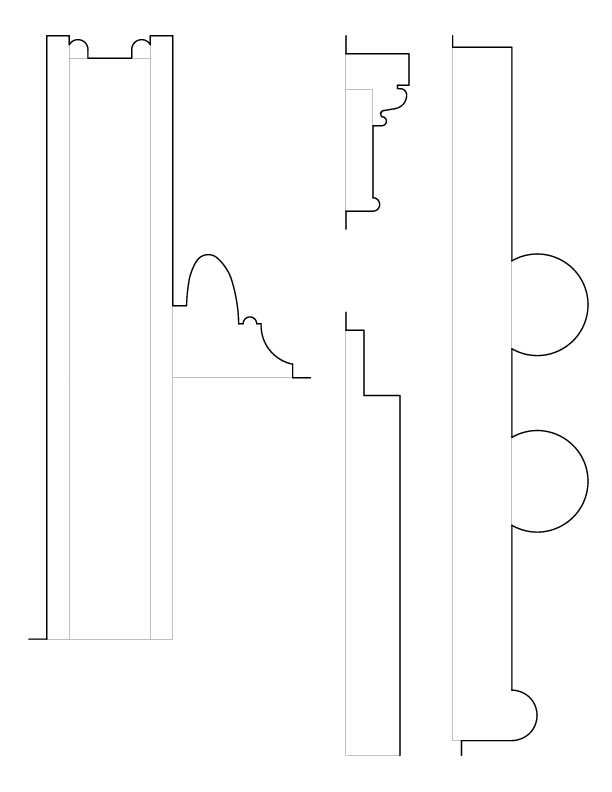
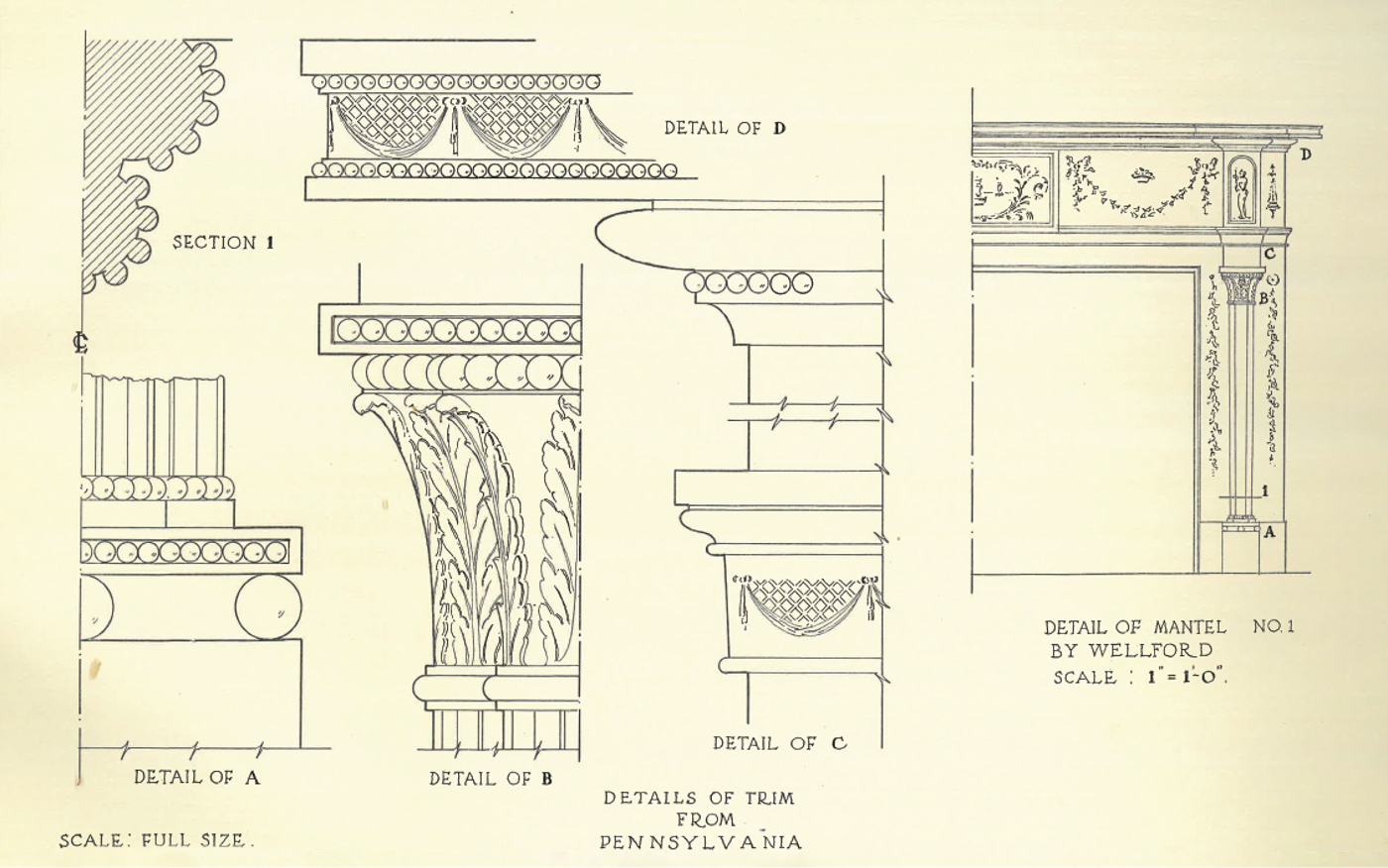
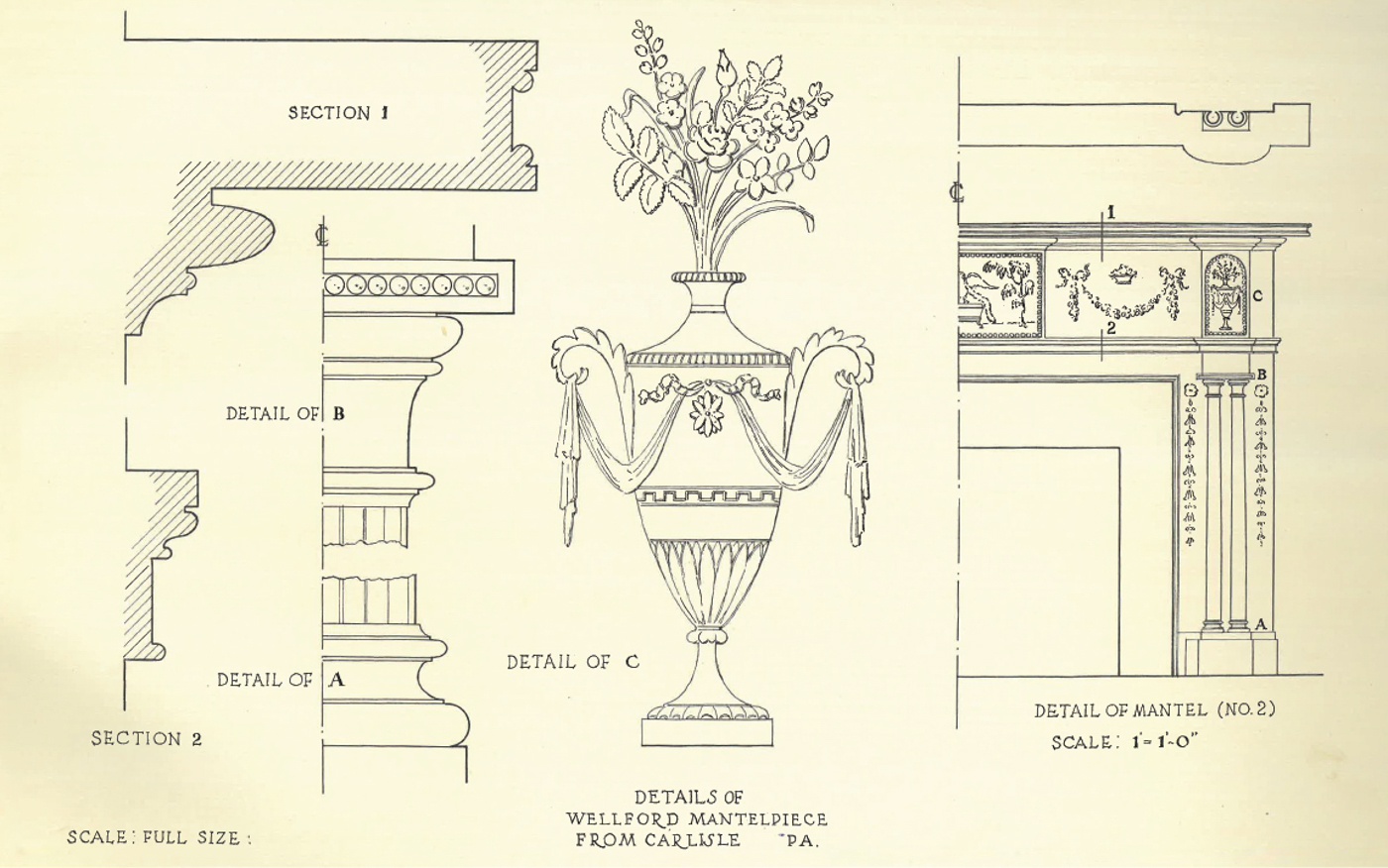
Inside, the character of the Beltzhoover House is most evident in its millwork. The mantel designs recorded in the Mouldings One gallery that are attributed to the Philadelphia craftsman Robert Wellford display beautifully modeled profiles with balanced classical composition. Now belonging in American Wing of the Metropolitan Museum of Art, these mantels demonstrate how Federal era interiors establish hierarchy and harmony. Together, the ordered exterior and the refined interior woodwork confirm the Beltzhoover House as a distinguished example of American domestic architecture shaped by classical precedent and accomplished craftsmanship.