2938 RICHMOND HIGHWAY, STAFFORD, STAFFORD COUNTY, VIRGINIA
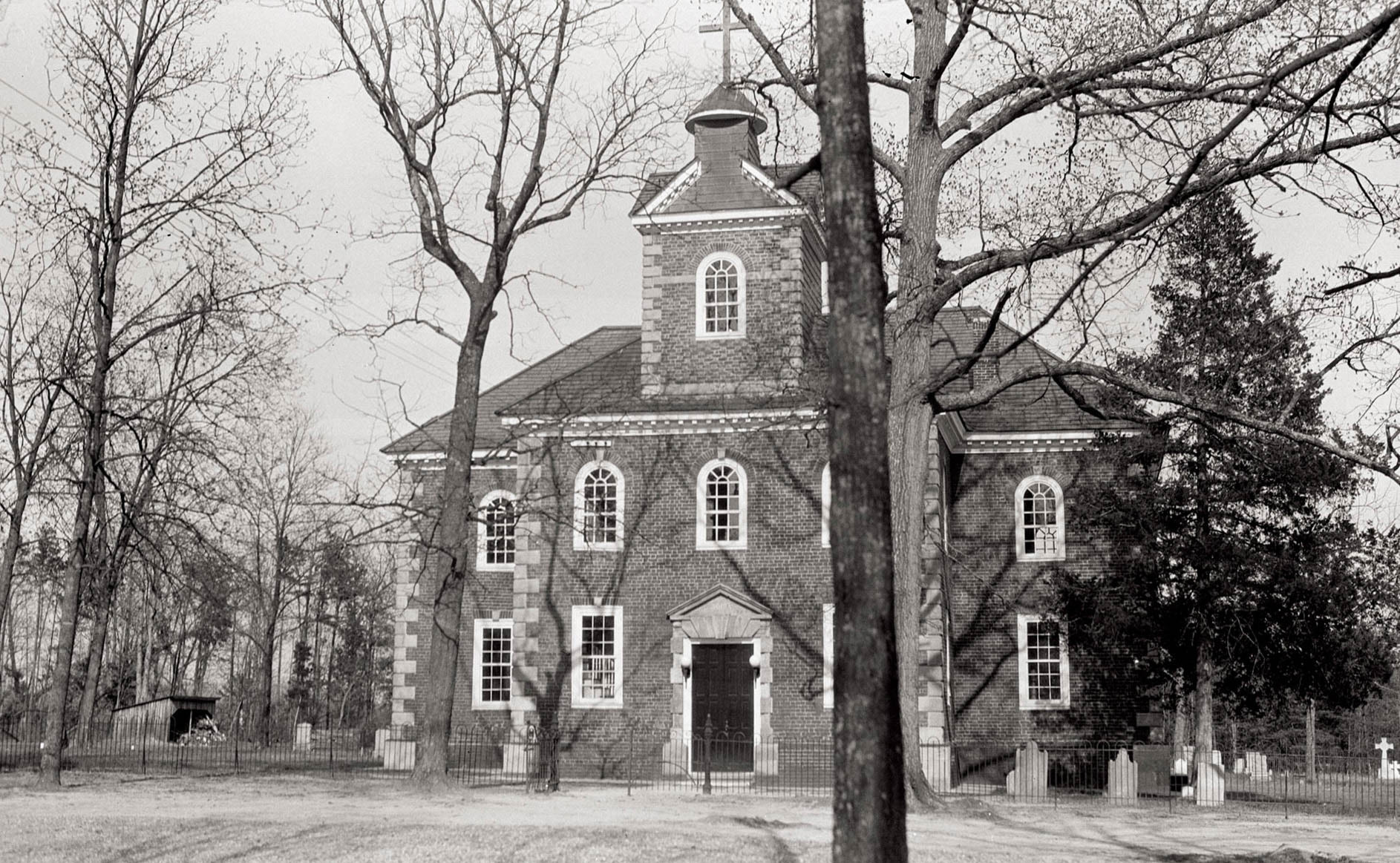
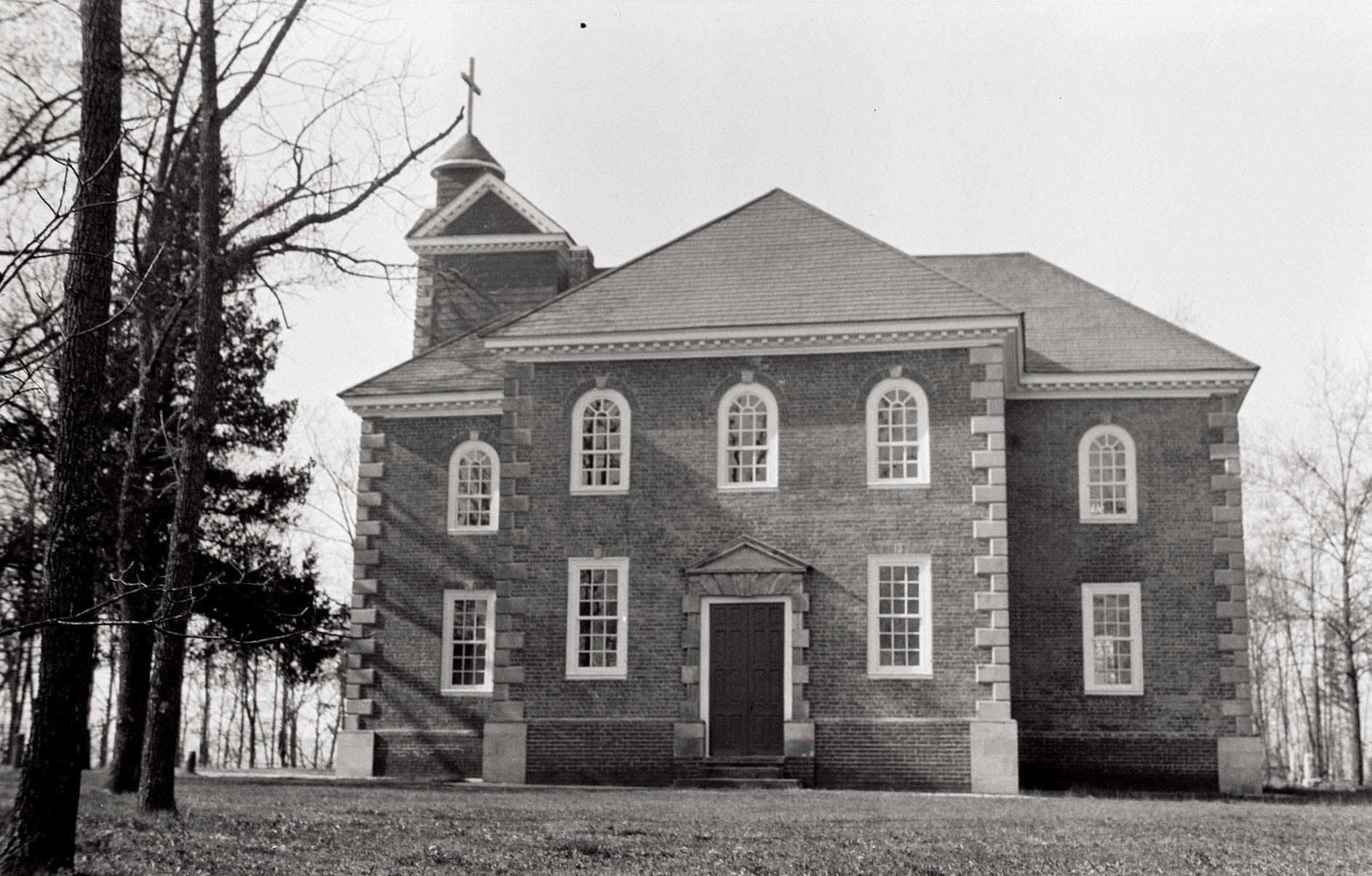
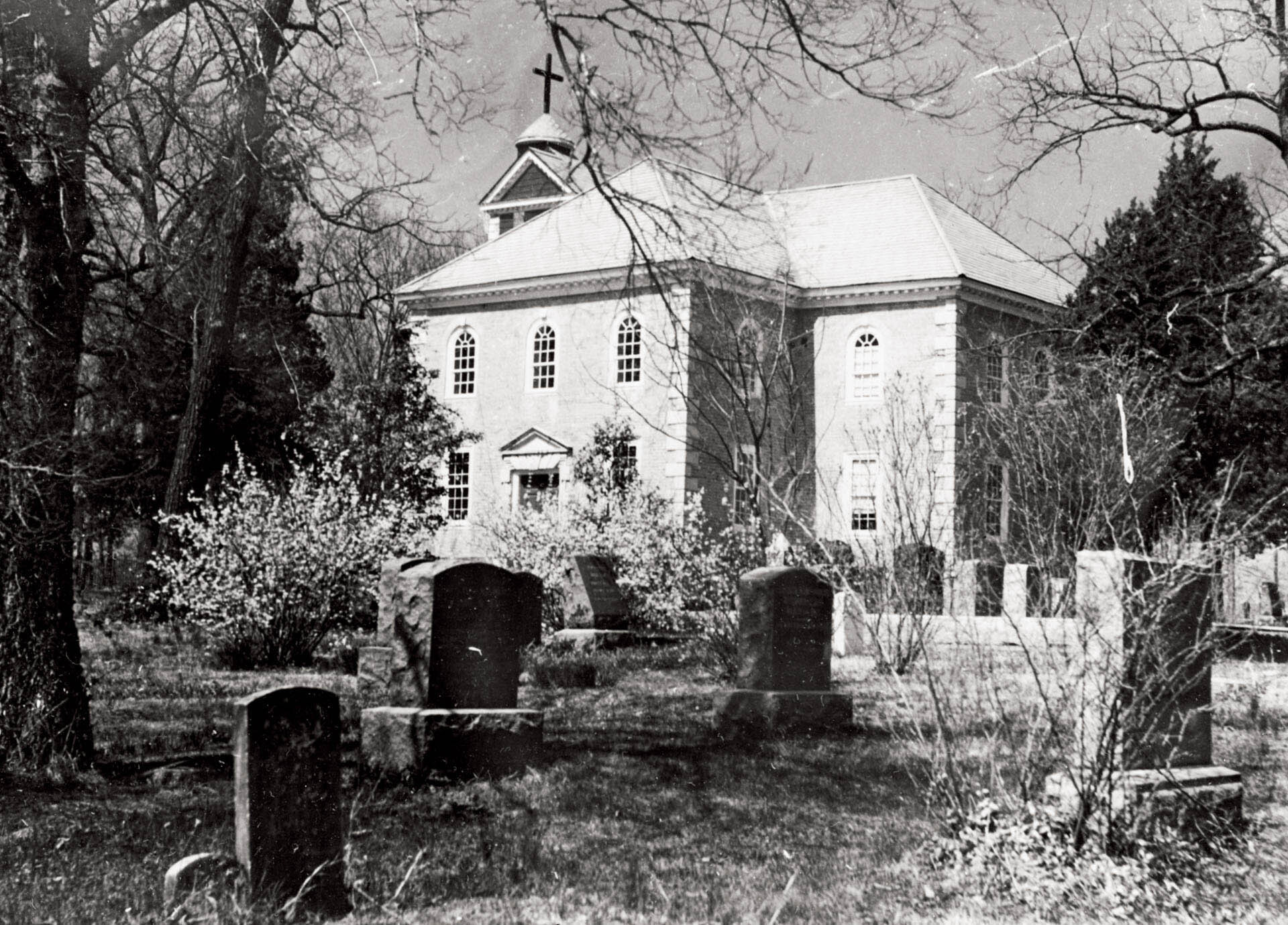
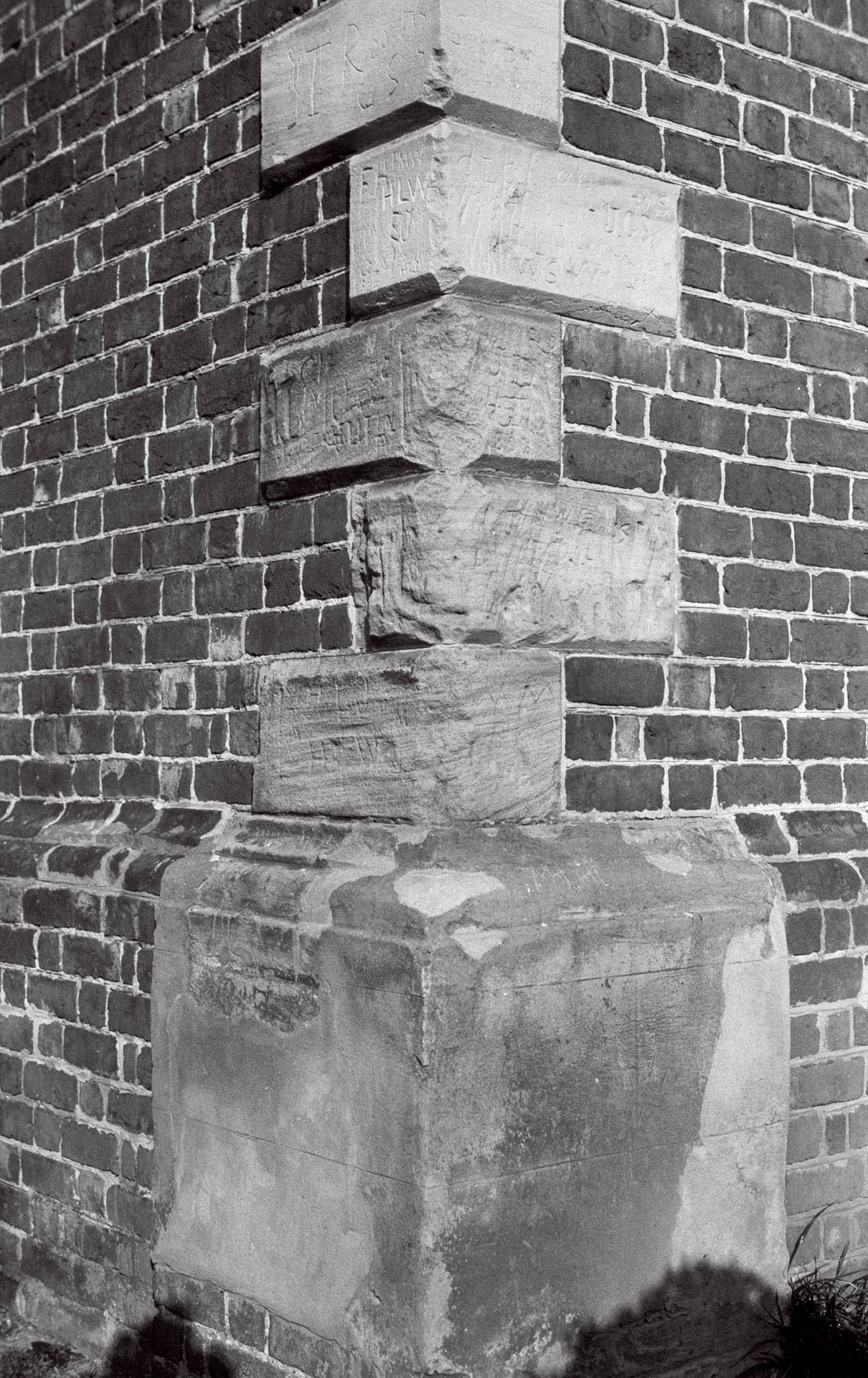
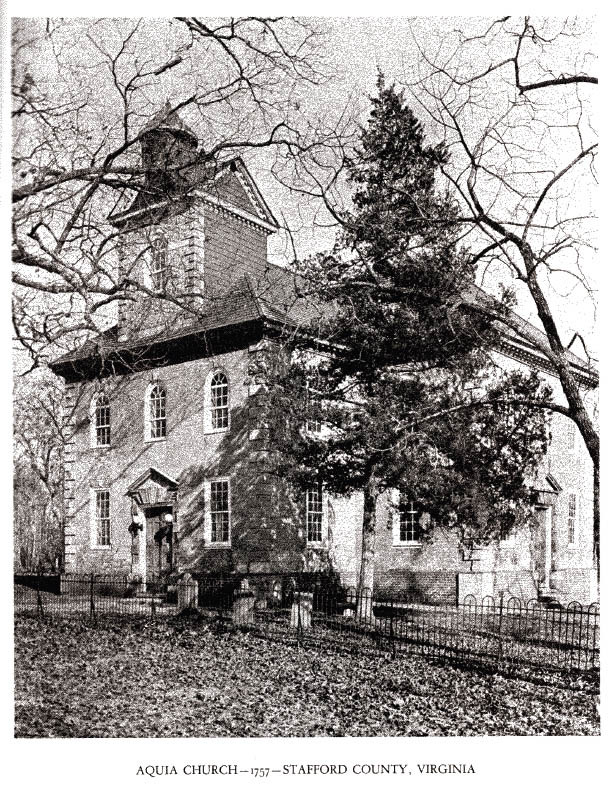
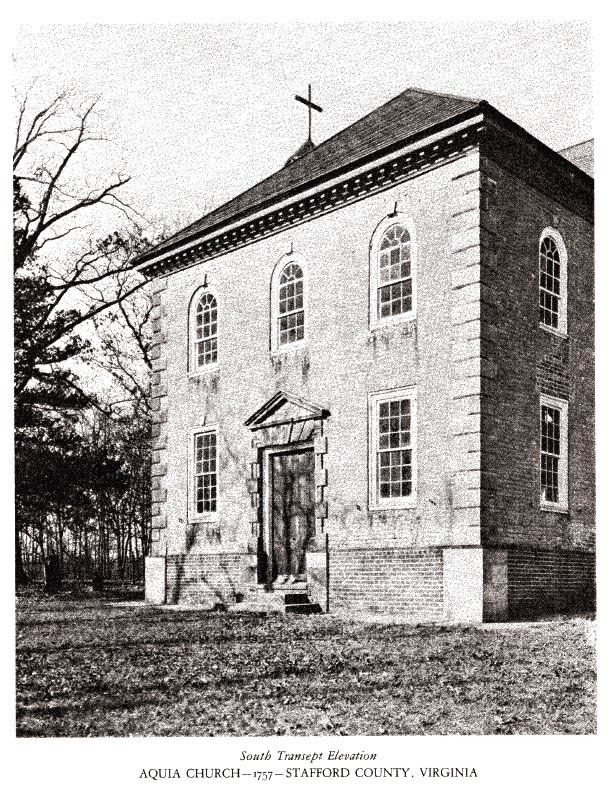
Aquia Church is one of the most distinguished surviving examples of mid eighteenth century Georgian architecture in colonial America. Completed in 1757 for the Overwharton Parish, whose origins reach back to the seventeenth century, the building reflects the classical discipline and material refinement that characterized the finest ecclesiastical construction of the period. Its walls of brick laid in Flemish bond, trimmed with Aquia Creek sandstone, establish a powerful yet composed presence, while the cruciform plan introduces a formal spatial order that was both ambitious and uncommon in the colonies.
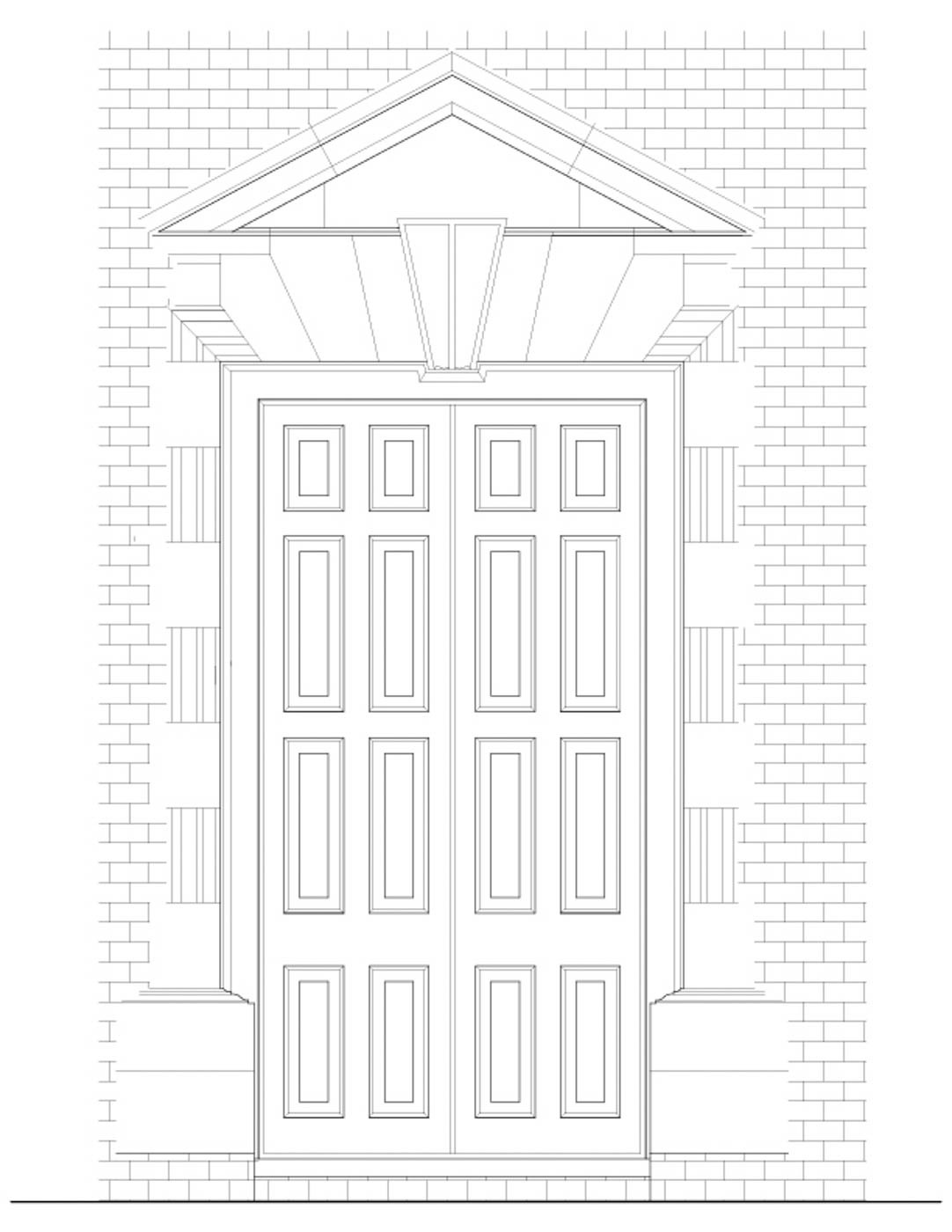
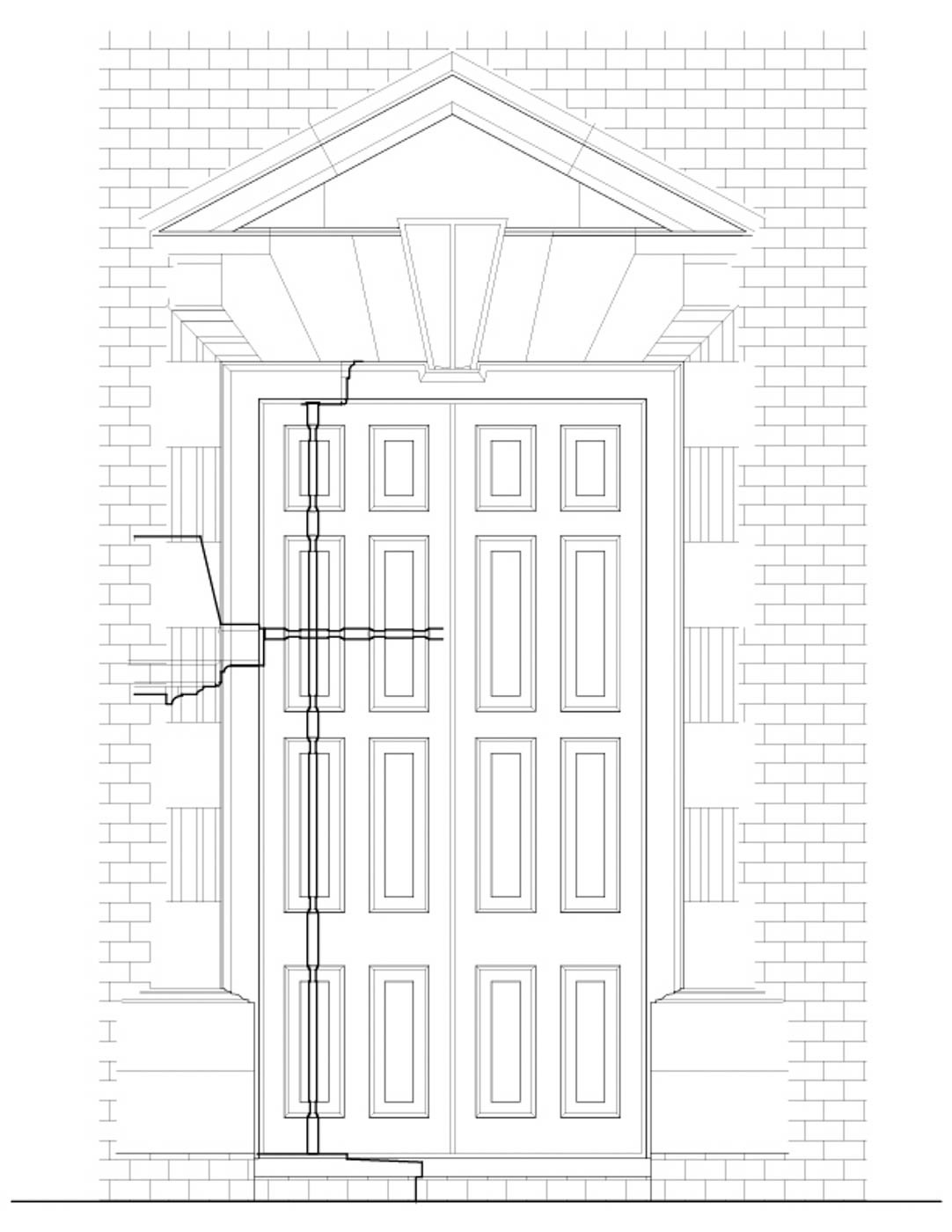
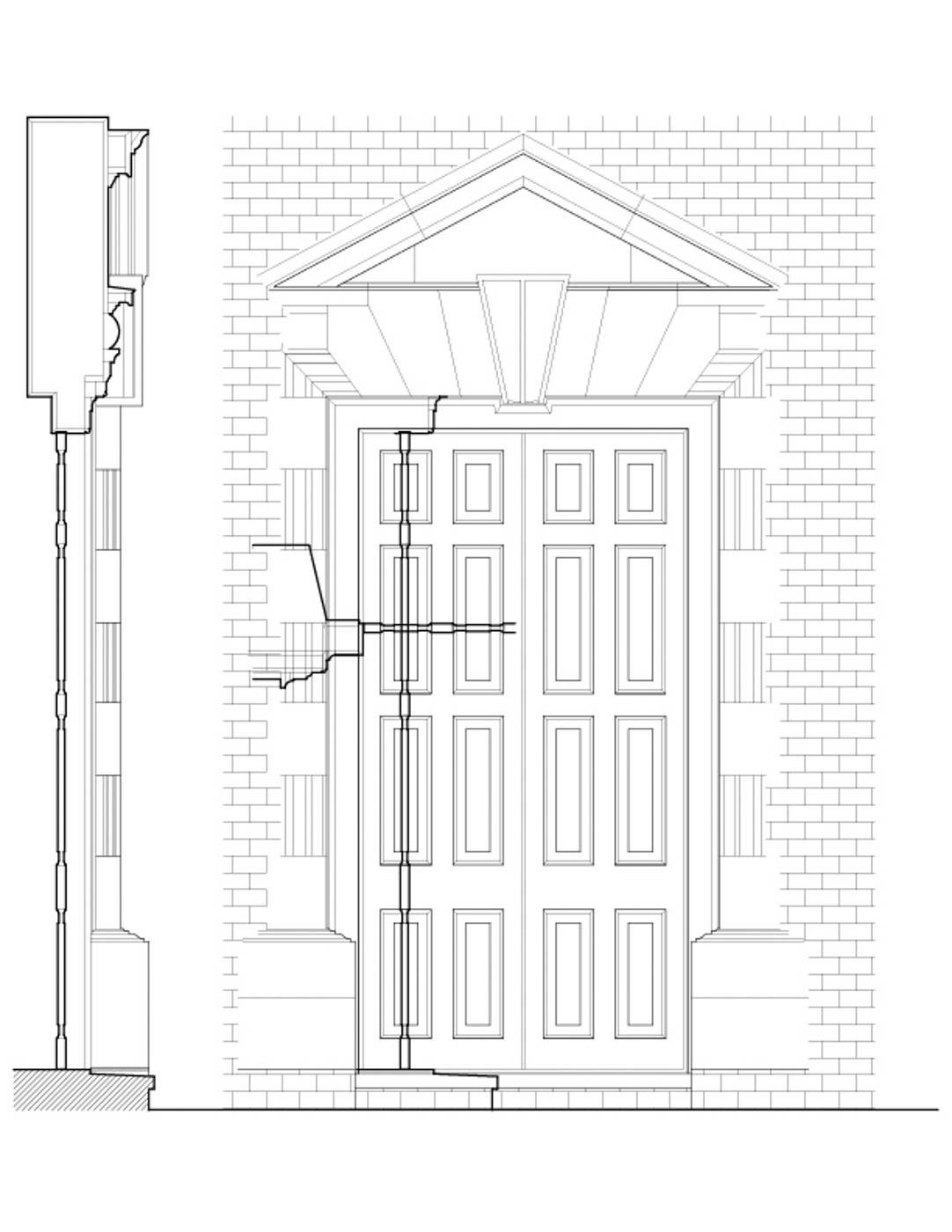
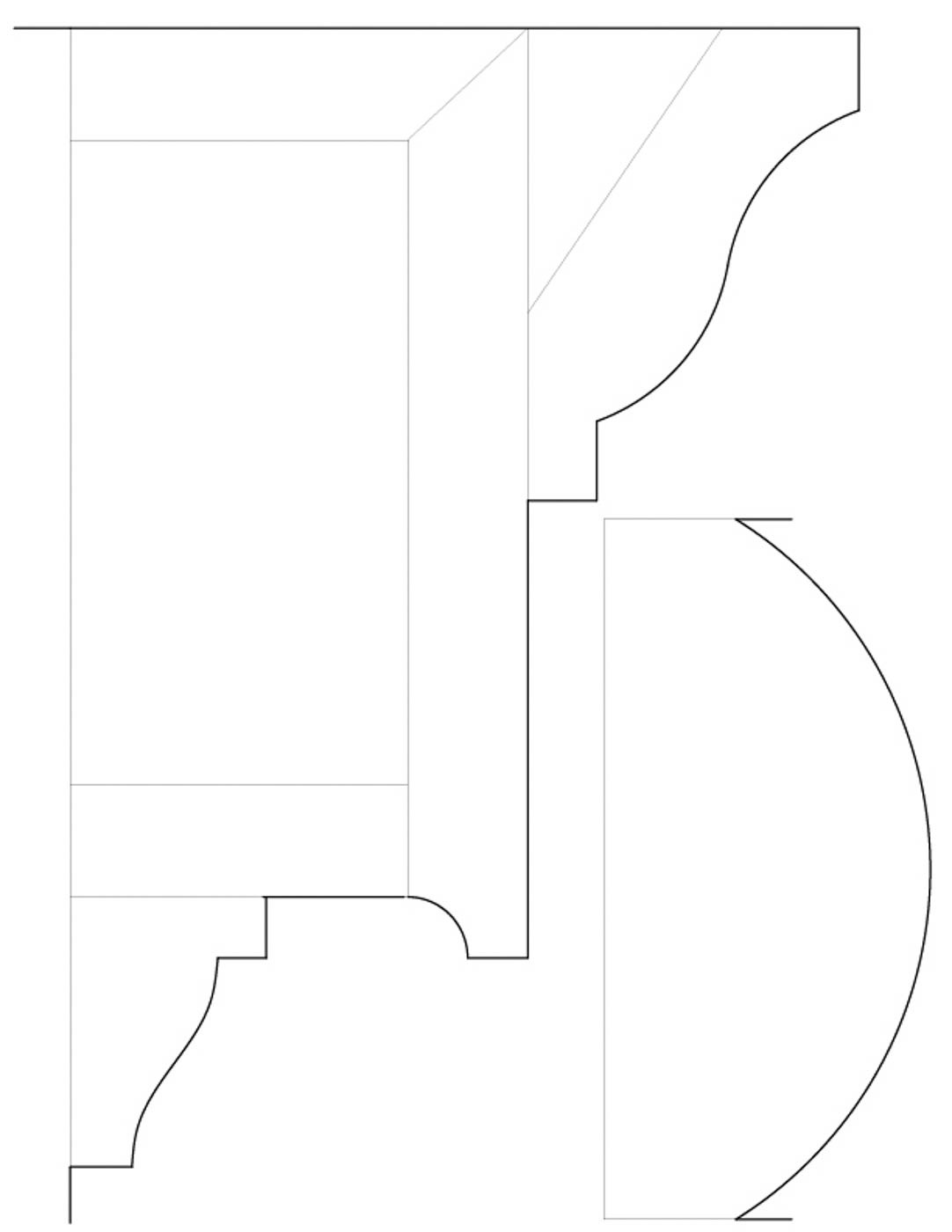
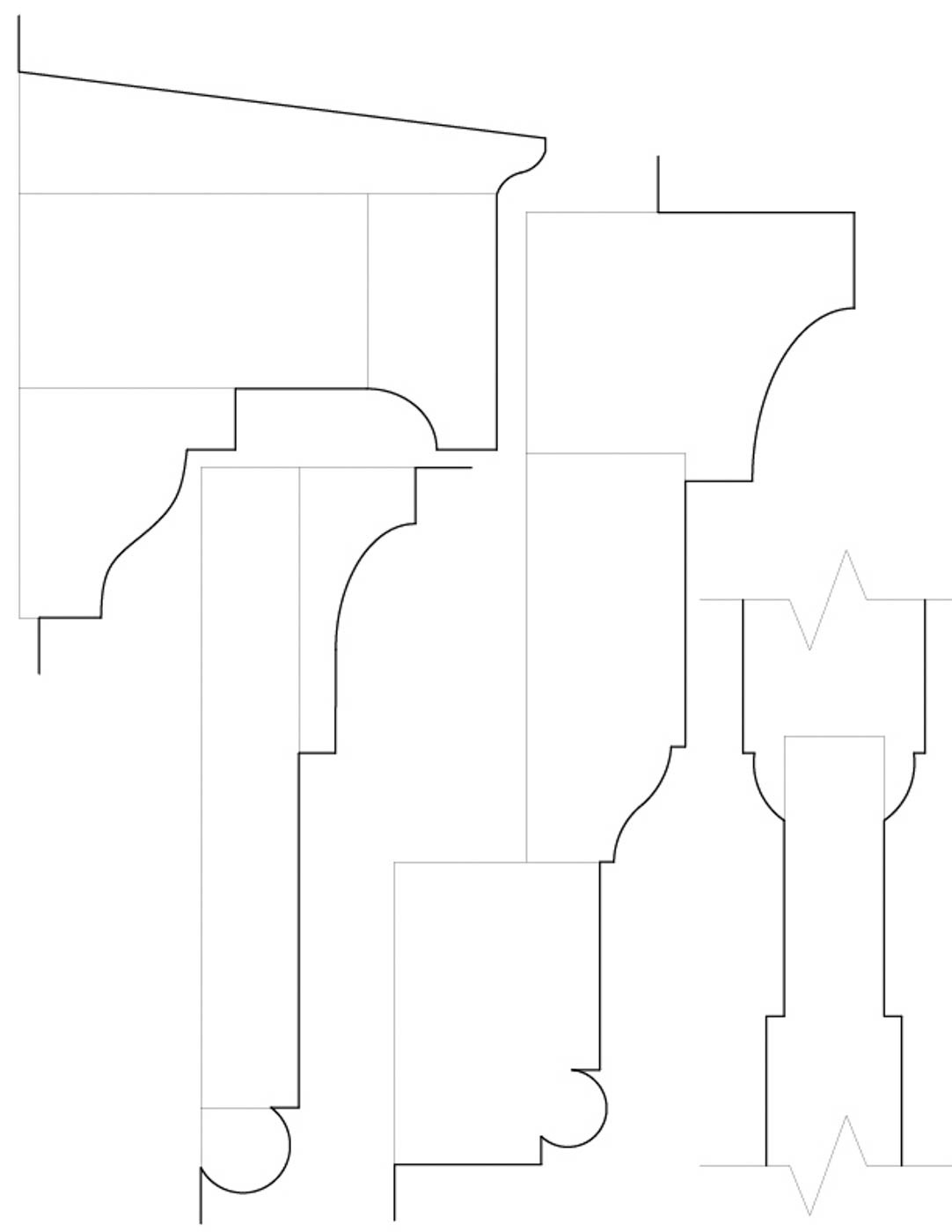
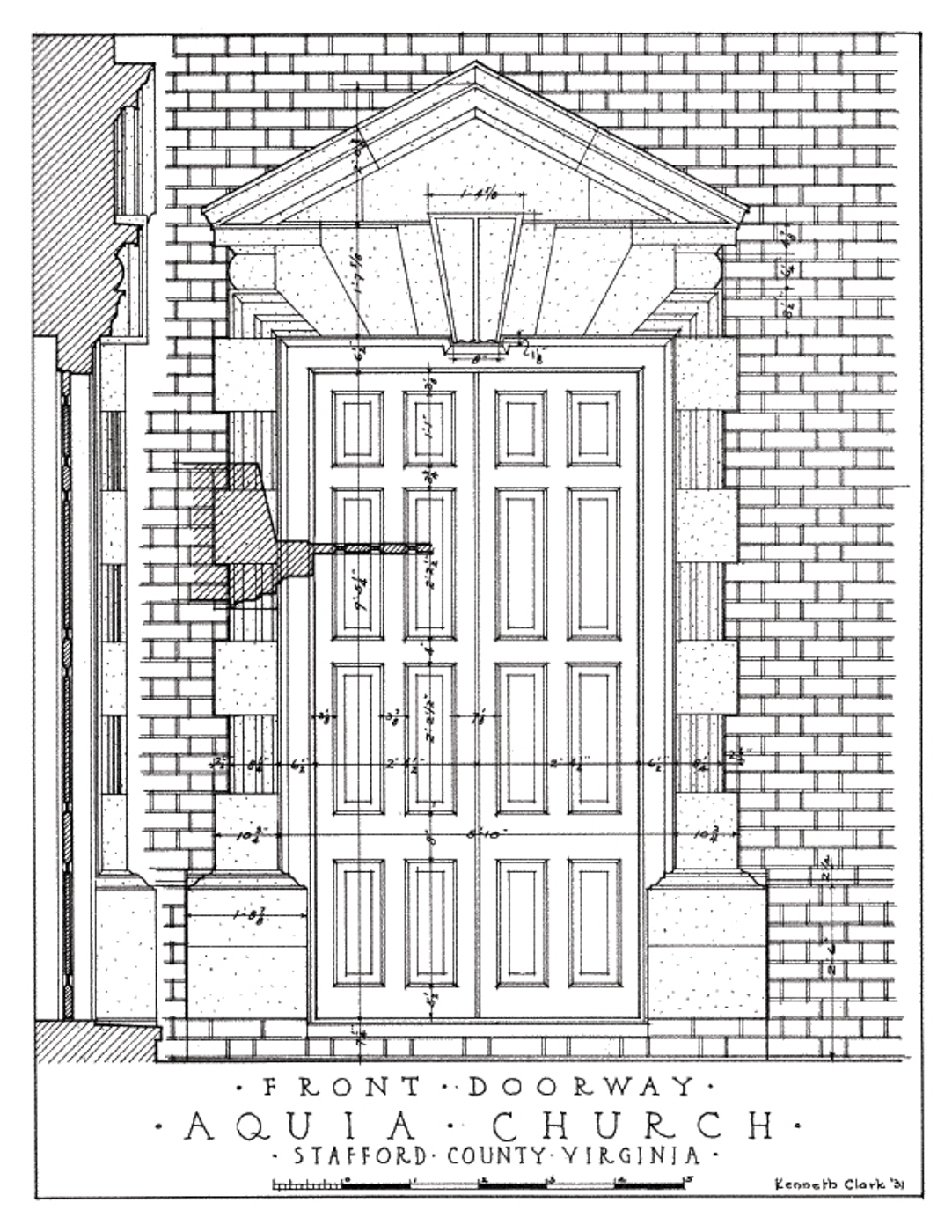
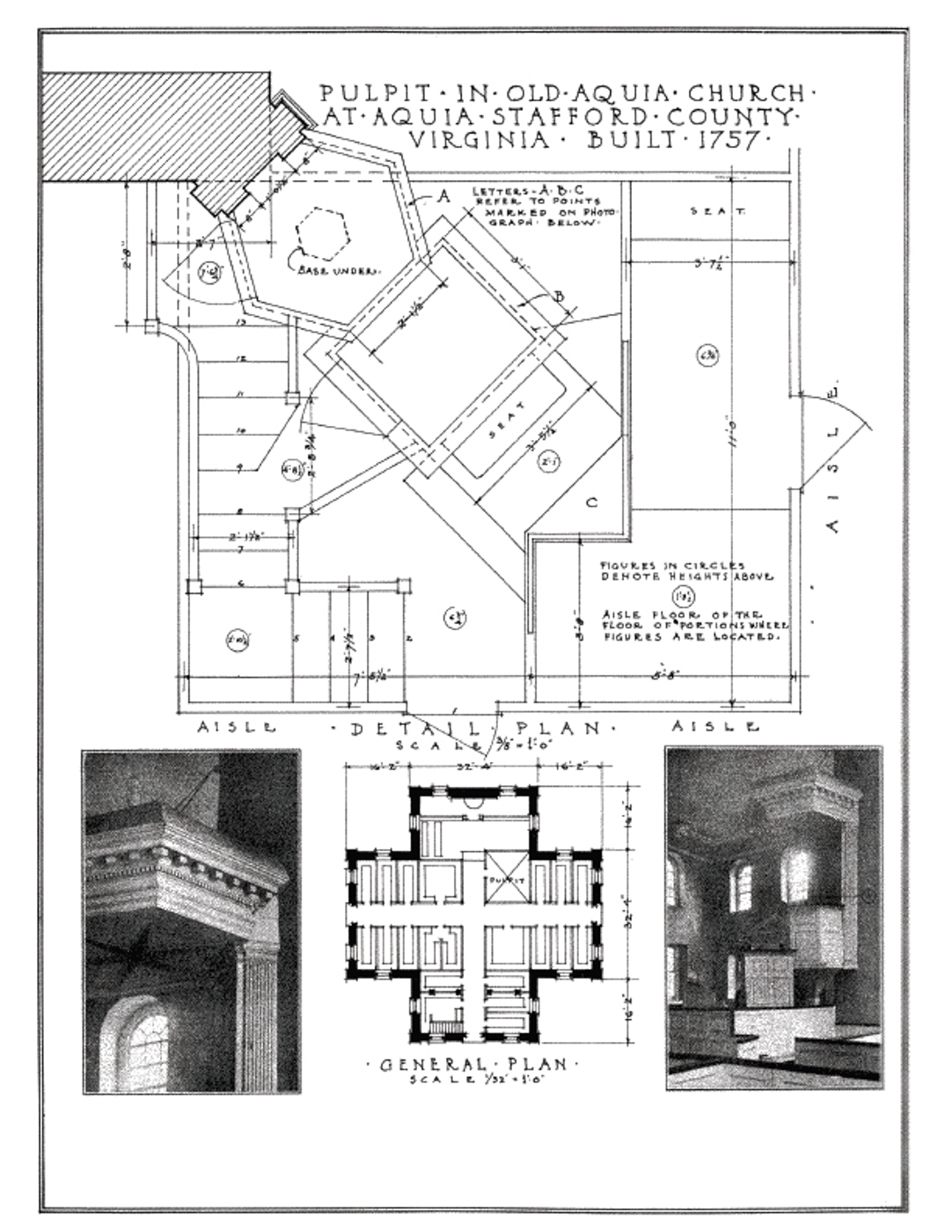
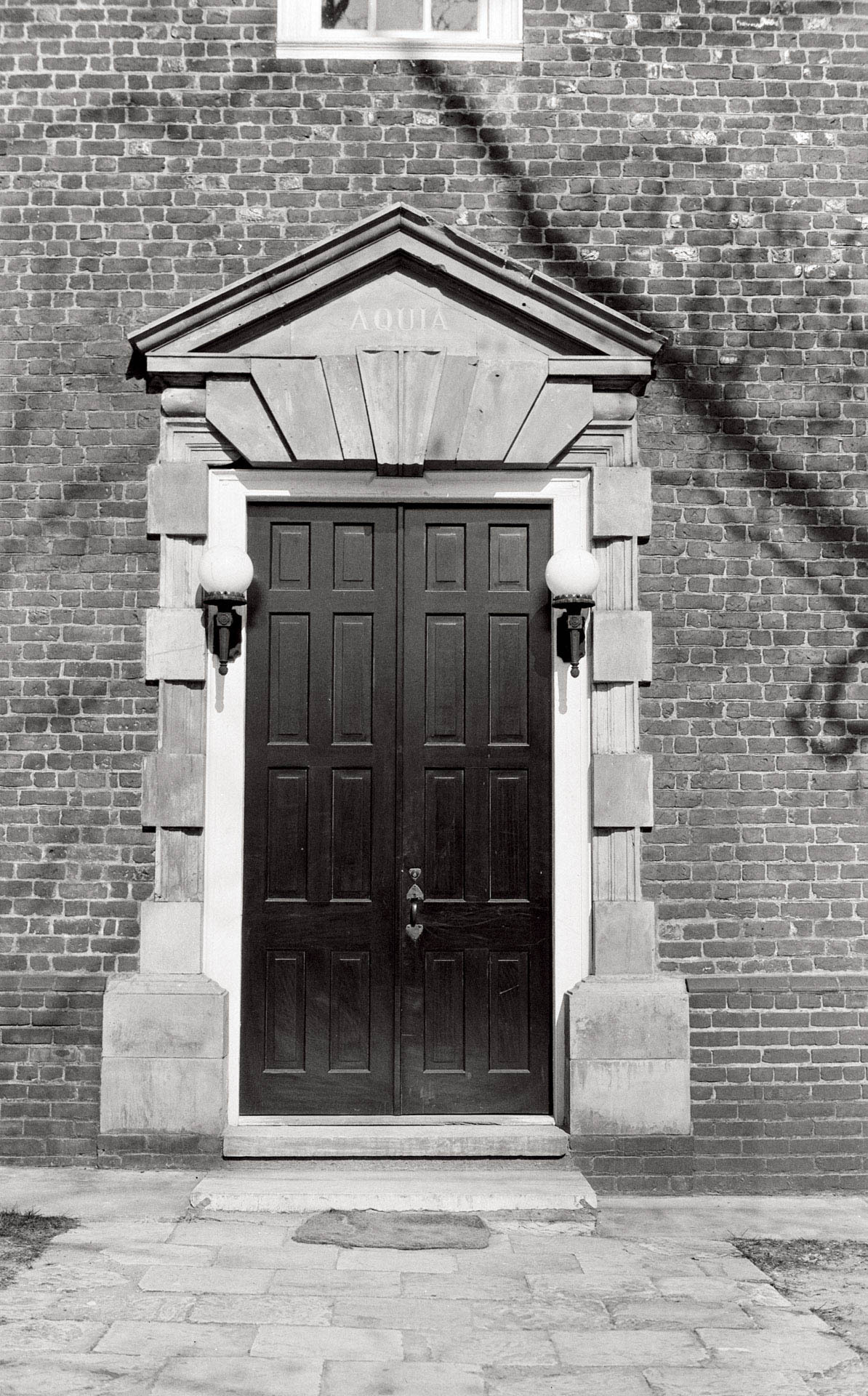
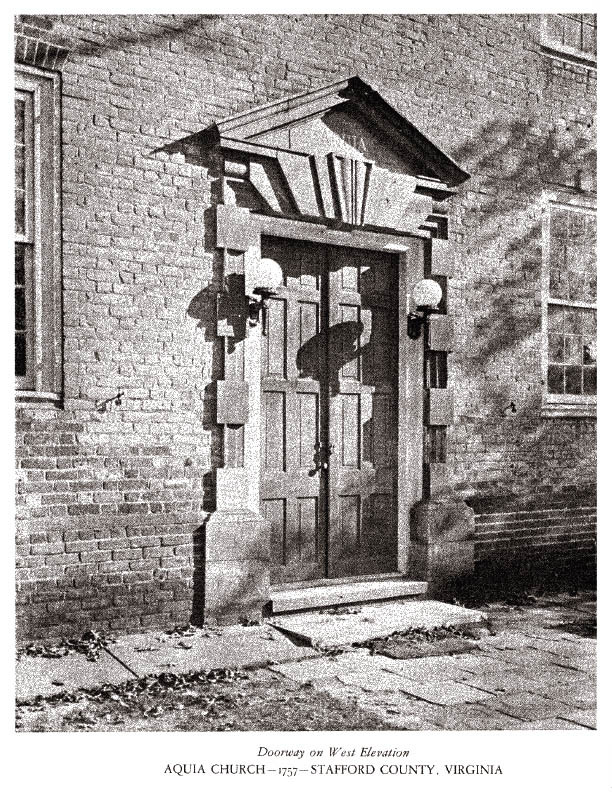
The exterior composition, with its stone quoins, rusticated entrances, and commanding tower, displays the influence of English pattern books and the translation of metropolitan ideals into the craft traditions of Virginia. Within, the church preserves an interior of exceptional architectural coherence, where structure, ornament, and liturgical function are woven into a unified language. The three tiered pulpit and pedimented Ionic altarpiece articulate the hierarchy of its sacred space, while plastered walls, timber framing, and moulded cornices are established around the crossing and transepts.
Aquia Church stands today as a rare and remarkably intact expression of colonial craftsmanship. Designated a National Historic Landmark, it continues to give voice to the aspirations of its builders, who sought to give physical form to faith. In its masonry, timber, and moulded detail, the church offers a record of how classical design principles were adapted to the skills of the Virginia Tidewater, producing a building of lasting architectural authority and quiet grandeur.